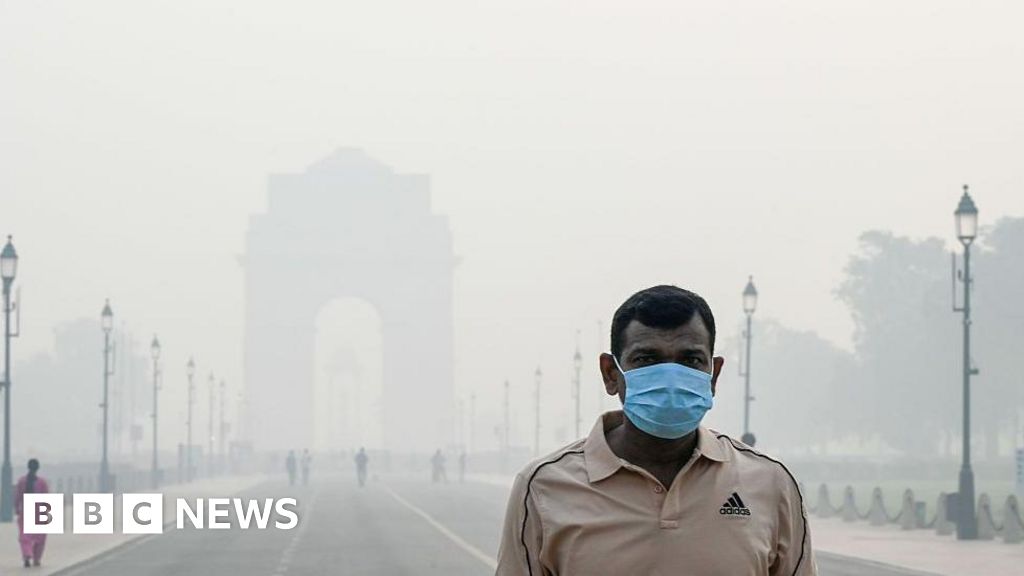
Delhi is grappling with its worst post-Diwali air quality in four years, a recurring crisis attributed to firecrackers, vehicular emissions, and stubble burning, despite conflicting data on the latter's contribution. This annual environmental challenge, compounded by political gridlock and the economic impracticality of alternatives for farmers, presents a systemic risk for the region, potentially impacting workforce productivity, healthcare expenditures, and the broader investment climate in a major Indian economic hub due to persistent governance failures in addressing the issue.
Delhi is currently experiencing its worst post-Diwali air quality in four years, with air quality hovering between "poor" and "very poor" categories. This annual crisis stems from a confluence of factors including firecrackers, vehicular emissions, and crop residue burning, exacerbated by colder temperatures and low wind speeds trapping pollutants. The recent relaxation of a five-year ban on firecrackers, permitting "green crackers," proved ineffective due to widespread non-compliance and the sale of more polluting alternatives.
Conflicting data surrounds stubble burning's contribution this year; one report suggests a 77% decline due to floods, while official Punjab data indicates a threefold increase in incidents over the past 10 days. Despite past efforts showing some reduction in farm fires, stubble burning persists as the most affordable method for clearing fields, highlighting a critical economic challenge for farmers.
This recurring environmental degradation poses significant public health risks, leading to acute symptoms and long-term health issues for residents. The situation is further complicated by an annual political blame game between state governments, demonstrating a systemic failure to implement sustainable, long-term solutions. This persistent governance deficit and environmental challenge could have broader implications for workforce productivity and healthcare expenditures in a key economic region.
AI-powered research, real-time alerts, and portfolio analytics for institutional investors.
Overall Sentiment
strongly negative
Sentiment Score
-0.75
Ticker Sentiment
