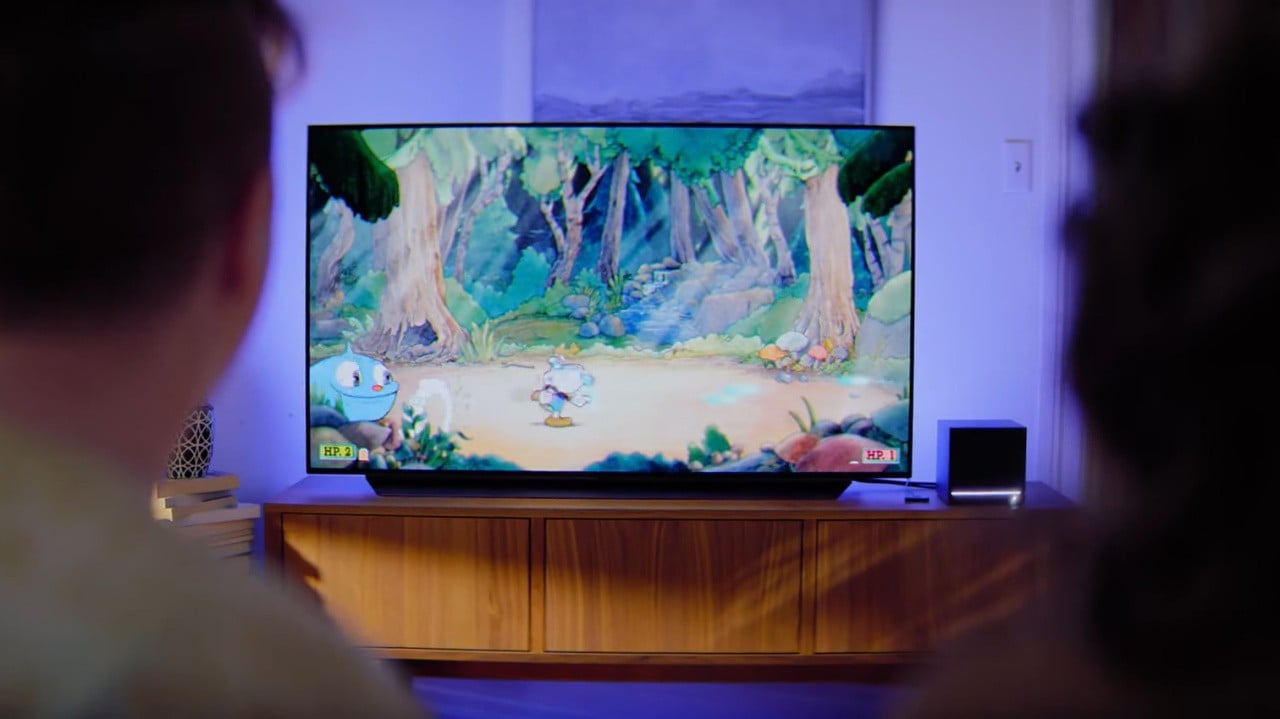
Valve’s Steam Machine is priced at $1,049, well above the earlier roughly $700 positioning implied by component sourcing, with management saying cheaper pricing would be possible if RAM and SSD costs normalize. Executives said they are not optimistic that component prices will fall soon, citing persistently high memory costs and broader AI-driven demand pressures. The piece suggests limited near-term downside to component pricing and only a modest chance of Steam Machine affordability improving over its product life.
The immediate market read is not about one console SKU; it is about a tightening PC-memory regime that leaks into every device category with configurable BOM exposure. The first-order winners are the memory vendors and the foundry-adjacent capex cycle, but the second-order effect is a forced repricing of consumer hardware substitution: when a fixed-spec living-room PC lands above premium-console territory, it compresses the addressable market for “good enough” gaming boxes and pushes budget-conscious buyers toward software libraries, cloud, or waiting. That delays unit growth for the entire mid-market hardware stack, especially in regions where $700+ discretionary electronics already face demand elasticity.
For Sony and Microsoft, this is paradoxically supportive near term and dangerous medium term. Near term, higher component costs reduce the odds of aggressive console price cuts or bundle upgrades, which protects margins and removes a potential share attack from Valve’s ecosystem; medium term, if the price gap between console and entry PC stays wide, the platform that wins is the one with the cheapest content acquisition funnel, not the best specs. That tilts the competitive balance toward subscription and first-party ecosystems rather than hardware ambition, and it raises the strategic value of cross-platform distribution while weakening the narrative around next-gen refresh velocity.
The main catalyst to watch is memory lead-time normalization; if AI-driven DRAM/SSD demand stays locked for multiple quarters, this becomes a 2026-2027 issue, not a temporary pricing blip. The contrarian angle is that the market may be overestimating how quickly consumers abandon premium hardware: gaming demand has historically been more resilient than commentary suggests, and the more likely adjustment is a slower upgrade cycle rather than a volume collapse. That means the bearish thesis on console names is probably too aggressive at the stock level unless pricing power breaks or software engagement rolls over alongside hardware affordability.
AI-powered research, real-time alerts, and portfolio analytics for institutional investors.
Request DemoOverall Sentiment
mildly negative
Sentiment Score
-0.15
Ticker Sentiment
