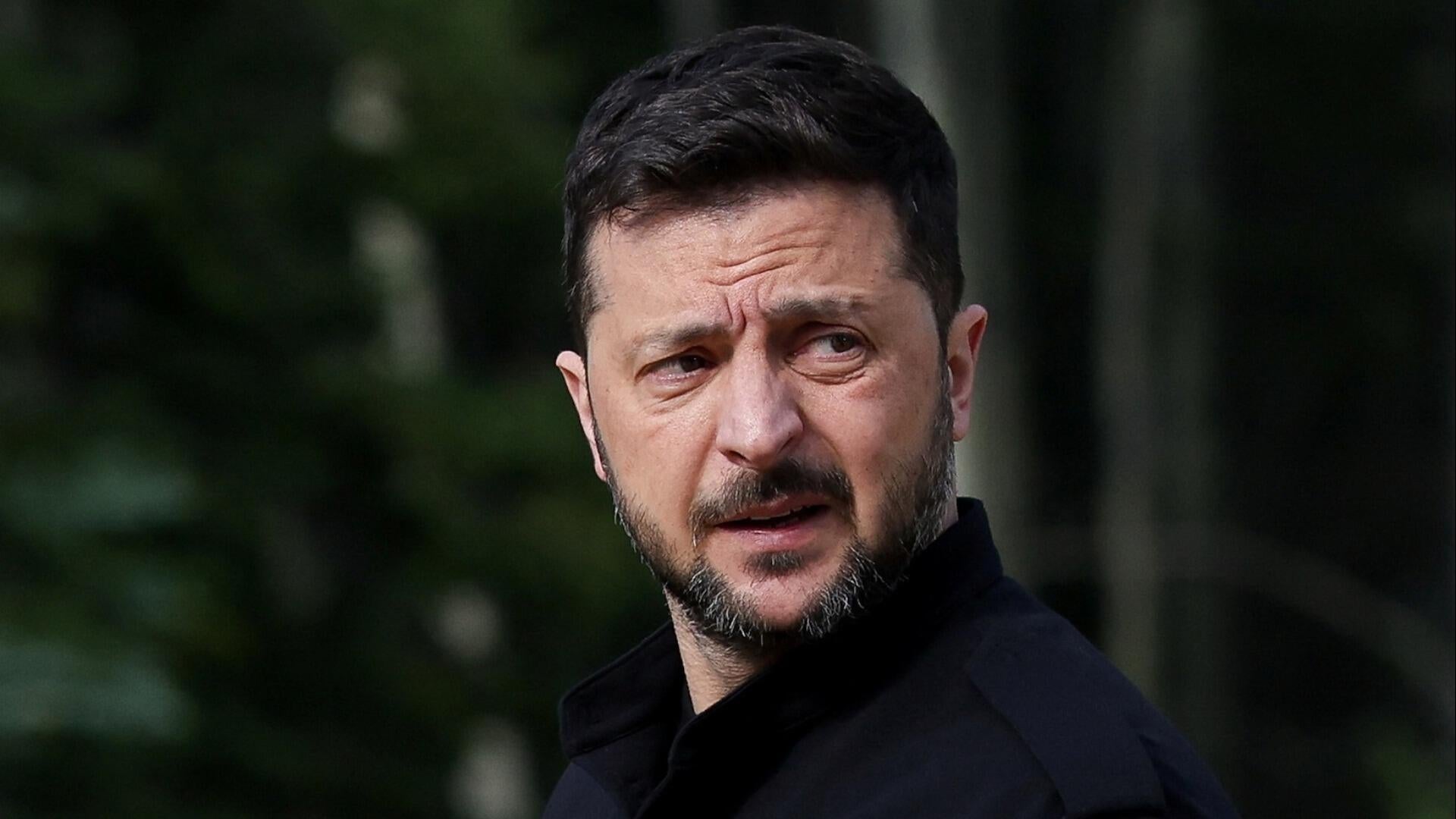
Overnight Russian drone and missile attacks on Kyiv killed at least five and injured others, causing significant damage to residential infrastructure and marking a continued escalation of the conflict in Ukraine. This latest assault follows a prior deadly attack last week. Concurrently, broader geopolitical tensions are intensifying, with Russia strongly condemning recent U.S. strikes on Iran, signaling potential shifts in international alignments and heightened global instability.
Recent Russian attacks on Ukraine's capital signal a sustained and intense phase of the conflict, now in its fourth year, characterized by direct strikes on civilian infrastructure. The killing of at least five people in Kyiv follows a major bombardment last week that resulted in 28 fatalities, indicating a strategic focus on pressuring civilian centers. This escalation is occurring within a deteriorating global geopolitical landscape. The U.S. strikes on Iranian nuclear sites, and Russia's subsequent strong condemnation, introduce a significant new dimension of friction between global powers. The Kremlin's statement, coupled with recent high-level U.S.-Russia communications that prioritized the Iran issue over Ukraine, suggests a realignment of diplomatic priorities and a deepening alliance between Moscow and Tehran. This convergence of conflicts heightens systemic risk, as tensions in the Middle East are now directly intertwined with the war in Europe, complicating diplomatic resolutions and increasing the potential for broader instability.
AI-powered research, real-time alerts, and portfolio analytics for institutional investors.
Request DemoOverall Sentiment
neutral
Sentiment Score
0.00
