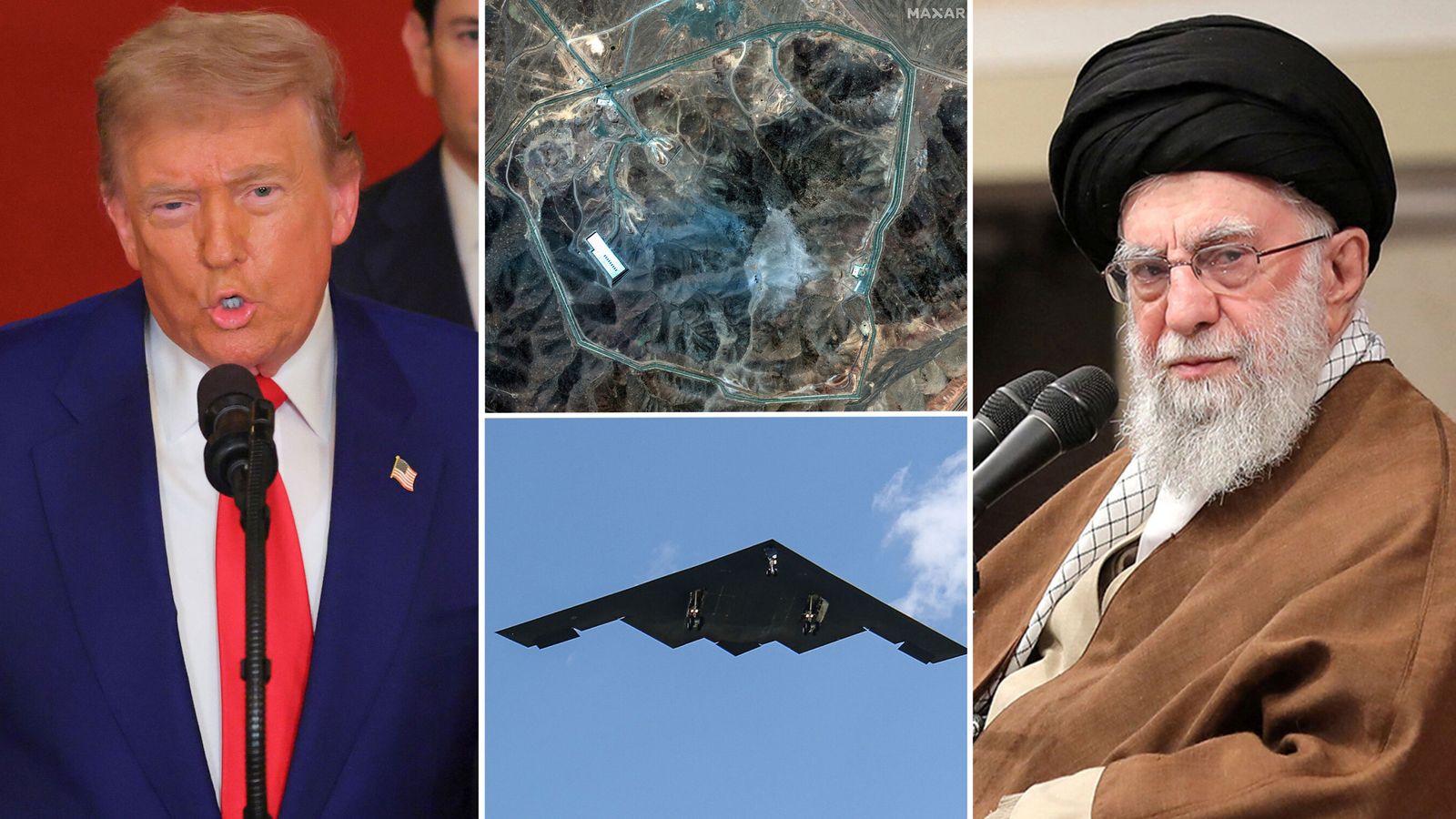
Escalating Middle East tensions are marked by Israel and the US targeting Iranian nuclear facilities and government sites, prompting Iranian retaliatory strikes on Israeli cities. This heightened conflict has immediately impacted regional operations, with major airlines, including Air France and Finnair, suspending flights across the Middle East, and China evacuating thousands of citizens. While Iran seeks Russian aid and the UK emphasizes diplomacy, the strikes have inflicted significant damage on Iran's nuclear program, raising critical questions about its future trajectory and the potential for sustained regional instability.
A significant military escalation is underway in the Middle East, characterized by direct strikes from Israel and the US on strategic Iranian assets, including the Fordow nuclear site and government facilities in Tehran. Iran has retaliated with strikes on Israeli cities, indicating a shift from proxy warfare to direct state-on-state conflict. The immediate economic repercussions are evident in the transportation sector, with Air France suspending flights to Tel Aviv, Dubai, and Riyadh, and Finnair cancelling services to Doha through late June and mid-July. This disruption, coupled with a 'shelter in place' advisory from the US embassy in Qatar and the evacuation of over 3,000 Chinese citizens from Iran, signals a rapidly deteriorating security environment with broadening regional risk. While the UK advocates for a diplomatic resolution, Iran is seeking increased support from Russia. The former UK ambassador to Iran confirms 'huge damage' to the Iranian nuclear program, creating a critical uncertainty: whether Tehran will pursue aggressive reconstruction towards weaponization or be forced into negotiations, a key variable that will dictate the conflict's trajectory and market stability.
AI-powered research, real-time alerts, and portfolio analytics for institutional investors.
Request DemoOverall Sentiment
strongly negative
Sentiment Score
-0.75
