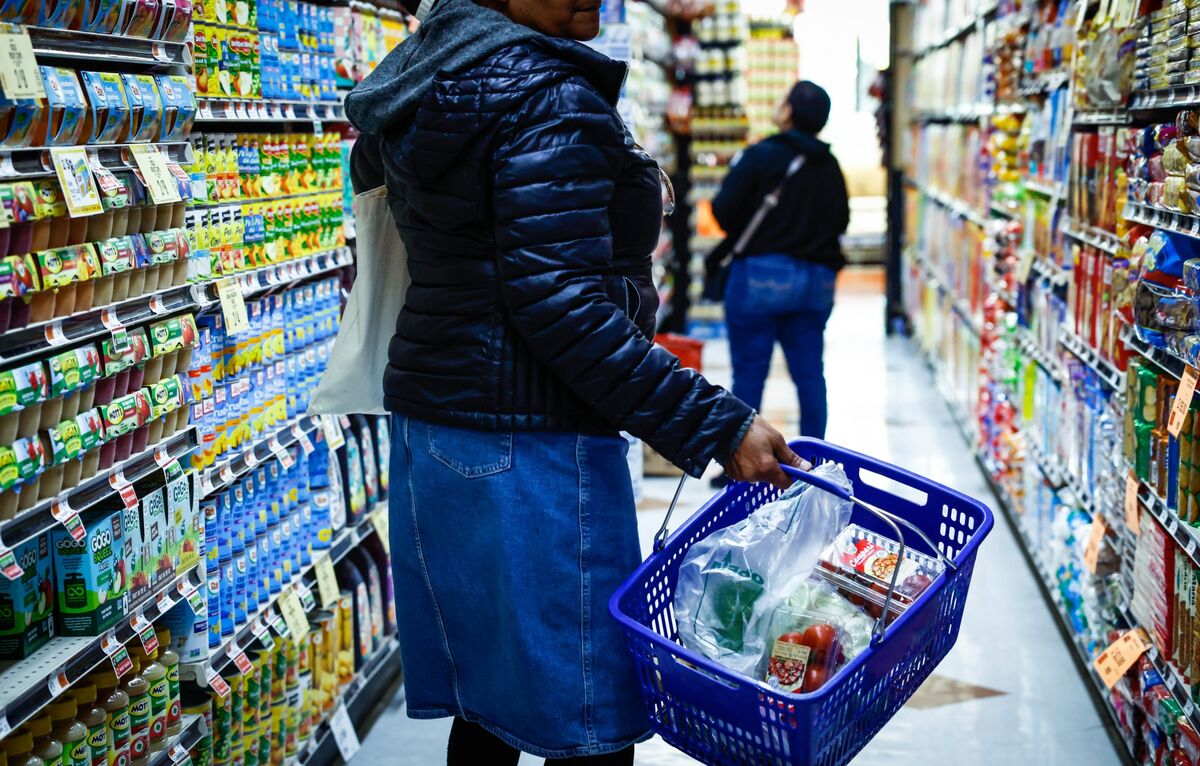
Ahold Delhaize CEO Frans Muller reported that the ongoing US government shutdown is significantly impacting consumer access to food aid payments, leading to reduced grocery sales at its Stop & Shop and Food Lion stores. Muller described the situation as "painful" for affected communities and urged a swift resolution, underscoring the direct financial consequences of political impasses on consumer spending and the retail sector.
Ahold Delhaize CEO Frans Muller reported that the ongoing US government shutdown is directly impacting consumer spending, specifically citing reduced grocery sales at its Stop & Shop and Food Lion stores. This decline is attributed to consumers' impaired access to food aid payments, linking fiscal policy directly to retail sector performance.
Muller described the situation as "painful" for affected communities, reflecting a "moderately negative" sentiment (-0.65) and "pessimistic" tone regarding the economic fallout. This disruption to essential consumer spending indicates broader implications for the retail sector.
The identified themes of "Consumer Demand & Retail" and "Fiscal Policy & Budget" highlight systemic risks, suggesting that a prolonged shutdown could exert sustained pressure on consumer staples. The moderate market impact score (0.55) indicates this situation warrants investor attention for its potential to affect broader market sentiment.
AI-powered research, real-time alerts, and portfolio analytics for institutional investors.
Request DemoOverall Sentiment
moderately negative
Sentiment Score
-0.65
