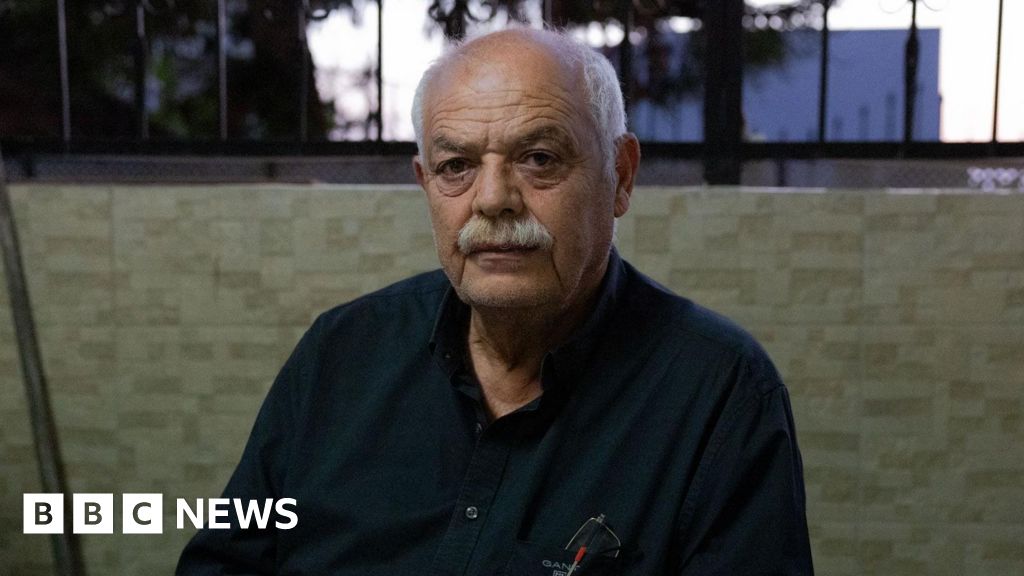
An Iranian missile strike in the Arab-majority town of Tamra, Israel, killed four members of a family, highlighting disparities in access to bomb shelters compared to Jewish-majority towns and sparking outrage over discriminatory resource allocation. The incident has ignited anger and exposed deeper societal divides, with residents pointing to historical underfunding of Arab communities, inadequate emergency preparedness, and reduced funding for development plans by the current Israeli government. This comes amidst heightened tensions and feelings of neglect within Arab society, further strained by the ongoing war in Gaza.
The Iranian missile strike in Tamra, resulting in four fatalities, has starkly illuminated significant disparities in civil defense infrastructure within Israel, particularly the chronic undersupply of public bomb shelters in Arab-majority communities compared to their Jewish-majority counterparts; for instance, Tamra, with 38,000 residents, has no public shelters, while the nearby Jewish-majority town of Karmiel, with a population of 55,000, has 126. This incident exacerbates existing grievances among Arab citizens of Israel, who constitute a fifth of the population and report systemic discrimination, evidenced by a poverty rate of 42.4% in 2023—more than double the proportion in Israel's general population—and historical underfunding in areas like emergency preparedness, with a 2018 State Comptroller report noting almost half of non-Jewish local authorities lack proper shelter access. The situation is further aggravated by the current Israeli right-wing government's reduction in funding for a five-year development plan for Arab society, with resources reportedly redirected, partly due to budget adjustments for the ongoing war in Gaza. This policy shift has intensified feelings of neglect and fear within the Arab-Israeli community, as highlighted by a Hebrew University survey where 69.2% of Arab Israelis reported fear over recent strikes, underscoring a fragile internal socio-political environment that could have broader implications for national stability despite a low immediate market impact score (0.1) for this specific event.
AI-powered research, real-time alerts, and portfolio analytics for institutional investors.
Request DemoOverall Sentiment
extremely negative
Sentiment Score
-0.85
