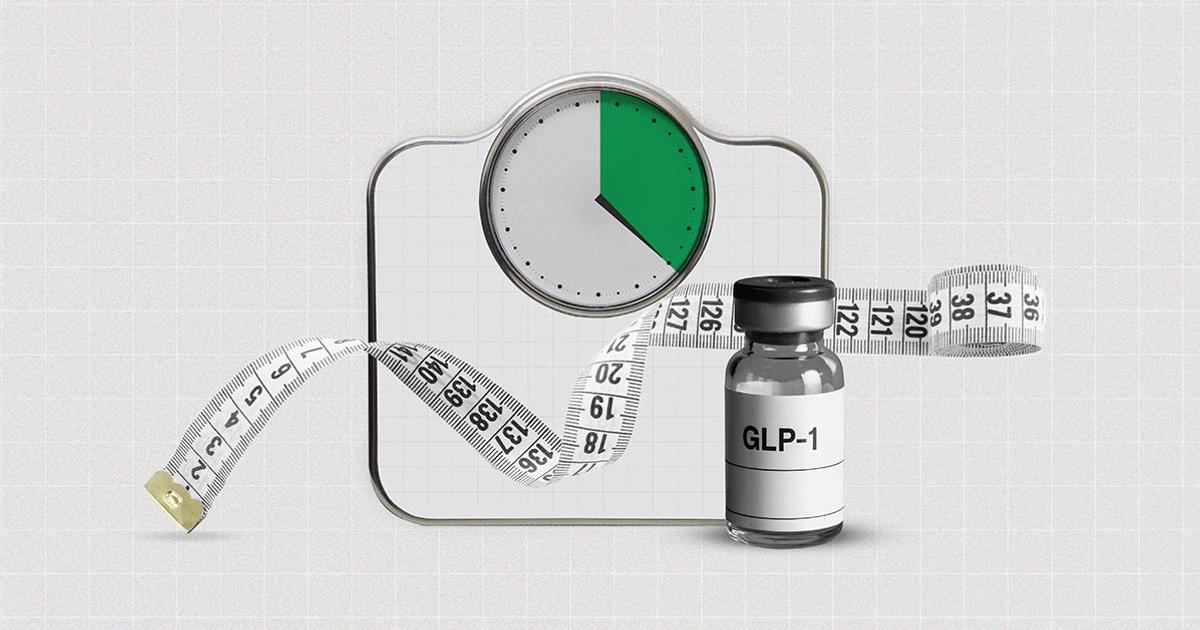
The U.S. adult obesity rate has declined to 37.0% in 2025 from a 2022 peak of 39.9%, a trend strongly correlated with the sharp increase in GLP-1 injectable usage for weight loss, which now stands at 12.4% of adults, up from 5.8% in early 2024. This reduction is most pronounced in age groups with the highest GLP-1 adoption and among women, who show greater usage and obesity rate decline. Despite this positive development in obesity rates, diabetes diagnoses have reached an all-time high of 13.8%, indicating that while GLP-1s are impacting weight management, they are not yet reversing existing lifetime chronic conditions. The rapid adoption and legislative efforts to expand coverage for these drugs underscore their significant market impact and ongoing influence on public health outcomes and the pharmaceutical sector.
The U.S. adult obesity rate has seen a statistically significant decline, falling to 37.0% in 2025 from a peak of 39.9% in 2022, representing an estimated 7.6 million fewer obese adults. This reduction strongly correlates with a sharp increase in GLP-1 injectable usage for weight loss, which surged from 5.8% in February 2024 to 12.4% of U.S. adults by 2025. The most pronounced declines in obesity rates, up to 5.0 percentage points, are observed in the 40-64 age groups, which also exhibit the highest GLP-1 adoption rates, currently at 16.2% to 17.0%.
Despite the positive trend in obesity reduction, diabetes diagnoses have reached an all-time high of 13.8%. This divergence is attributed to diabetes being a lifetime disease, meaning short-term obesity reductions do not immediately curtail existing diagnoses, though GLP-1s may modestly reduce the burden of obesity-related chronic conditions over longer periods. The article highlights that only a decline in new diabetes cases would eventually impact the overall rate.
The rapid market penetration of GLP-1s, with 89% national awareness and 12.4% adult usage, underscores their significant impact on public health. Ongoing legislative efforts to expand Medicaid coverage in 13 states for obesity treatment with GLP-1s suggest potential for sustained demand and broader accessibility, further solidifying the drugs' role in the healthcare landscape, particularly benefiting key pharmaceutical players like Novo Nordisk (NVO).
AI-powered research, real-time alerts, and portfolio analytics for institutional investors.
Request DemoOverall Sentiment
mixed
Sentiment Score
0.00
Ticker Sentiment
