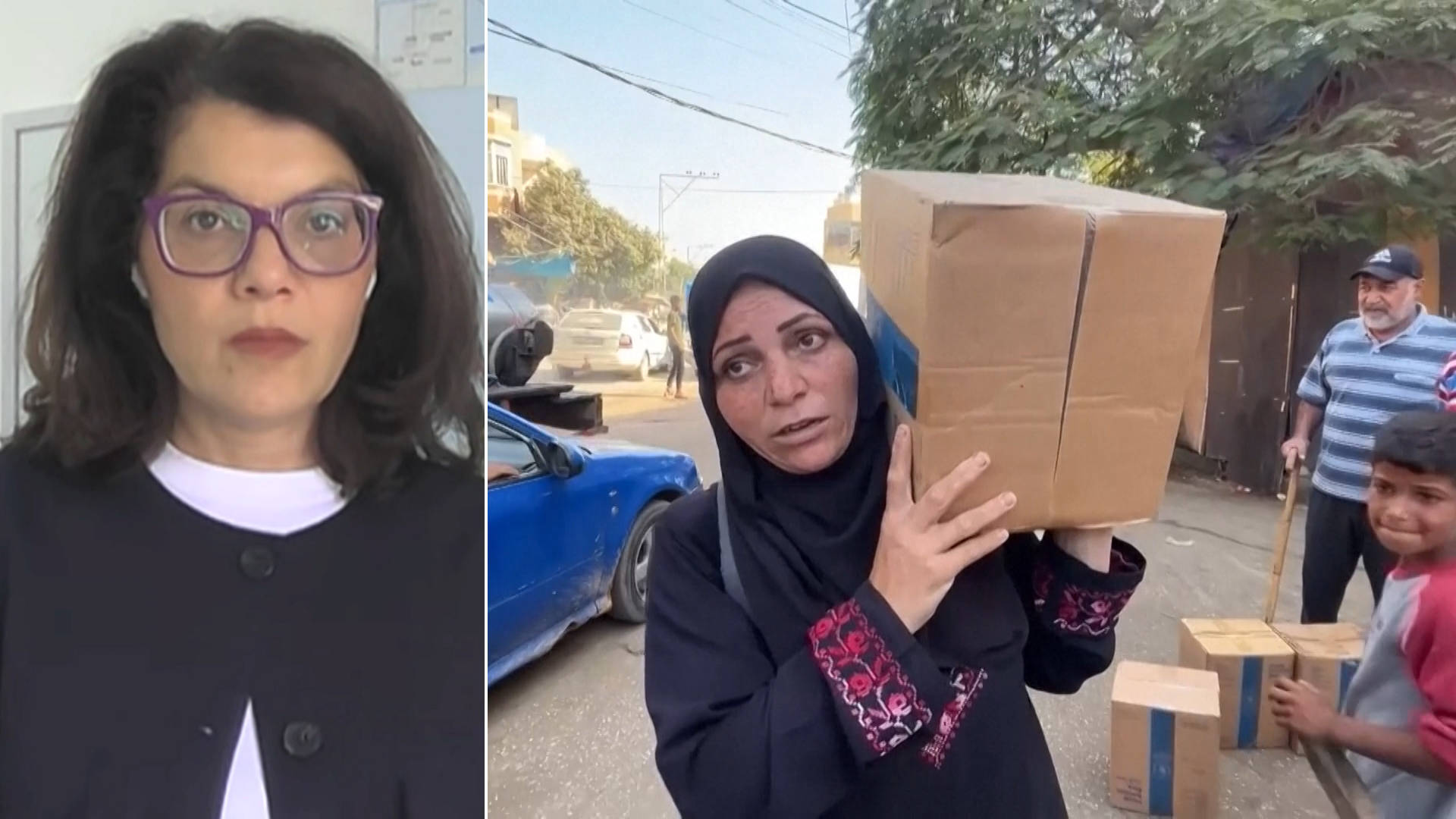
The International Court of Justice (ICJ) issued an advisory opinion mandating Israel allow UN humanitarian aid into Gaza and cease using starvation as a method of warfare, concurrently refuting Israeli allegations against UNRWA's neutrality and Hamas ties. Despite Israel's and the Trump administration's rejection and stated non-compliance, UNRWA, as the primary aid provider in Gaza, highlights the ruling's significance in affirming international obligations, especially as current aid truck deliveries remain well below agreed targets. The agency stresses its indispensable operational role for regional stability and any future peace initiatives, underscoring the ongoing geopolitical tensions and humanitarian challenges.
The International Court of Justice (ICJ) issued an advisory opinion mandating Israel allow United Nations humanitarian aid into Gaza and cease using starvation as a method of warfare, while also refuting Israeli allegations against UNRWA's neutrality. Israel and the Trump administration immediately condemned the ruling, with Israel explicitly stating it would not comply with the court's instructions, highlighting a significant geopolitical divergence. Despite its non-binding nature, the opinion from the highest legal authority of the U.N. confirms Israel's international legal obligations.
UNRWA, as the largest humanitarian agency in Gaza, continues to operate with 12,000 Palestinian staff, providing essential services despite bans on international personnel and goods. Current aid deliveries remain critically low, with only 281 and 263 trucks entering Gaza on recent days, significantly below the agreed target of 600 trucks per day. This shortfall exacerbates the severe humanitarian crisis, where over 90% of housing units are destroyed and famine was declared in August.
The ongoing non-compliance and rejection of the ICJ's findings by key actors contribute to a moderately negative sentiment and uncertain tone regarding regional stability. UNRWA's spokesperson emphasizes the agency's indispensable role in any successful peace plan, given its unique scale, infrastructure, and community trust, suggesting that its operational capacity is crucial for humanitarian relief and long-term recovery. The situation underscores persistent geopolitical tensions and significant humanitarian challenges that could impede regional stability.
AI-powered research, real-time alerts, and portfolio analytics for institutional investors.
Request DemoOverall Sentiment
moderately negative
Sentiment Score
-0.40
Ticker Sentiment
