
Jobs and Iran add to Trump's midterm headaches. Why that's good for bonds and bad for energy stocks.
Source: marketwatch.com
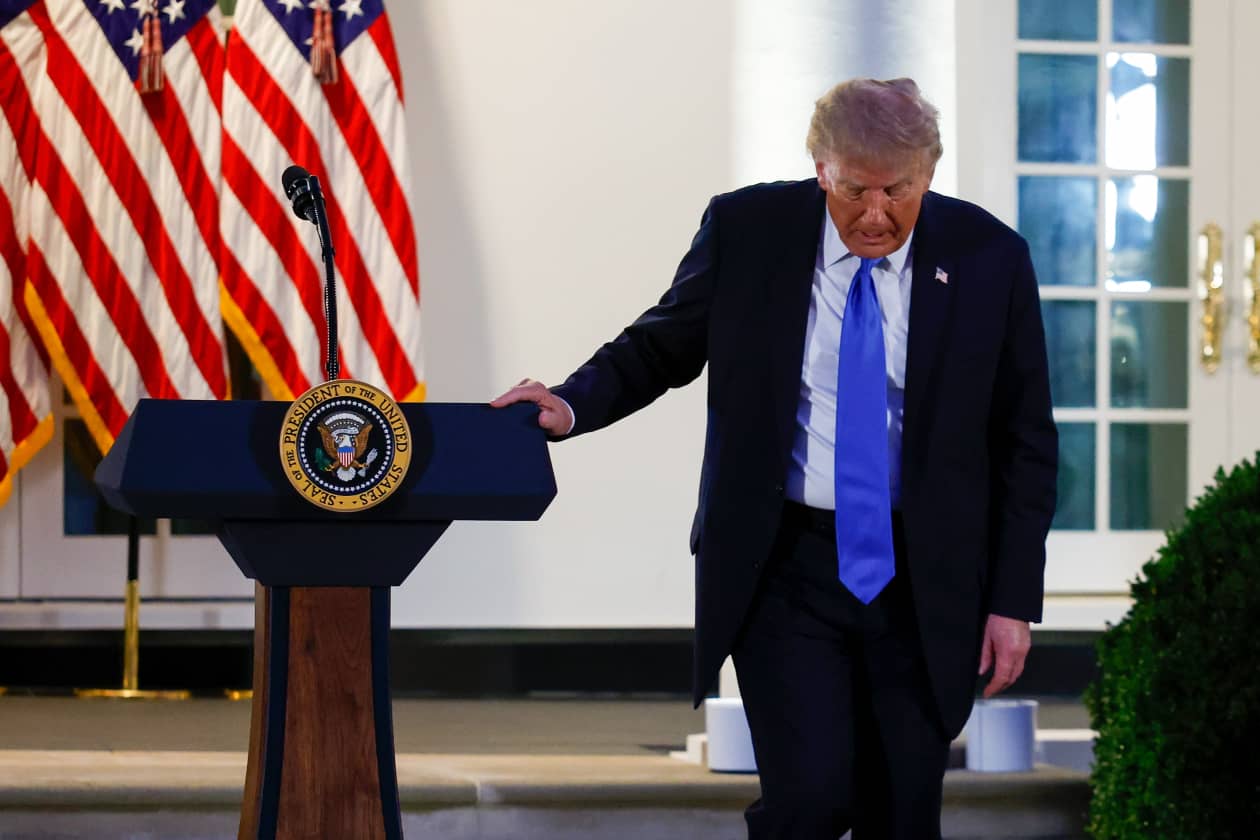
The article argues that easing pressure on Iran-related energy conditions could help lower gasoline prices, making it “good for bonds but bad for energy stocks.” It notes investors may consider rebalancing by trimming booming energy exposures and adding to bond funds that have recently “been in the tank,” alongside the need for faster declines in mortgage rates.
Analysis
The market mechanism is less about politics and more about forced portfolio path dependence: if headline pressure succeeds in lowering gasoline and rate expectations, the first-order winners are duration-sensitive assets and the first-order losers are energy cash-flow names that have been trading on a geopolitical risk premium. That said, the fastest adjustment is usually in multiples, not fundamentals — energy equities can de-rate 1-2 turns within weeks if crude momentum stalls, while bond proxies can re-rate before any actual policy easing shows up.
The more interesting second-order effect is on credit. Lower oil and lower rates are a double tailwind for levered balance sheets, especially high-yield issuers with refinancing needs in the next 6-12 months; that argues for better relative performance in broad credit ETFs versus pure rate-sensitive longs if growth does not deteriorate. The flip side is that if the bond rally is driven mainly by weaker labor data rather than cleaner disinflation, duration wins but credit quality worsens, so the cleanest long is Treasuries rather than HY.
Contrarian risk: the consensus may be overestimating how quickly mortgage rates fall and underestimating how fast the administration will pivot back to inflation-fighting rhetoric if gasoline stabilizes without a recession. Mortgage spreads and term premium can overwhelm modest Treasury declines, so a 25-50 bp move in the 10-year may not translate into the consumer relief narrative. For energy, the bear case is mostly a momentum unwind; the bull case only reasserts itself if supply disruption or OPEC discipline reintroduces a floor under crude within the next 1-3 months.
AllMind Terminal
AI-powered research, real-time alerts, and portfolio analytics for institutional investors.
Request TrialMarket Sentiment
Overall Sentiment
neutral
Sentiment Score
0.05
Key Decisions for Investors
- Trim XLE on strength over the next 1-2 weeks; prefer a tactical underweight until crude confirms a new floor. Risk/reward: 8-12% downside in energy equities if the geopolitical premium bleeds off, but stop if WTI reclaims the prior breakout level for more than 5 trading sessions.
- Initiate a relative-value long TLT / short XLE pair for a 1-3 month horizon. This captures the policy-sensitive rotation from inflation hedges into duration, with the trade invalidated if oil spikes back up or the 10-year yield makes a new cyclical high.
- Add modest duration via IEF or TLT call spreads rather than outright long bonds; this limits carry cost if bond yields grind sideways. Falsify the thesis on a hotter CPI/PCE print or a rebound in mortgage spreads that keeps housing financing costs elevated despite lower Treasuries.
- For credit exposure, rotate from broad equity beta into HYG selectively if recession odds stay contained. The setup is best over 3-6 months: lower rates plus lower energy input costs usually supports refinancing conditions, but exit if high-yield spreads widen 75-100 bps from current levels.
- Treat any energy drawdown as a watchlist entry rather than a structural short if supply headlines re-accelerate. The market can re-price a geopolitical floor in days, so avoid naked shorts unless WTI loses support and stays below it through the next inventory cycle.
More News
- Putin reportedly suggests summit with Trump and Xi to decide fate of Ukraine
- While consumers are angry about high-tech ways to set prices, a study of dynamic pricing found half the U.S. changes it recorded were decreases
- Indonesian stocks plunge to six-year low as MSCI downgrade fears mount
- Nifty Bank Heavyweights HDFC, ICICI in Focus After Weekend Earnings
- Ukraine launches over 1,000 drones at Russia, setting oil facilities ablaze
- Trump defends Russian sanctions relief, lashes out at Zelenskyy
From AllMind Research
- Anthropic IPO Preview: Valuation, Timing, and What to Watch
- Shein After the IPO: Venue, Valuation, and What Must Be Proved
- What AI Research Tools Should a Small Hedge Fund Buy First?
- Weekly Update: Live Event Center, In-App Documents, and Faster Transcripts
- How to Automate Equity Research Workflows: A Control-First Guide