
One slide gets read. The other twenty have to hold up.
The first draft comes back in your shape: the one page that gets read, the firm by firm detail on page seventeen, every point opening to the note behind it. It works from the public record, so nothing of yours has to go in before your numbers go out.

Premium data sources licensed from 100+ providers and partners, including broker research, Quartr IR materials, Aiera calls, live news and market data
Analysts on a widely covered peer. One run reads all of them.
Names the firm behind it and opens to the note it came from
Nothing You Upload Trains A Model
Almost every job on this page runs on the public record, so you do not have to send a draft release or an unreleased number to get the Street read, the peer slides or the board pages. For anything you do upload: no training on user data, encrypted in transit and at rest, SOC 2 Type II. If your policy on pre-release material needs more than three lines, send us the question and we will answer it in writing or tell you we cannot.
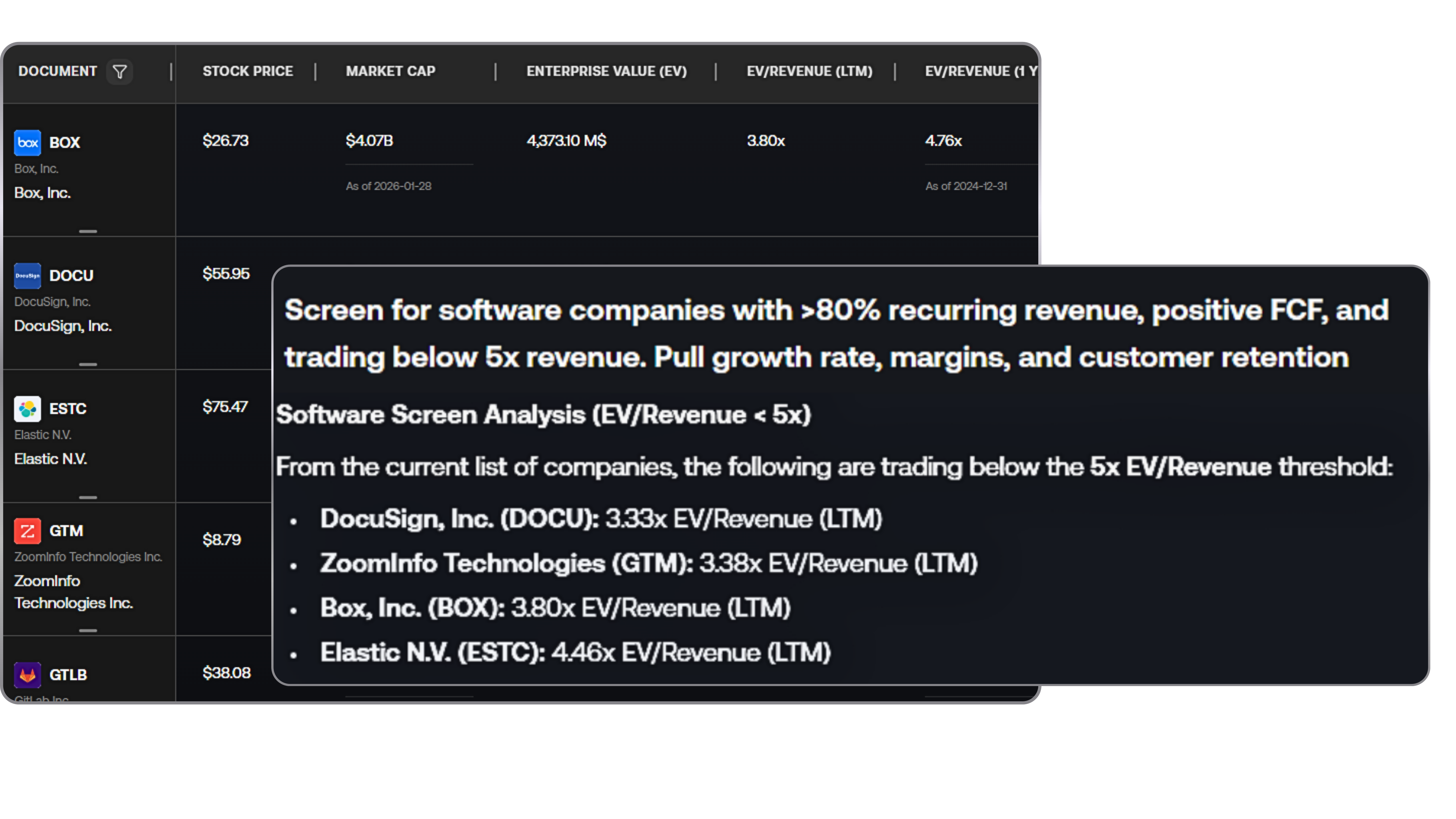
A Blank Template Is Enough
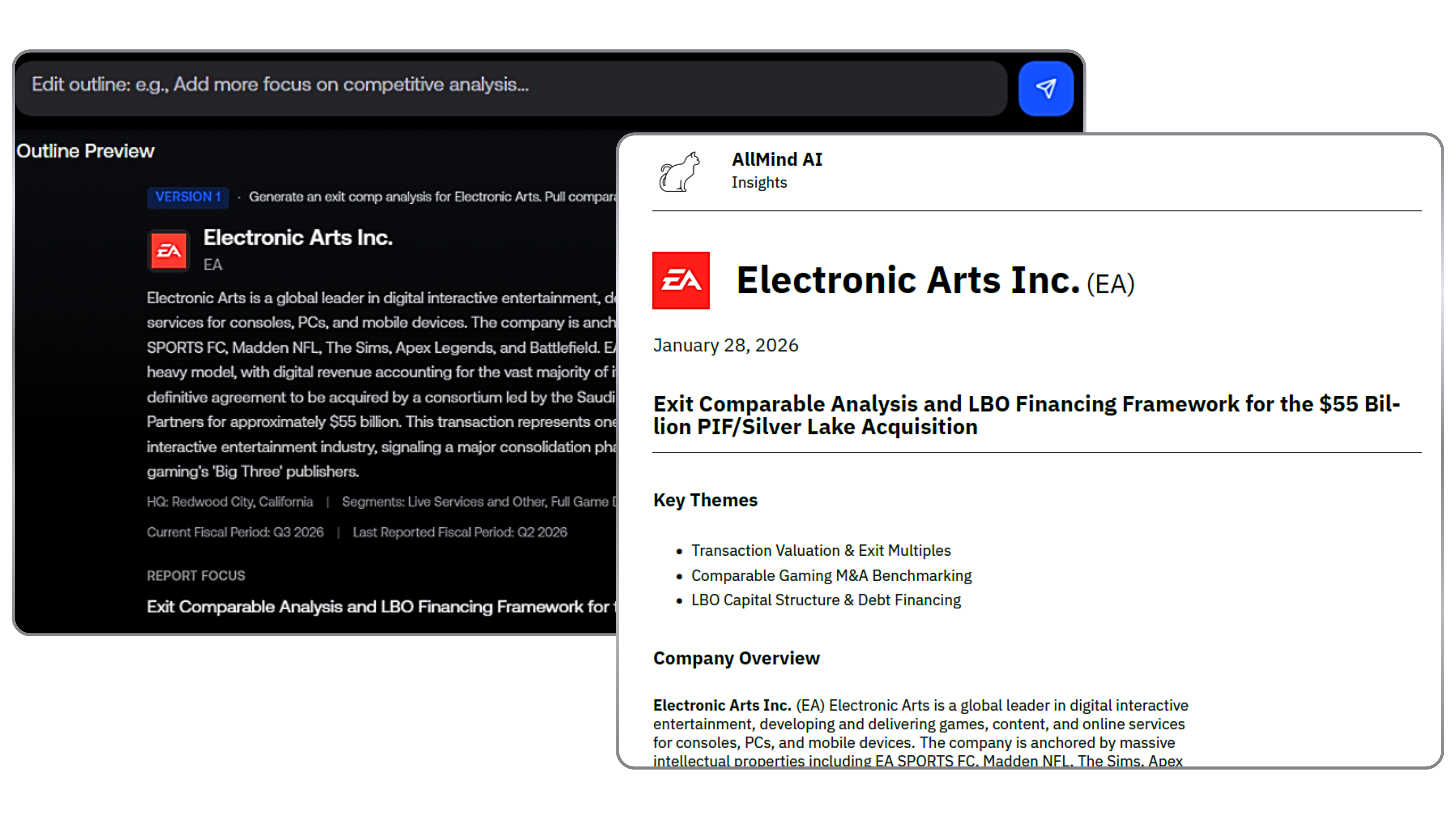
Send the master template or a slide outline, never the finished deck you built for a client, and the structure is set from that. Output comes back in that shape every time: a deck for one client, an email for the next, a workbook for the third, executive summary at the front.
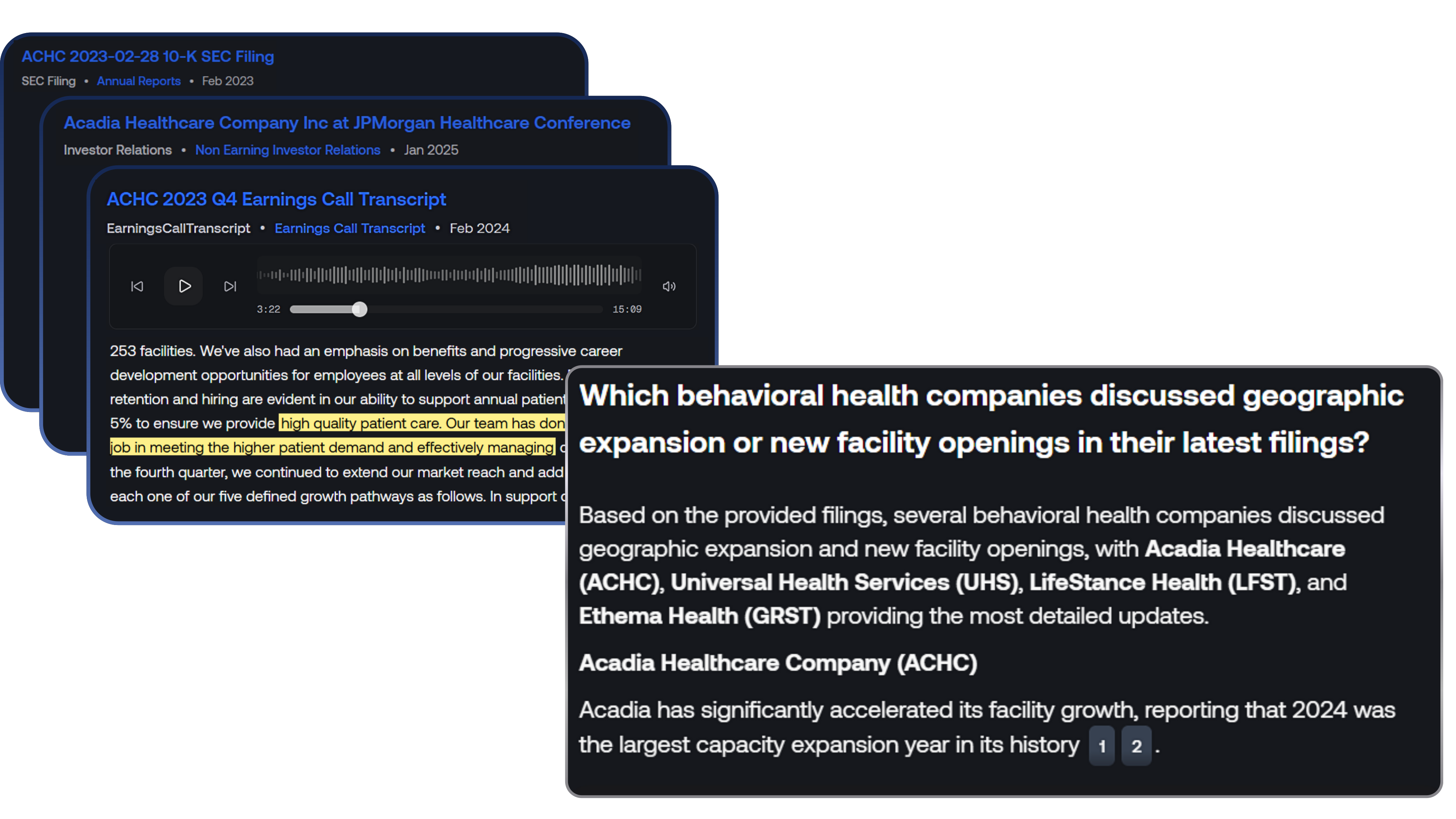
The Notes Published On You, Firm By Firm
Name the peers and it reads the notes published across all of you. The overarching view comes back first, then a section per firm: financial outlook, valuation, strategic developments and sentiment. It stays inside the documents you scoped and names the firm behind every point, so the summary slide and the excerpts behind it come out of the same run.
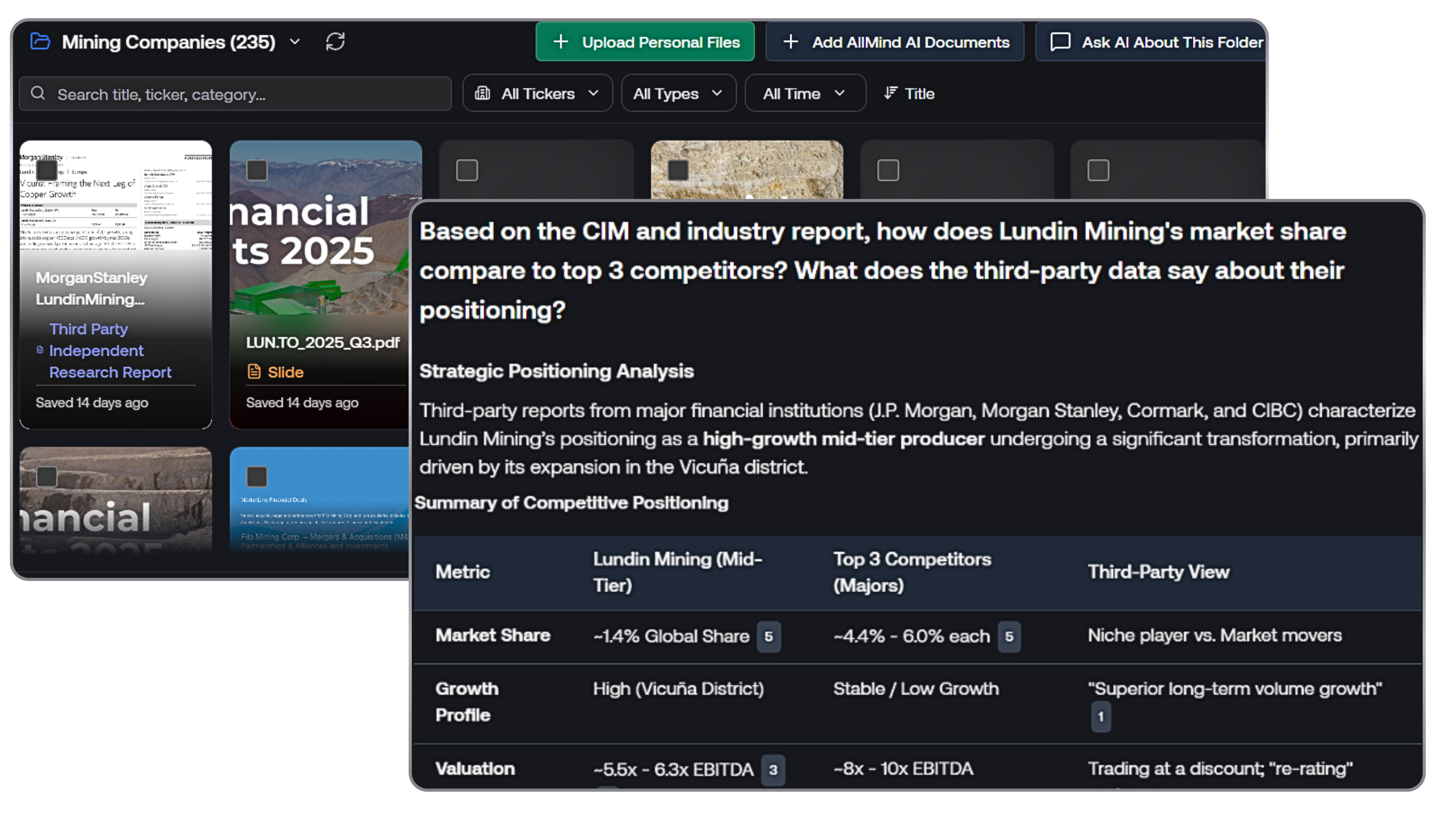
The Friday Letter, Drafted Before Friday
The sector letter that goes out each week can run itself: the prints against consensus, the broker view with the firms named, and the headlines that moved your industry, each item carrying its source and its date. You edit it into your voice and send it.
Where the quarter's hours go.
Four of these come round every quarter, one runs every morning, and the last lands whenever a perception study is commissioned.
Read five months of calls across you and your competitors
Restrict it to earnings call transcripts and it stays inside them: the pillars the Street keeps repeating, the numbers sitting under each one, and the questions that came back a second time, with the firm that asked and the call it came from. What that leaves exposed is your read, and it is the frame the script gets written against.
One page per peer, twenty peers deep
After each peer prints: what happened, what that management team said, and the read-through for you. Then the next peer, and the next, inside the same two-week window. On a widely covered name that can mean thirty-five or forty analysts to read through.
What the notes picked up, and what nobody mentioned
Where the results sat against consensus, how the stock traded through the day, and which analysts moved their numbers, by how much, with the note behind each move. Then the evidence management asks for: which themes the notes picked up, which ones nobody mentioned, and which questions came back a second time. What to elaborate at the next conference is your call, made faster.
Precedent hunting, fifteen years back
How comparable companies resegmented and recast prior financials, how they widened, reaffirmed or withdrew guidance after a policy shock, or how the peers already running the model you are weighing first introduced it, which metrics they disclosed and when. Where a company discloses nothing, the cell says so.
Eight to ten items, ranked, by the open
A sweep of the last 48 hours across the themes and companies you set, ranked with research and analyst notes first, then news and releases, then filings and earnings commentary. Each item carries the company, the source, the date, and two or three lines on why it matters to this business.
Turn twenty transcribed investor calls into the deck
A perception study is fifteen to twenty-five conversations with holders, sellers, people who never bought and the analysts, transcribed and then cut into themes by hand. Load the transcripts into a room and the quotes come back grouped under capital allocation, competitive landscape and the rest, cleaned up enough to read, with a first take on each section for you to argue with.
Public equity research, end to end. Four buyers, four different weeks, one platform underneath. Pick the one that looks like yours.
Built for Finance




See AllMind on your own coverage
Join leading hedge funds and institutional investors who trust AllMind.Join leading hedge funds and institutional investors who trust AllMind to accelerate their research and analysis.