
A hundred names, one analyst, and the 8:30 has to be written.
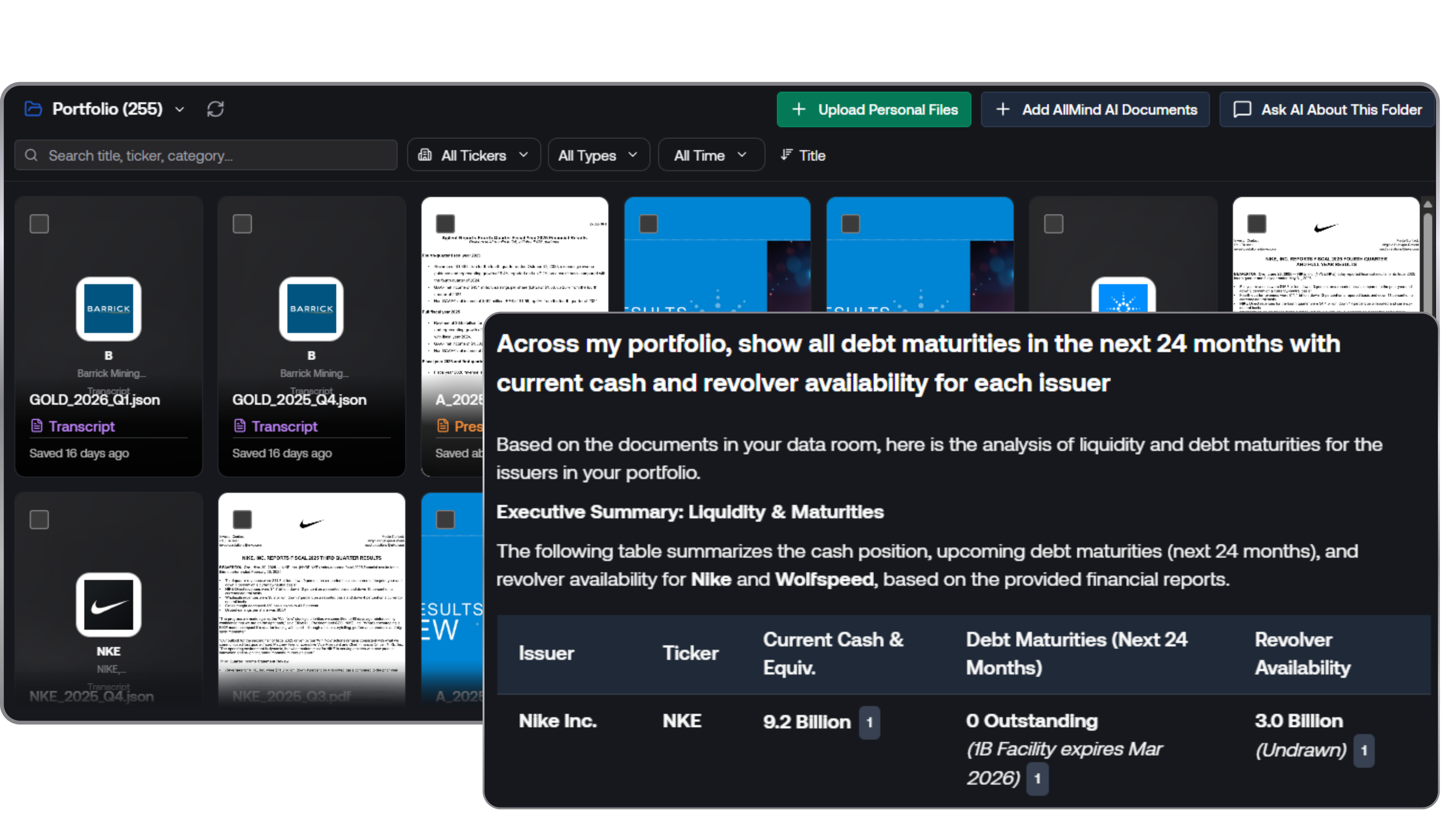
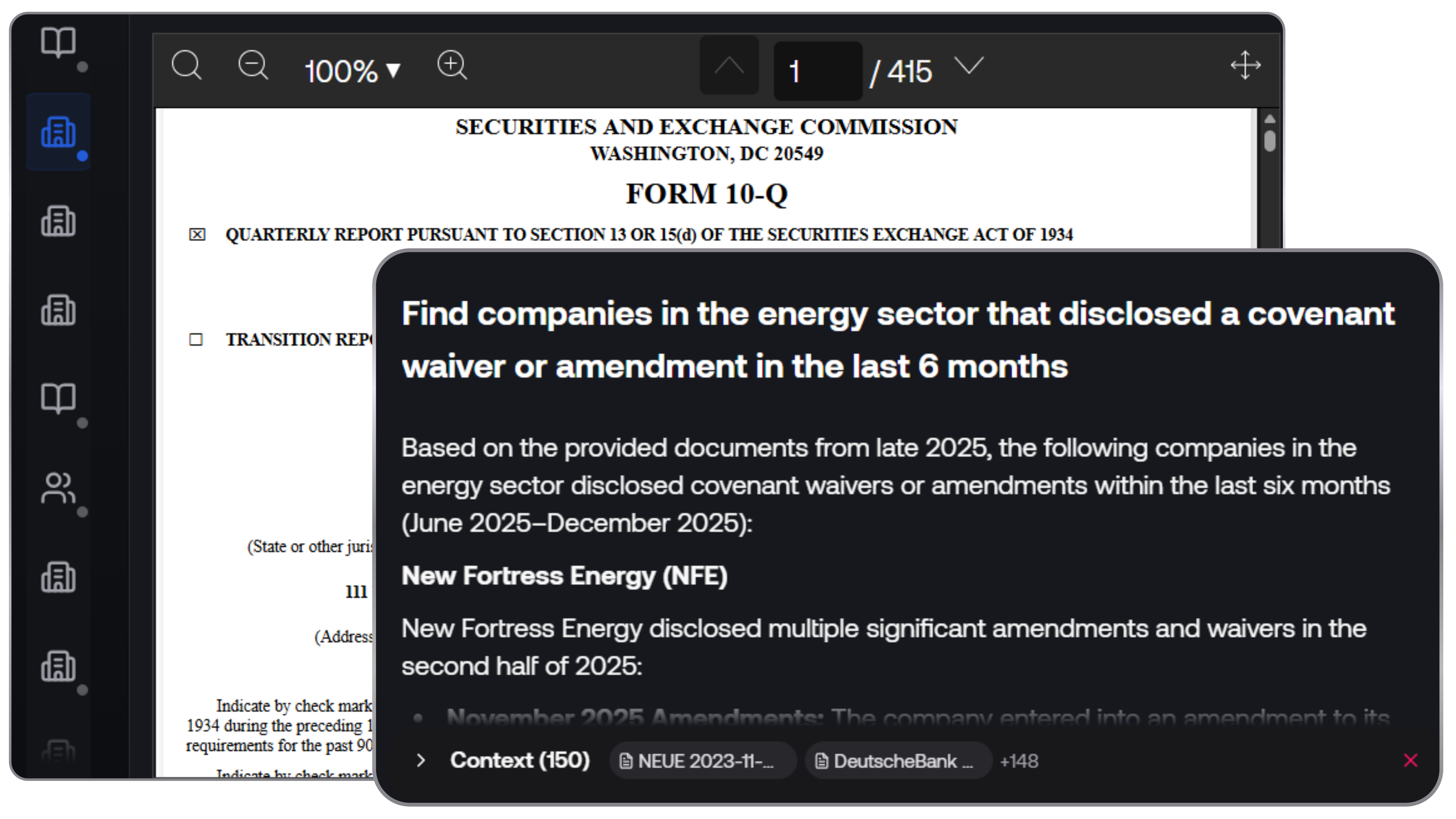
One question reaches the filings, the transcripts, the broker mail, the news and the card data your fund already pays for, and you can put it to the whole book at once. What comes back opens to the document under it, so you can check a line before you size anything.

Premium data sources licensed from 100+ providers and partners across markets, news, research, ownership, deals and alternative data
Warehouses, RMS, portfolio systems, files and APIs read in the same answer as the external corpus
Opens to the note, filing or transcript it was read from
The Data You Already Pay For, In The Same Answer
The Snowflake, Databricks or S3 your fund already pays for gets indexed against tickers and read next to the filings and the estimates: card data, expert transcripts, short interest, the research mail your firm routes into its warehouse. Your data team sets the connection once, and the ingestion window runs to their schedule.
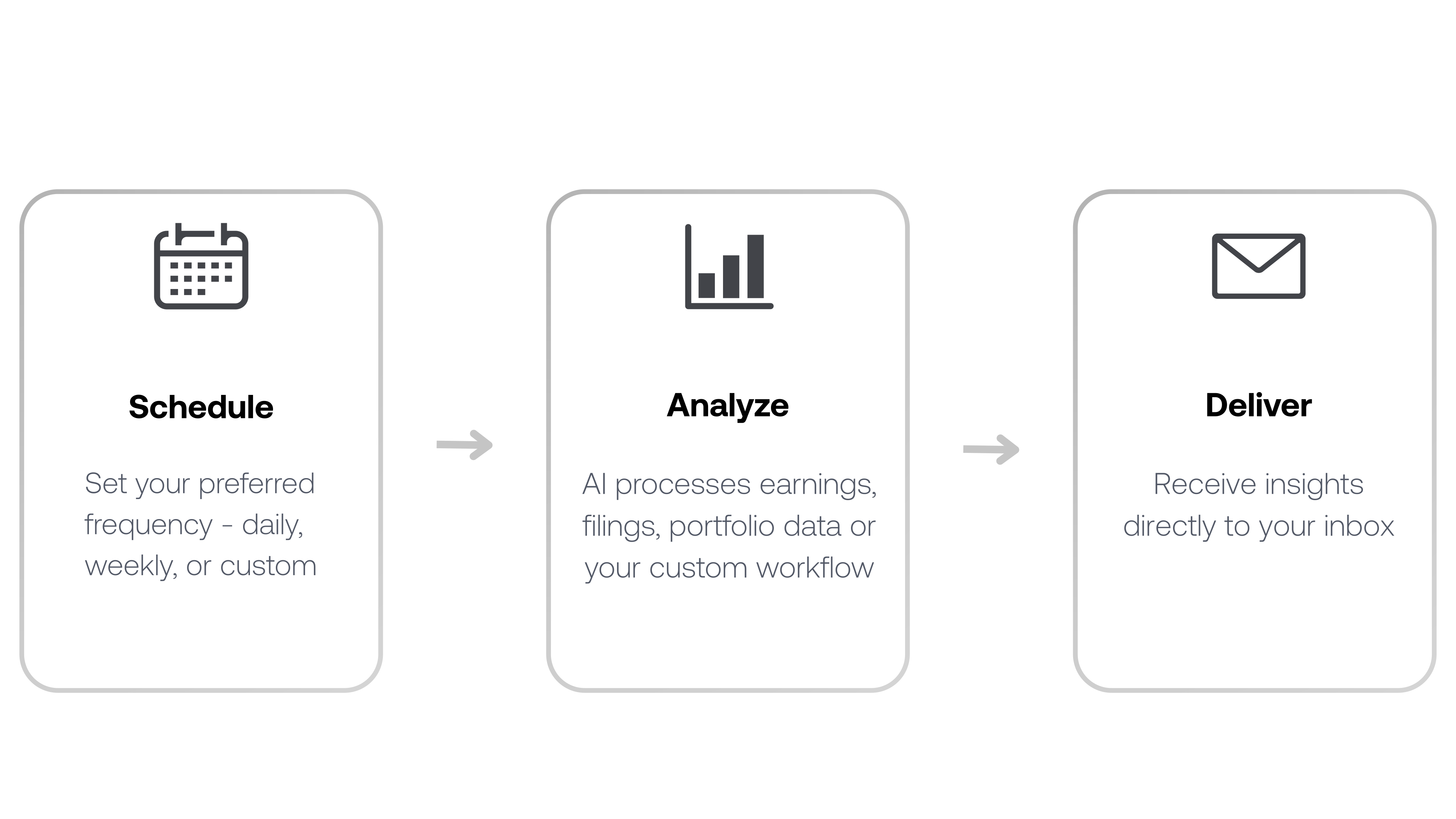
Nobody Has To Be Awake For It
A covered name reports, a filing lands, a company you follow turns up on a conference agenda, and the output is in your inbox. Triggers hang off the earnings calendar with the lead time you choose, so the prep for Thursday's print is written on Monday. Nobody has to open a tab on a morning when four names print before ten.
Beside The Terminal, Under Your Own Entitlements
Broker research is already a platform content class. Aftermarket Research is included by default on a provider-specific delay that varies by broker and report; connect your research management system to read publication-time reports under your firm’s entitlements. AllMind can also connect portfolio, risk and OMS data by integration scope without asking you to replace those systems.
One Fund, Several Desks, Separate Data
Access is scoped per user, so one team's material never surfaces in another team's results. The feeds a pod pays for stay with that pod. No training on user data, encrypted in transit and at rest, SOC 2 Type II.
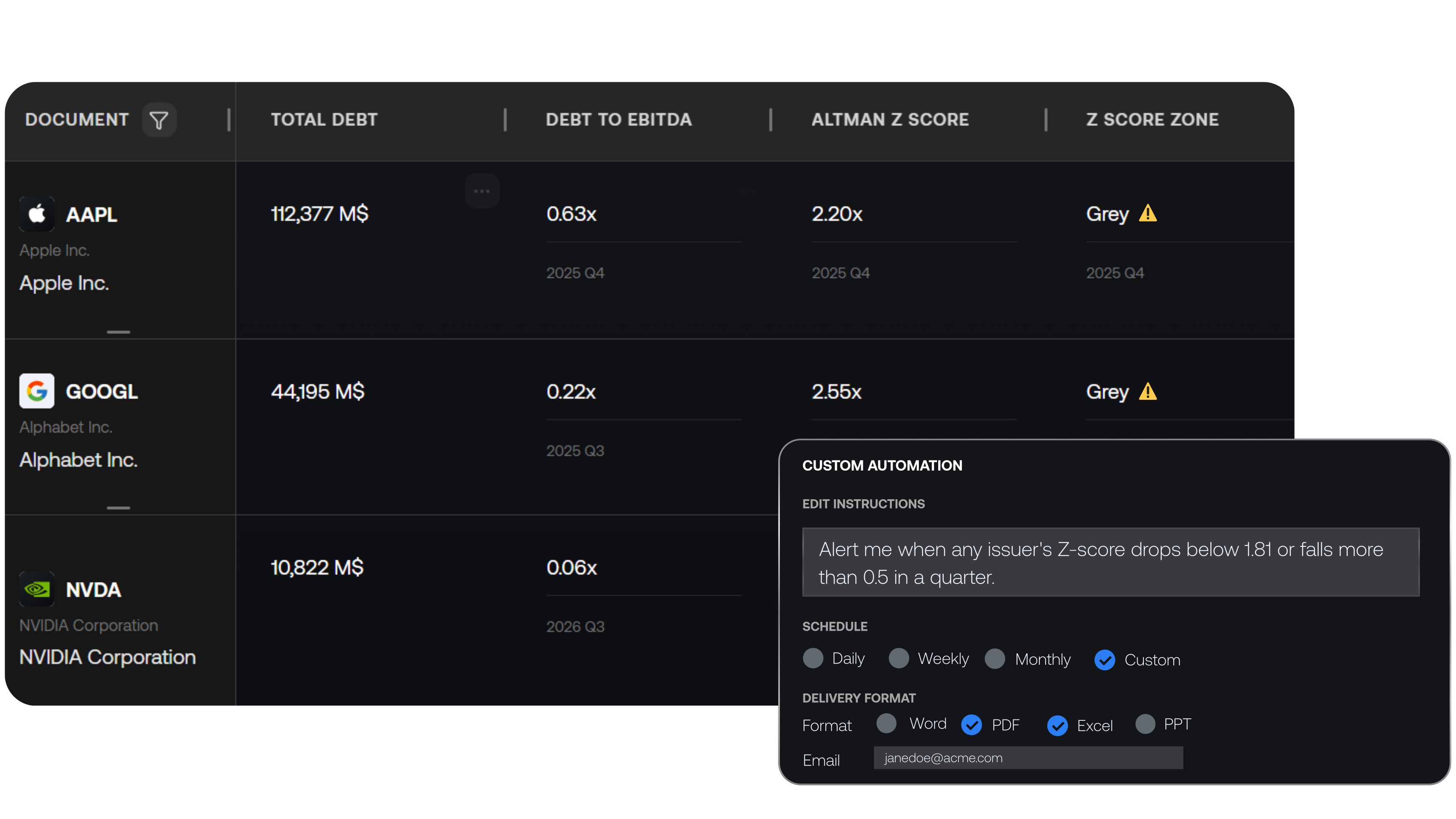
What lands without being asked for.
Six jobs, on the four clocks that run the week: the open, the print, the call, the drawdown.
The 8:30 brief, from the senders you already read
You hand over the sender list: the TMT specialist, the consumer specialist, the desks whose numbers you do not fully trust but still need to know about. It reads that mail and the overnight news against your book and lands one summary before the open. The filter runs on sender domain, so nothing else in the inbox gets touched.
Earnings prep that assembles itself
Type the ticker three days out and get back what your fund already pays for in one pass: card data, expert transcripts, web traffic, the competitor that reported last month and what it said about your region, and the previews. Then ask the question worth asking, which is whether the experts, the alt data and management are telling the same story, and where exactly they stopped agreeing. The subscription itself includes 100,000+ expert interview transcripts, before your own contracts come in.
The guidance that only shows up in Q&A
The number is in the release and management repeats it in the prepared remarks. The part worth having is the colour that comes out when an analyst pushes in the back half of the call. It reads the Q&A and files each comment under the quarter it belongs to, so a remark about next year does not come back to you later as this year's guide.
Who cut the number, and who only cut the tone
The day a covered company reports, a note goes broker by broker: what each one liked, what each one did not, and how the filing read against what was expected going in. It runs across the notes you are entitled to, so you walk into the discussion knowing who moved an estimate and who moved a paragraph.
Write down why you are short, then watch those pillars
The multiple, the channel check, the guide you think they miss. You pick what gets read against them: broker research, filings, transcripts, news, price if you want it in there. It comes back when one of those pillars is pressured or supported, names the data point that moved it, and stays quiet the rest of the time.
Before you blame the company, check the group
A name is down twenty percent and the question is whether it is a normalisation or an entry point. First check whether a peer reported and knocked the whole group down, then ask for the memo short enough to read and the two slides short enough to send to the PM.
Public equity research, end to end. Four buyers, four different weeks, one platform underneath. Pick the one that looks like yours.
Built for Finance



See AllMind on your own coverage
Join leading hedge funds and institutional investors who trust AllMind.Join leading hedge funds and institutional investors who trust AllMind to accelerate their research and analysis.