
Every number in the note opens to the filing it came from.
Load the filings, the releases, the technical reports and your last published note, and the week of reading is done before you start writing. The rating and the target stay with the analyst whose name is on the front page.

Premium data sources licensed from 100+ providers and partners, plus your own published notes and models
Documents indexed, so ten years of record on a new name comes back as a query
Consensus estimates and revisions beside FactSet fundamentals, S&P Capital IQ data and Visible Alpha broker models
The Reading Is The Machine's Job
Every figure opens back to the filing, release or technical report it was read from, and comps carry the earnings, market cap, net debt and EBITDA under the multiple. If you publish, the prose still has to be yours: detectors catch long-form machine writing and we have no fix for that. The rating, the target and the last check stay with you.
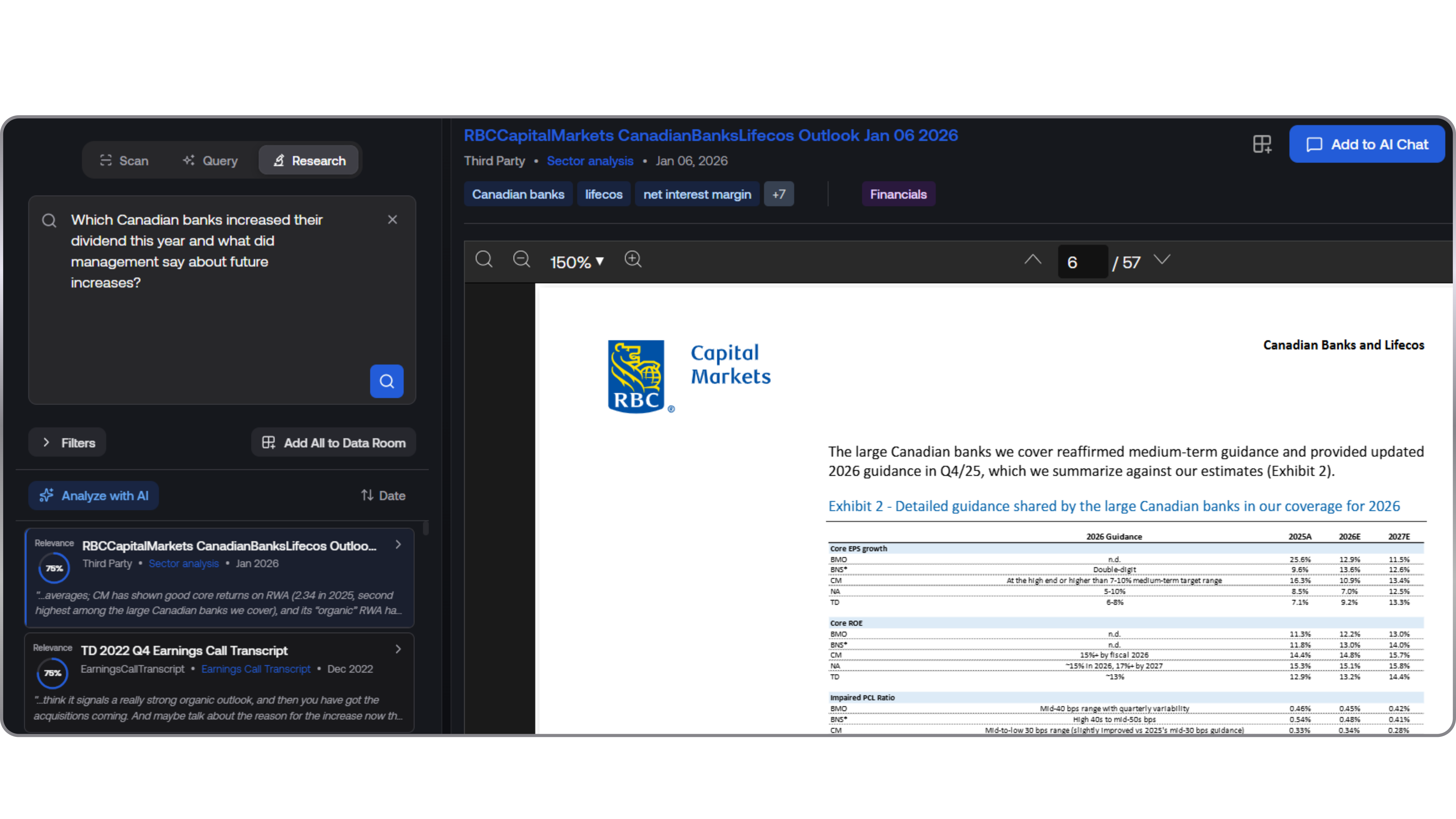
The Column No Screener Carries
Write a column for a fact no screener carries, then run it down the whole coverage list in one go. Every cell links to the release it was read from, so a challenge on any row opens the document behind it. Where a company discloses nothing, the cell says so.
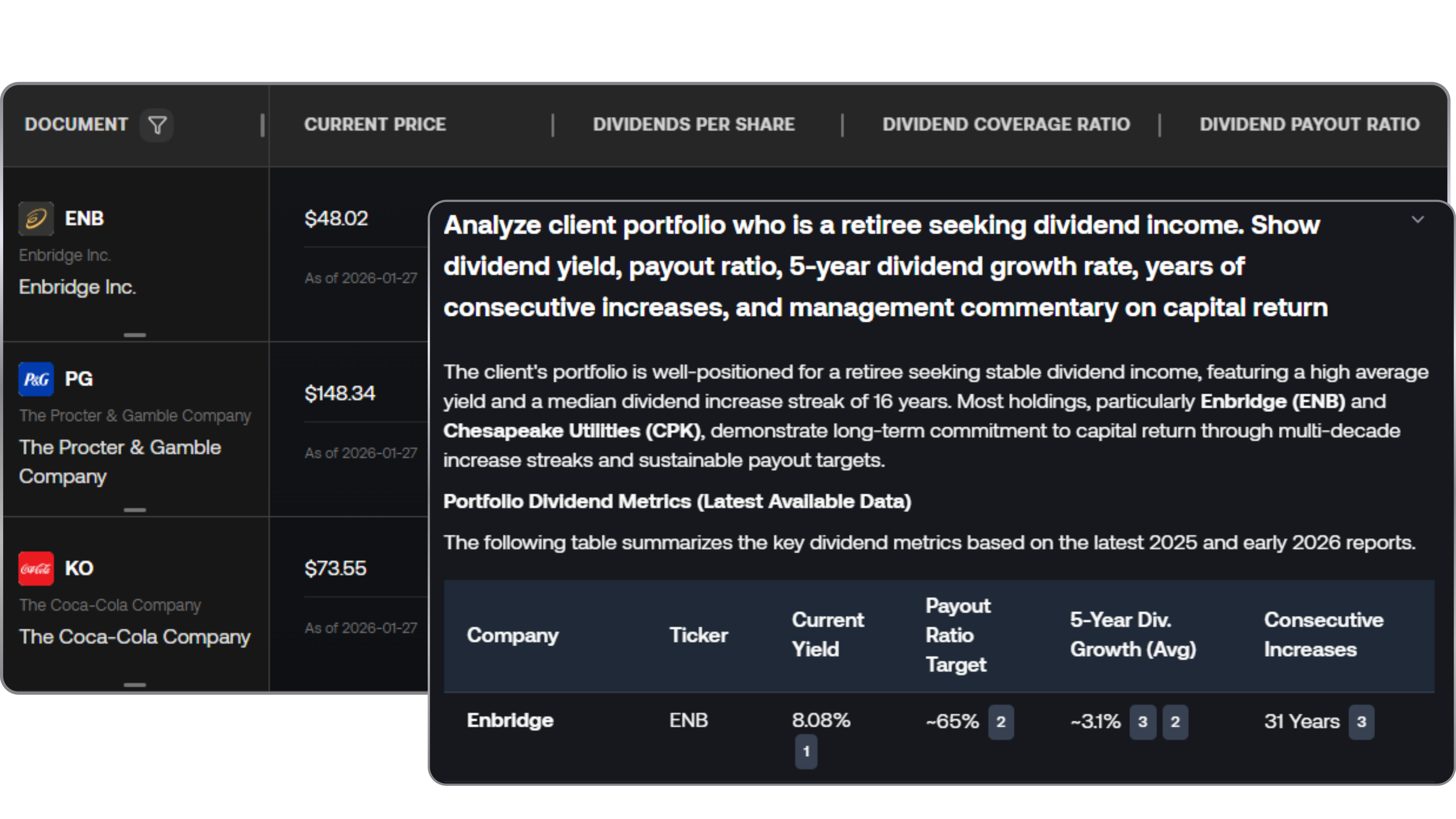
A Hundred Documents In One Room, And Only That Room
Load the filings, the technical reports, the issuer's own material and your last note on the name into one room, and the work runs against that room and nothing else. No stray web result, no other issuer's file. Your back catalogue of ratings, targets and prior notes becomes the thing the next draft starts from, so the new note knows what you said last time.
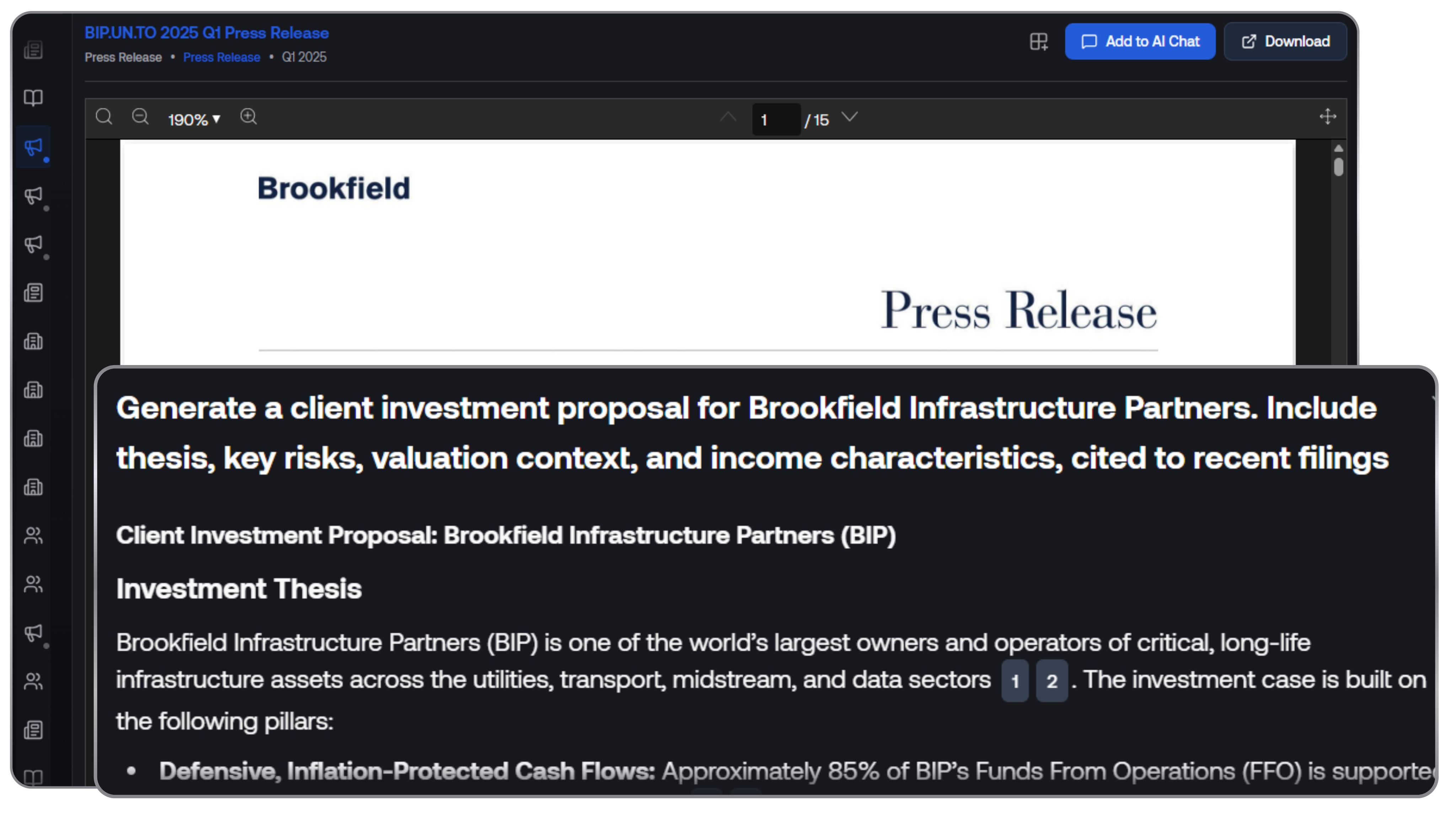
Research And Banking On The Same Floor
Access is scoped per user, so one team's material never surfaces in another team's results. On a floor with both sides of the house that is the first question asked, usually before features and before price. The scoping is set on your connected storage, and nothing is assumed on our side.
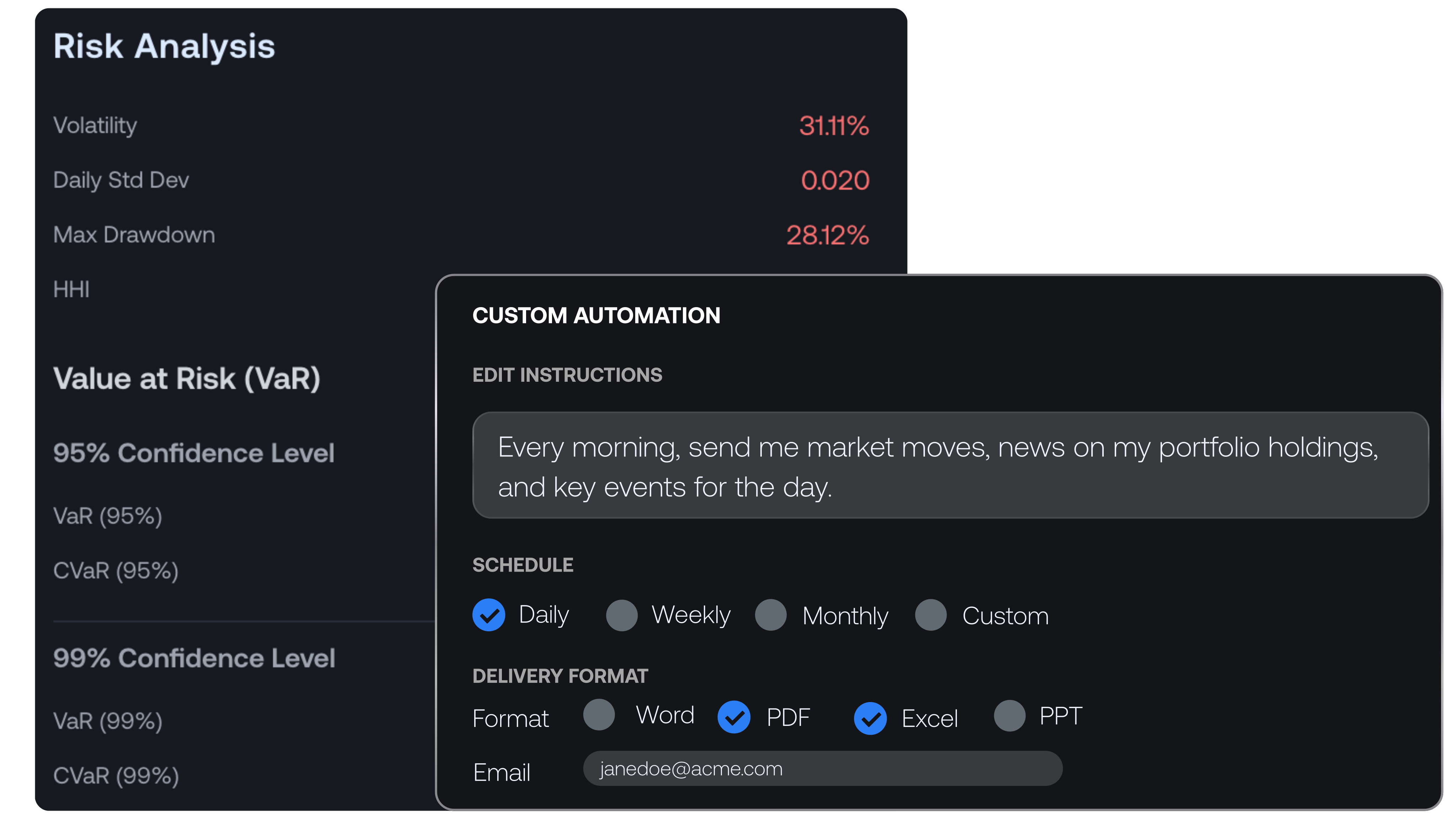
The reading, done before the writing.
Six jobs, in the order they land.
The 7:00 wires, ready for the 7:30 meeting
Wires land at seven, the meeting is at seven thirty, and you have to have a view by then. A scheduled run reads what crossed overnight across your coverage and hands you the summary plus the read-through to the other names you cover. Wire copy is in within minutes of crossing.
Twenty-five pages on the industry before you write about the company
A new name means the ten-year industry history, the peer set profiled, the policy and procurement hurdles that decide who wins, and the model underneath it: annual history, quarterly detail on the recent years, forecasts out five, built in Excel with live formulas. The questions for management come back as their own document, because they never go in the note.
Get the quarterly note out while it still matters
The release, the MD&A and the call read against what was expected going in, with management's key statements pulled out and the variances laid beside them. It drafts into the quarterly format you already publish, and every number opens to its document, so the check before you send is a check and not a re-read.
Catch the issuer contradicting its own deck
Run the fact sheet, the corporate presentation and the filings against each other. Share counts that do not match, prices that do not match, a capability claimed in the deck with nothing public behind it. These come back as questions you put to the company before your name goes on the note.
One email a day on the names you cannot read every day
A standing run across your universe watching for the things that change a rating: financings, strategic reviews, changes of control, and the early paperwork that shows up before a deal is announced. Set the universe by market cap and jurisdiction, run it at one o'clock, and it arrives as one email.
Build the universe no screener covers
Filter twelve months of filings on a theme, add what comes back to a room, then run your industry template against that room alone. The slow part of an annual survey is confirming where forty-odd names stand today, because a company may have sold or dropped the thing it was known for since you last wrote it up.
Public equity research, end to end. Four buyers, four different weeks, one platform underneath. Pick the one that looks like yours.
Built for Finance




See AllMind on your own coverage
Join leading hedge funds and institutional investors who trust AllMind.Join leading hedge funds and institutional investors who trust AllMind to accelerate their research and analysis.