
Virginia Menhaden Fishery Welcomes VIMS Dean Derek Aday's Call for Science to Guide Chesapeake Bay Decisions
Source: Newswire
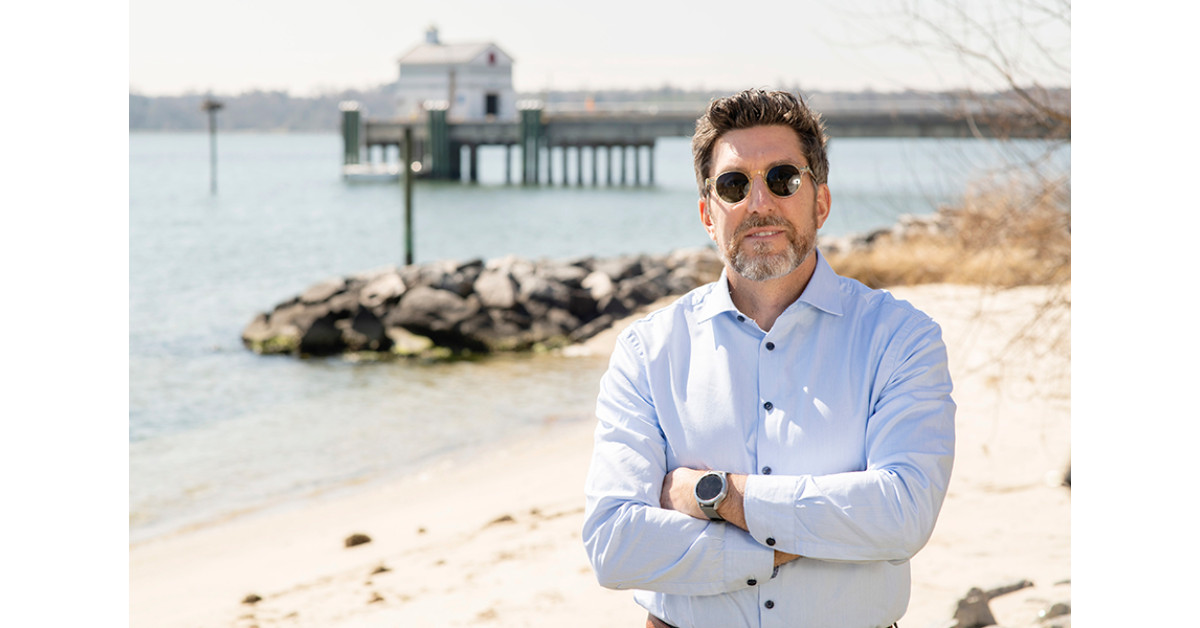
Ocean Harvesters endorsed VIMS Dean Derek Aday’s call for rigorous, independent research to inform Chesapeake Bay menhaden decisions, urging policymakers to complete Virginia-, federal- and industry-funded studies before imposing additional fishery restrictions. The article says Draft Addendum II does not establish a biological problem that its proposed restrictions would solve and highlights the fishery’s union jobs and benefits for Northern Neck families; it reports no new regulatory decision or financial results.
Analysis
The key market signal is procedural, not biological: an industry-funded source is advocating that regulators wait for research before tightening harvest limits. That may extend the status quo, but it does not establish that the current cap is sustainable or that future studies will favor the fishery. The source’s assertion that the draft addendum identifies no biological problem should be treated as advocacy until checked against the addendum and independent assessments.
Near term, regulatory delay would protect operating flexibility for the fishery and reduce the risk of a sudden supply shock to fishmeal, fish oil and solubles buyers. Any benefit to downstream users is likely modest unless Chesapeake-caught volume is material to their procurement; the article provides no exposure data. If restrictions eventually bind, substitution toward other marine ingredients or plant-based feed inputs could shift relative prices, while local processing and fishing employment would bear concentrated effects. Do not extrapolate the impact on Ocean Harvesters to an entire publicly traded sector: no listed company exposure is identified here.
Over 1–3 months, the relevant catalysts are the regulator’s treatment of Draft Addendum II, research milestones and whether the Virginia-funded work has a defined delivery schedule. Over 6–18 months, the decisive variable is whether independent abundance, predator-availability and catch data support the existing cap or a tighter one. The contrarian point is that “wait for science” can sound like a durable policy reprieve but is only a timing argument; new evidence could increase, not reduce, restriction risk.
AllMind Terminal
AI-powered research, real-time alerts, and portfolio analytics for institutional investors.
Request TrialMarket Sentiment
Overall Sentiment
mixed
Sentiment Score
0.10
Key Decisions for Investors
- No directional public-equity trade is justified from this release alone: it identifies no listed issuer, quantified supply exposure or independently verified biological conclusion.
- Track the Atlantic States Marine Fisheries Commission process and the scope, publication dates and findings of VIMS/NOAA research; treat any delay in restrictions as a timing catalyst, not proof the cap will persist.
- Before expressing a downstream view, verify Chesapeake menhaden’s share of relevant fishmeal and fish-oil procurement and the availability/cost of substitutes. Watch marine-ingredient and feed input prices for evidence of actual supply sensitivity.
- Falsify the status-quo thesis if regulators enact tighter limits before the research is complete, or if independent data indicate declining abundance or predator impacts; strengthen it only if published evidence supports the existing cap and regulators defer action.
More News
- Tech stock rout, driven by US AI fears, continues in Asian trading
- Elon Musk once said the Cybertruck would be Tesla’s ‘best product ever.’ Now he’s winding down production
- AI stocks hammered by midterm shock as data center buildout becomes a 'war of attrition'
- Russia to UAE, Iran steps up diplomacy amid Trump threats: What we know
- Paraguay’s Santiago Pena under arrest, new president Pedro Alliana sworn in
- Soaring freight rates give US refiners edge as crude discounts widen