
Clinical Science Update | New Clinical Evidence for ClotChek™
Source: PR Newswire
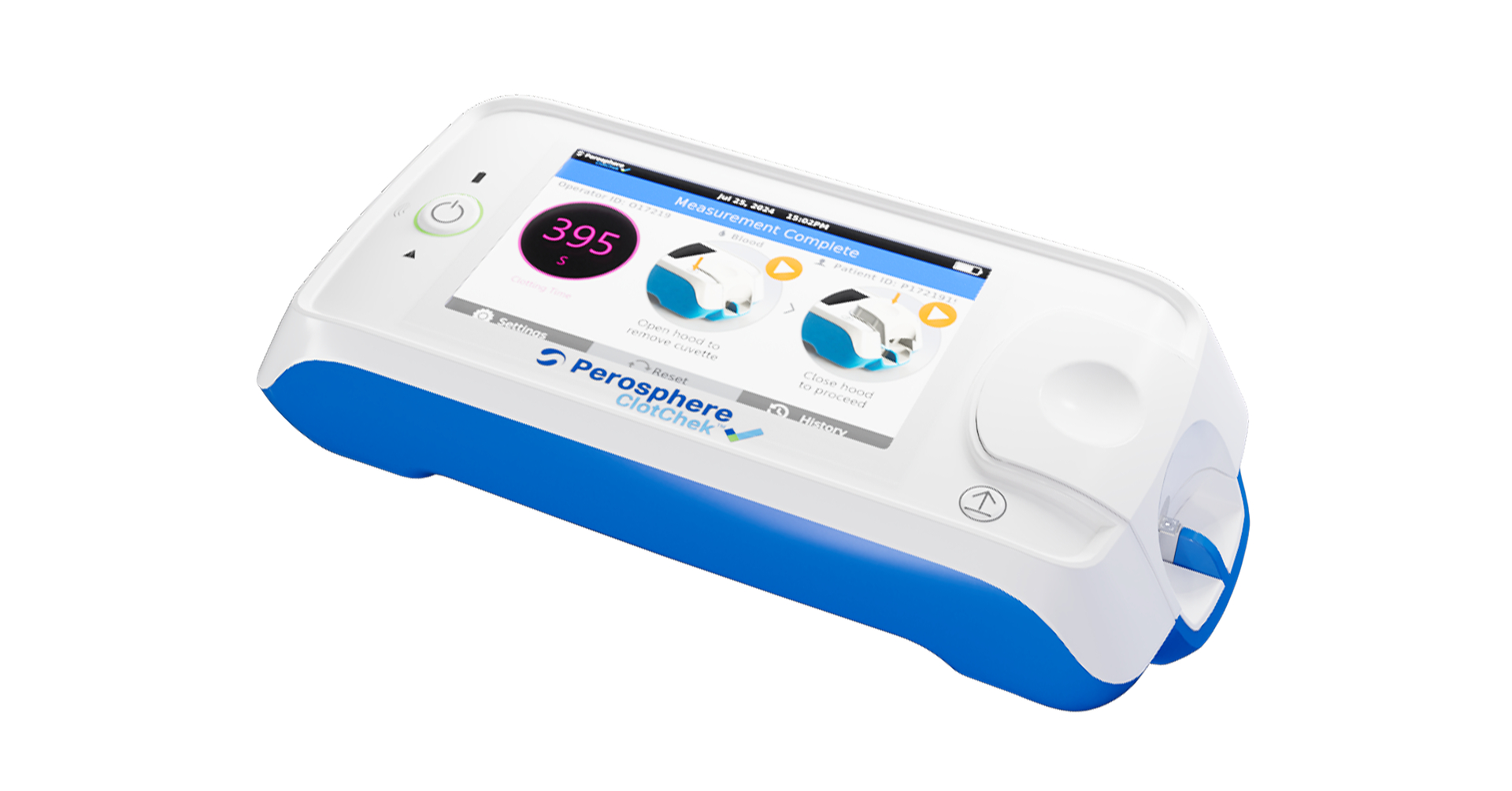
Perosphere Technologies reported peer-reviewed clinical validation of its ClotChek point-of-care coagulometer in patients taking apixaban and rivaroxaban. The device detected clinically meaningful anticoagulation at anti-FXa thresholds above 75 ng/mL and 30 ng/mL and delivers whole-blood clotting-time results in 3-8 minutes without reagents. ClotChek is CE marked in the EU but has not received FDA clearance in the U.S., limiting near-term commercial impact.
Analysis
No listed-company read-through is sufficiently direct to justify a trade. The publication de-risks clinical validity rather than commercialization: U.S. revenue remains contingent on FDA clearance, hospital workflow adoption, reimbursement, and evidence that rapid drug-level triage changes outcomes or costs versus central-lab anti-Xa testing. For a private diagnostics company, the most relevant public-market implication is modestly positive optionality for point-of-care testing incumbents, but only if the technology expands the testing market rather than displaces existing assays.
The nearer competitive pressure is on specialized coagulation-testing workflows used by hospital laboratories, not on anticoagulant manufacturers. Abbott (ABT), Danaher (DHR), Siemens Healthineers (SHL.DE), and Werfen/Instrumention Laboratory are better viewed as potential strategic acquirers, channel partners, or eventual competitors than as immediate losers; bedside testing could shift value from reagent-heavy central-lab assays toward instrument placement and disposable economics. A meaningful U.S. launch could also marginally improve emergency utilization of Factor Xa reversal agents—AstraZeneca's andexanet alfa economics are most exposed—but only if test results reduce empiric treatment rather than simply accelerate treatment decisions.
Consensus should resist extrapolating a correlation study into near-term diagnostic revenue. The critical 1-3 month catalyst is any disclosed FDA submission, breakthrough designation, reimbursement pathway, or hospital-site economic data; absent these, this remains non-actionable private-company validation. Over 6-18 months, a clearance paired with demonstrated reductions in door-to-procedure time or inappropriate reversal-agent use would create a real point-of-care coagulation category and likely prompt incumbent responses.
AllMind Terminal
AI-powered research, real-time alerts, and portfolio analytics for institutional investors.
Request TrialMarket Sentiment
Overall Sentiment
moderately positive
Sentiment Score
0.42
Key Decisions for Investors
- No directional position today: the issuer is private and the disclosed evidence does not establish a measurable revenue or earnings impact for ABT, DHR, SHL.DE, or AZN.
- Create an event-driven watch alert for Perosphere FDA submission/clearance and CMS or commercial reimbursement disclosures; reassess public read-through only when U.S. commercialization timing and per-test economics are available.
- Monitor AZN hospital utilization commentary for andexanet alfa: a demonstrated reduction in empiric reversal treatment after point-of-care adoption would be a modest medium-term headwind, while faster identification of clinically meaningful anticoagulation could be supportive. Falsifier is unchanged reversal-agent use across adopting sites.
- For diagnostics exposure, prefer existing broad platform leaders ABT or DHR over speculative category disruption; only consider a relative-value short thesis against central-lab coagulation suppliers if validated U.S. adoption shows substitution rather than incremental testing.
More News
- Vertex reports positive IgAN trial data, FDA decision due Nov. 30
- The real test for Moderna’s cancer vaccine isn’t about beating Keytruda. It’s keeping cancer from coming back in the long term.
- Elon Musk’s dangerous grip on outer space
- J&J prostate cancer drug shows promising tumor responses in early trial
- Ukraine Says Restrictions on Starlink Speed Have Been Lifted
- AI agents could disrupt bank deposits. Why Wall Street may be overreacting