
NACFE Research: Business Economics drive EV terminal truck adoption over sustainability goals
Source: PR Newswire
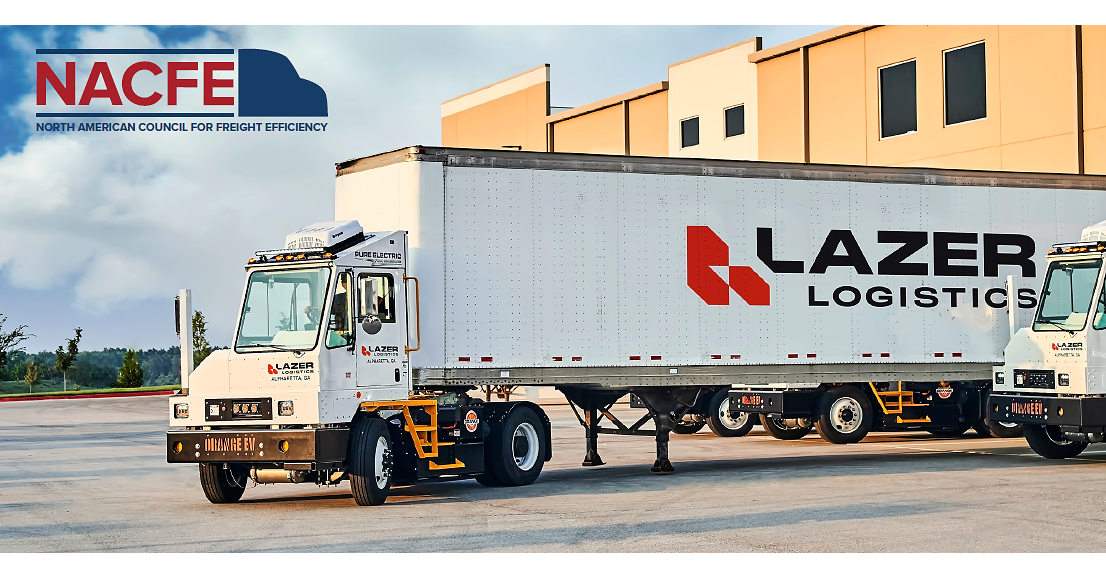
NACFE reports electric terminal tractors have moved beyond pilot programs, with 54% of surveyed fleet operators now in partial deployment or full standardization and 76% reporting operating-cost savings versus diesel. A fleet with nearly 10 years of comparative data cited roughly 50% lower maintenance costs per operating hour and 75%-95% lower energy costs, totaling more than $5 million in independently corroborated savings. The findings position yard tractors as a lower-risk entry point for broader commercial-fleet electrification, although the survey sample was limited to 62 respondents.
Analysis
This is directionally supportive for the commercial-EV ecosystem, but is not independently investable evidence: the sample is small, sponsor-linked, and measures self-selected operators rather than addressable unit orders. The nearer-term read-through is strongest for privately held Orange EV and therefore offers limited direct public-equity exposure; public OEMs such as CMI, PCAR and VLVLY have adjacent product and powertrain exposure, but yard tractors remain immaterial to consolidated earnings.
The more investable second-order effect is infrastructure pull-through. A standardized yard fleet converts charging from a pilot purchase into a site-power project, benefiting electrical-distribution and charging-equipment suppliers such as ETN, HUBB, PWR and ABB over a 6-18 month procurement cycle. Conversely, recurring diesel fuel, maintenance and parts spend is displaced at concentrated distribution centers, a modest negative at the margin for WCC/parts distributors and fuel-volume-linked logistics economics, though the addressable terminal-tractor fleet is too small to alter near-term estimates.
Consensus may over-extrapolate yard success to long-haul Class 8 adoption. Fixed routes, controlled dwell time, centralized charging and high utilization eliminate the constraints that still impair over-the-road economics; therefore this evidence should not materially change the earnings outlook for TSLA, RIVN or legacy heavy-truck OEMs. The relevant catalyst is whether fleet standardization produces disclosed multi-site charger awards and utility interconnection spend, not additional survey results or the October webinar.
AllMind Terminal
AI-powered research, real-time alerts, and portfolio analytics for institutional investors.
Request TrialMarket Sentiment
Overall Sentiment
moderately positive
Sentiment Score
0.62
Key Decisions for Investors
- No immediate directional trade in public EV OEMs: treat this as an adoption watch signal, not an earnings revision catalyst, given the private-market beneficiary and immaterial public-company revenue exposure.
- Set procurement alerts for ETN, HUBB, PWR and ABB over the next 1-3 months: upgrade to a tactical long only upon named multi-site depot awards, backlog commentary, or raised data-center/logistics power-distribution guidance; invalidate if charging projects remain single-site pilots or utility lead times defer installations beyond 2027.
- If a broader commercial-EV rally follows the report, consider fading high-beta long-haul EV exposure via a short RIVN versus long ETN pair for 3-6 months. The thesis is that depot electrification monetizes grid hardware before vehicle-volume economics; stop out if RIVN secures material binding commercial fleet orders with funded charging commitments.
- Monitor CMI and PCAR quarterly order commentary for electric terminal-tractor attachment rates and service revenue. A disclosed meaningful dealer-backed yard-EV rollout would challenge Orange EV's apparent specialization advantage and create a more liquid OEM long opportunity.
More News
- SoftBank shares jump over 7% after $11.1 billion bond issuance to fund OpenAI bet
- Why Trump banning diesel exports would upset the U.S. oil sector and upend global fuel markets — ‘the cure would be far worse than the disease’
- US aviation sanctions disrupt Iran flights, push travellers overland
- China Has Sensitive F-35 Parts Diverted to Hong Kong
- As Trump and Xi meet, Chinese automakers could be a Pandora's box for U.S. auto industry
- China Is Holding Sensitive F-35 Parts Diverted to Hong Kong