
Roofing Restoration Expert Travis Frees Explains Roof Repair vs. Replacement in HelloNation
Source: PR Newswire
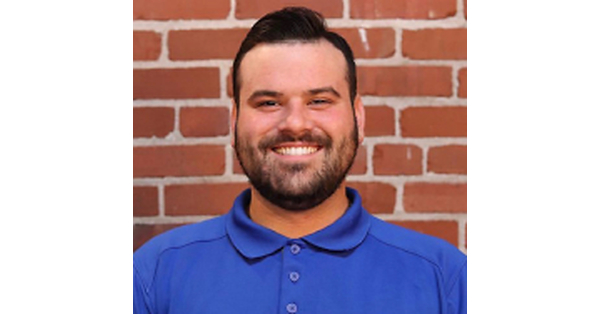
HelloNation published a homeowner advisory on deciding between roof repair and replacement, highlighting storm damage, granule loss, recurring leaks, ventilation issues, and roof age. The article notes that asphalt shingle roofs typically last about 20-25 years, while widespread deterioration or repeated leaks may make replacement more practical than ongoing repairs. This is localized informational content for Reading and Berks County, Pennsylvania, with no material market implications.
Analysis
There is no investable company-specific information here and no evidence of a change in regional repair volumes, insurance claims, housing turnover, or roofing-material pricing. A local promotional article is not a demand signal; treating it as one would risk over-interpreting routine homeowner education content.
The relevant market mechanism is conditional rather than current: a verified rise in Mid-Atlantic wind/hail claims can shift spend from patch repairs toward full replacements, increasing near-term volumes for roofing distributors and contractors while raising materials demand for asphalt shingles, underlayment, ventilation, and decking. Public proxies include Beacon Roofing Supply (BECN), TopBuild (BLD), Owens Corning (OC), and Builders FirstSource (BLDR), although the magnitude is typically immaterial unless damage spans multiple densely populated states or coincides with constrained contractor capacity.
Over 1-3 months, monitor NOAA severe-weather reports, Pennsylvania insurance-claim filings, BECN/BLD local market commentary, and OC roofing shipment/pricing data. The more important 6-18 month variable is homeowner insurance affordability: rising deductibles, coverage exclusions, or delayed claims settlement can suppress replacement conversion even after storm events, creating volume risk for distributors and installers. This is a watch item, not a trade catalyst.
AllMind Terminal
AI-powered research, real-time alerts, and portfolio analytics for institutional investors.
Request TrialMarket Sentiment
Overall Sentiment
neutral
Sentiment Score
0.00
Key Decisions for Investors
- No new position based on this item; maintain neutral exposure to BECN, BLD, OC, and BLDR until regional claims or shipment data confirm incremental demand.
- Create an event-driven alert: if NOAA reports a material hail/wind outbreak across Pennsylvania and adjacent high-density markets, evaluate a 1-3 month long BECN versus short BLDR pair. BECN has more direct repair/re-roof distribution sensitivity, while BLDR is more exposed to new residential construction; invalidate if insurer claim trends do not rise within 30-45 days.
- For existing OC exposure, monitor roofing price realization and shipment volumes at the next earnings update. A replacement-led demand pulse is constructive only if volume growth exceeds the offset from repair deferral and input-cost pressure; reduced roofing guidance would falsify the constructive read.
- Monitor insurance affordability through regional carriers and homeowners-insurance pricing data before adding housing-repair exposure. A sharp deductible or premium increase is a second-order bearish signal for discretionary replacement conversion despite elevated weather damage.
More News
- French police use tear gas and water cannons after some protests turn violent as shopkeepers board up storefronts across Paris
- Election posters, mass tourism and property: Israel’s footprint in Cyprus
- The world’s biggest producer of maple syrup has nearly exhausted its strategic reserves after Americans hoarded supplies ahead of Trump’s tariffs
- It’s not just France — Protesters are marching across Europe as part of the newly formed ‘Oct. 17 Movement’
- Nigeria’s missing: Families in the northeast still wait for answers
- The Aging Boomer Landlords: 5 Senior Housing REITs and What Their Yields Are Telling You