
RSPO RT2026 befasst sich mit den Bränden in Indonesien, dem einheitlichen Exportgate und der Einbeziehung von Kleinbauern.
Source: PR Newswire
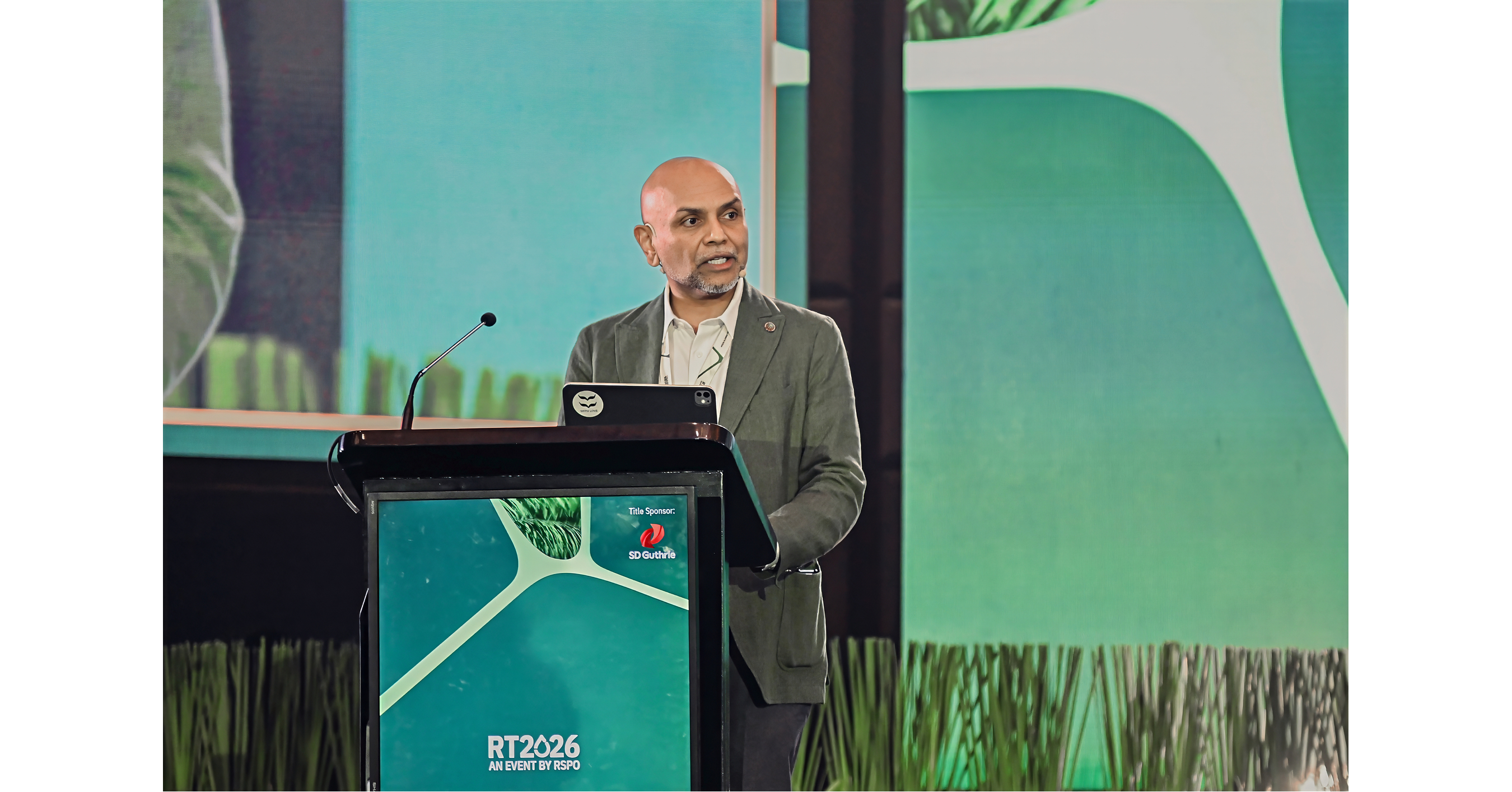
Preliminary satellite data presented at RSPO RT2026 found 14,500 hectares burned or affected by fire in RSPO-certified concessions from January to September 2026—about 0.8% of the 1.9 million hectares burned across Indonesia; no burned areas were identified in RSPO-certified independent smallholder plots. The event recognized 45 newly certified independent smallholder groups and highlighted a DSI intermediary model scheduled to launch in January 2027 to support export continuity and palm-oil traceability. The article presents these developments as supportive of sustainability and market access, while noting extensive fires nationwide.
Analysis
Internal view — certification evidence is not yet a supply or earnings signal. The fire comparison is not exposure-normalized: 14,500 hectares burned in certified concessions cannot establish lower fire incidence without certified-area denominators, consistent detection thresholds, and historical baselines. The claim that no certified entity intentionally set fires is also narrower than proof of zero operational or reputational risk. Treat this as an advocacy-stage data point until methodology and independent verification are available.
The more consequential second-order issue is DSI’s planned export-intermediation role from January 2027. If it improves traceability without disrupting execution, compliant Indonesian supply may gain buyer confidence; if it becomes an administrative chokepoint, delays or opaque allocation could widen regional price/basis dislocations and push buyers toward alternative origins or feedstocks. This is a policy and logistics risk, not evidence of a current supply shortfall.
For UL and NESN, credit purchases may support claims and help develop smallholder certification, but credits alone do not establish physical sourcing or traceability of their supply chains. No earnings benefit is demonstrated. Near term, the conference is unlikely to justify a valuation change. Over 1–3 months, watch for published DSI operating rules and buyer uptake; over 6–18 months, assess shipment continuity, traceability coverage, and whether certified supply expands. The contrarian risk is that investors overread favorable concession statistics while underweighting export-gate execution risk. No trade on this release alone.
AllMind Terminal
AI-powered research, real-time alerts, and portfolio analytics for institutional investors.
Request TrialMarket Sentiment
Overall Sentiment
mildly positive
Sentiment Score
0.15
Ticker Sentiment
Key Decisions for Investors
- No immediate position in UL or NESN: the credit-purchase recognition is not quantified financially and does not verify physical supply-chain exposure. Revisit only if either company reports measurable changes in sourcing coverage, costs, or supply assurance.
- Set a January 2027 catalyst watch on DSI’s operating rules: monitor clearance times, shipment volumes, traceability requirements, and any divergence between Indonesian and competing-origin pricing. Treat reported delays or opaque allocation as a bearish signal for Indonesian-dependent buyers and a potential relative benefit to alternative origins.
- Require exposure-normalized, independently validated fire data before pricing a certification premium into producers or consumer-goods names. The current comparison could be falsified as evidence of superior protection if area-adjusted fire incidence or subsequent audits show no advantage.
- Maintain a headline-risk alert for UL and NESN rather than a trade: material sourcing-cost or guidance changes, rather than RSPO credit acknowledgments, would be the trigger to reassess.
More News
- AI stocks plunge after election, driving down US markets
- Iran says tankers struck in Hormuz amid fears of new US attack
- The Iran war has cost U.S. households nearly $2,000 each. New strikes could keep the bill climbing
- Oil set for sharp weekly drop but Middle East supply concerns provide floor
- Toyota hikes annual outlook and unveils $89 billion shareholder return plan
- Gold Set for Biggest Weekly Gain Since August After US Midterms