
Trump’s Third Surgeon General Pick Advances to Full Senate Vote
Source: Bloomberg
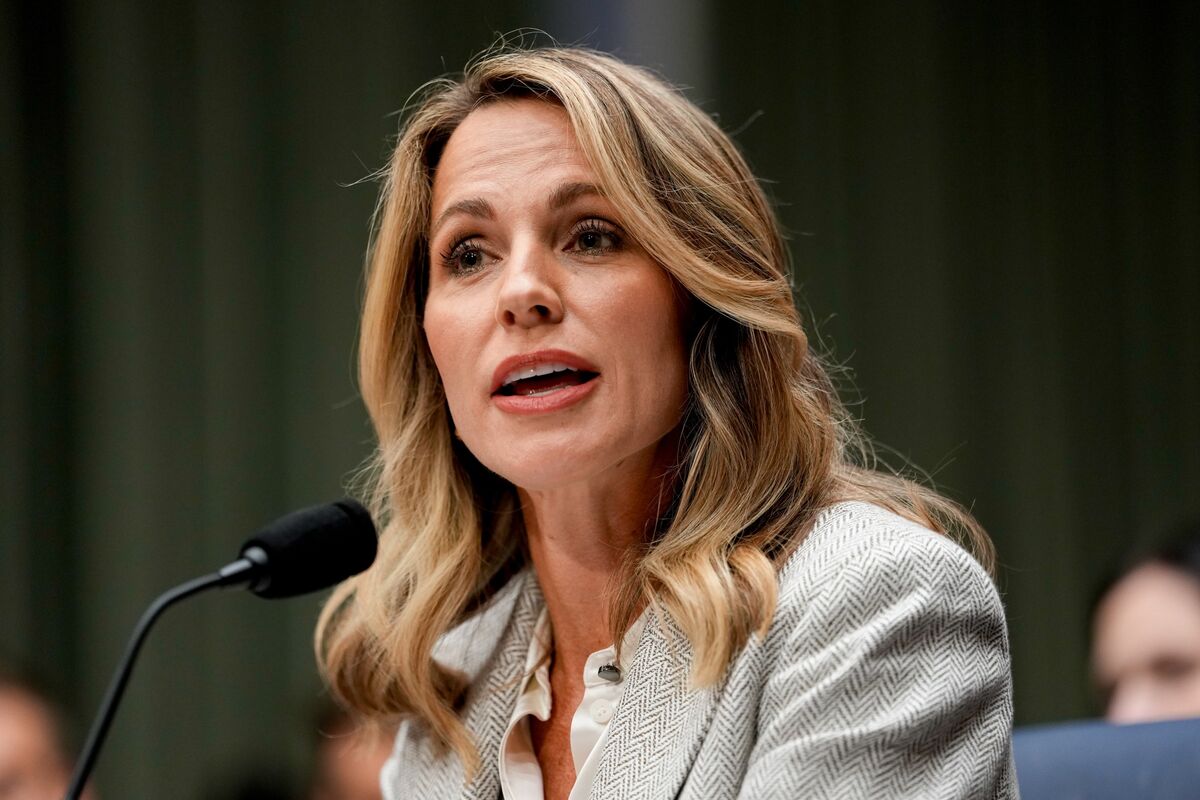
Nicole Saphier, President Donald Trump’s third nominee for U.S. surgeon general, advanced from the Senate health committee in a party-line vote and now moves to a full Senate vote. Her nomination follows Senate resistance to Trump’s two prior picks, Casey Means and Janette Nesheiwat. The confirmation process is politically notable but is unlikely to have a material near-term market impact.
Analysis
This is not yet a sector-level regulatory catalyst. The office is principally a communications and public-health agenda platform rather than a drug-approval, reimbursement, or enforcement authority; absent a stated policy program, managed-care, pharma, medtech, and hospital earnings assumptions should remain unchanged.
The investable implication is political optionality around preventive-care messaging, screening utilization, and chronic-disease policy, but those effects require alignment with HHS, CMS, FDA, or CDC actions. In the next 1-3 months, confirmation could modestly increase headline volatility in vaccine manufacturers and diagnostic names if public-health guidance becomes a political focal point, without creating a reliable directional revenue signal.
The contrarian view is that markets may overread the role as an immediate healthcare-policy lever. Material valuation consequences would require a subsequent CMS coverage decision, FDA posture shift, procurement action, or legislation; none is implied here. For the 6-18 month horizon, monitor whether the administration couples preventive-health rhetoric with reimbursement changes that could alter utilization economics for screening and diagnostics.
AllMind Terminal
AI-powered research, real-time alerts, and portfolio analytics for institutional investors.
Request TrialMarket Sentiment
Overall Sentiment
neutral
Sentiment Score
0.05
Key Decisions for Investors
- No standalone position recommended: the confirmation process has insufficient direct earnings or regulatory transmission to justify exposure in XLV, IBB, UNH, or major vaccine names.
- Set a policy alert for CMS preventive-screening coverage proposals or HHS guidance changes over the next 3-6 months; only then evaluate long diagnostic/utilization beneficiaries such as DGX and LH versus providers facing uncompensated-utilization risk.
- Avoid using vaccine names as a directional proxy until independently verifiable agency guidance emerges. A formal CDC recommendation change or federal procurement revision—not Senate confirmation—would be the thesis trigger.
More News
- In photos: China's Xi hardens Taiwan warning as country celebrates week-long National Day holiday
- California Gov. Gavin Newsom bans AI 'robo bosses' in landmark state law, reversing his earlier veto
- US judge approves settlement allowing Paramount to acquire Warner Bros
- Why is Nidec stock plunging today?
- Google rolls out Gemini 4 Argon, its most advanced AI model
- Exclusive-Anthropic’s IPO pitch embraces AI’s promise and peril