
New Report Reveals How Airports Can Successfully Scale Electrified GSE Fleets in 2027
Source: PR Newswire
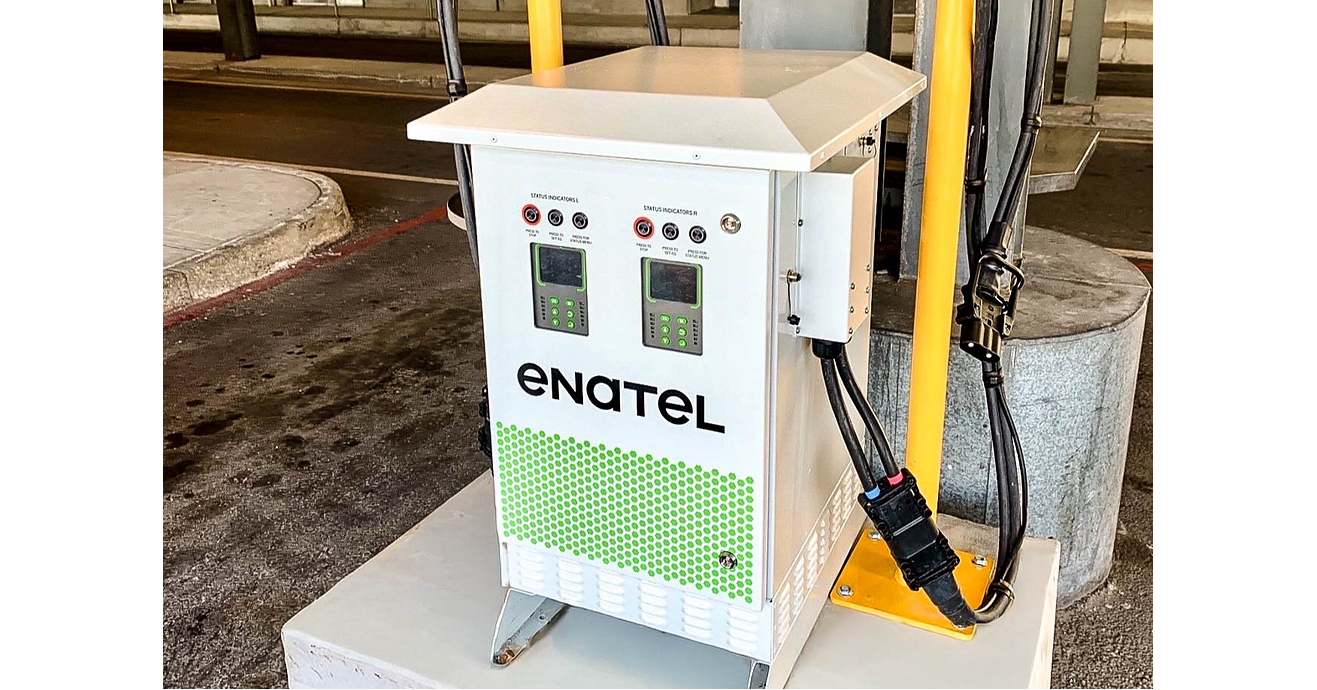
Enatel’s report says airport eGSE electrification is accelerating, with ~65% of airports planning to invest in electric GSE fleets over the next five years. The main bottleneck is infrastructure readiness: over 70% report inadequate charging infrastructure, especially power availability constraints at major hubs. The report cites potential peak-demand mitigation via battery energy storage systems, with savings of up to $10M for large US airports, and stresses early partner selection to scale without operational disruption.
Analysis
The investable takeaway is not "airport electrification" itself, but the shift in spending from visible chargers to less visible bottlenecks: switchgear, transformers, storage, controls, and commissioning. That favors the boring electrical-infrastructure complex over pure-play charging vendors, because the margin pool sits in power conditioning and project integration, not in the charger box. In practice, the first beneficiaries are likely companies with backlog, service revenue, and utility-facing relationships rather than speculative EV infrastructure names.
The main second-order effect is demand shaping. Airports cannot simply add load; they need peak shaving and interconnect solutions, so battery storage and energy-management software become the gating spend. That creates a 1-3 quarter lag between narrative and revenue recognition, but a 6-18 month setup where electrical OEMs and BESS suppliers can compound if airport capex plans move from pilot to framework contracts.
Contrarian view: the market may be overestimating conversion speed and underestimating operational friction. Airports will electrify incrementally, not all at once, and any charger downtime, utility delay, or budget freeze pushes decisions out rather than pulling them forward. If diesel prices soften or utility interconnect queues lengthen, the theme remains a planning exercise and the trade should be treated as a backlog/margin story, not a headline-driven ESG rally.
AllMind Terminal
AI-powered research, real-time alerts, and portfolio analytics for institutional investors.
Request TrialMarket Sentiment
Overall Sentiment
mildly positive
Sentiment Score
0.15
Key Decisions for Investors
- Long ETN / HUBB on pullbacks over the next 1-3 months: best positioned to monetize airport power-distribution, controls, and reliability spend; favorable if backlog and pricing hold, with downside if airport capex stays pilot-only.
- Small tactical long FLNC over 6-12 months as a BESS proxy: upside if airport microgrid projects start attaching storage; high-risk because project timing is lumpy and order conversion is the key validation point.
- Relative-value pair: long ETN, short CHPT for 3-6 months. Thesis is that infrastructure capex accrues to system integrators and electrical OEMs, while standalone charging exposure is more commoditized and sentiment-driven.
- Watchlist alert: require evidence of utility interconnect approvals or order backlog growth before adding to the theme. If airport-related orders do not show up in the next 1-2 quarters, fade the narrative trade.
More News
- One Singapore ship was sunk, but here's why others are still transiting the Strait of Hormuz
- Order to limit Starshield for Ukraine came from inside White House: Reuters reports
- BOE Chief Says Energy Shock Delays 2% Inflation Target
- Giant Taiwanese chipmaker TSMC confirms it’s in talks with Elon Musk to join ‘Terafab’ complex in Texas: ‘The AI market continues to be very strong’
- The Tesla Roadster 2 Is Here—and It Flies
- Suddenly, Wall Street is worried that the U.S. economy is more ‘vulnerable’ than it looks
From AllMind Research
- Anthropic IPO Preview: Valuation, Timing, and What to Watch
- Shein After the IPO: Venue, Valuation, and What Must Be Proved
- What AI Research Tools Should a Small Hedge Fund Buy First?
- Capital IQ Alternatives for Research and Deal Work
- Research Workflows, Report Format Selection, and Interactive Synthesis