
So much More Than $399 a Month: Why the 2027 VF 8 Deserves a Closer Look
Source: PR Newswire
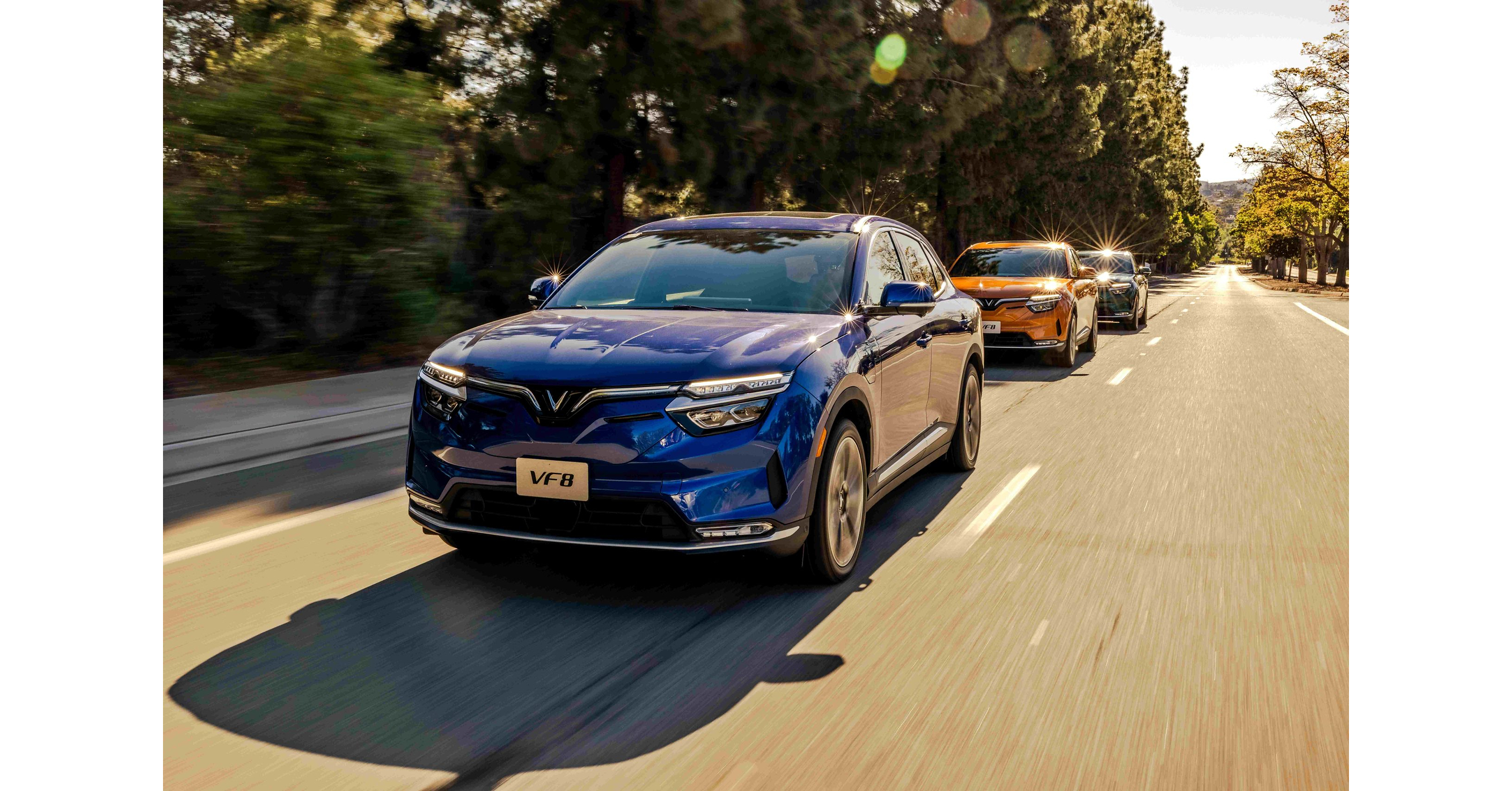
VinFast launched U.S. lease and financing offers for the 2027 VF 8 ECO, including a $399-per-month, 39-month lease with $3,250 down and 0% APR financing for up to 84 months. The electric SUV starts at $40,400, adds five ADAS functions, and is being positioned around estimated EV operating savings of $800-$1,000 annually versus comparable gasoline vehicles. The promotion supports VinFast's U.S. market penetration and dealership expansion, but is unlikely to materially affect broader EV-sector pricing.
Analysis
The relevant signal is not incremental feature content but the financing subsidy required to create a competitive monthly payment. A $399 lease with meaningful cash due at signing and 0% financing out to 84 months likely shifts economics from gross-margin generation toward volume support, residual-value risk, and captive-finance exposure. For VFS, the near-term market response could be favorable if it produces visible U.S. deliveries over the next 1-3 months, but investors should treat it as evidence of demand elasticity rather than proof of sustainable retail demand until lease penetration, incentives per unit, and dealer inventory days are disclosed.
The second-order pressure falls on EV peers already relying on subsidized lease payments—especially RIVN and LCID—rather than on Tesla, whose scale, financing capacity, and charging ecosystem give it more room to defend price. Aggressive sub-$400 SUV leases can also reset used-EV residual assumptions; that matters because higher expected depreciation raises future lease costs or requires larger OEM subsidies. Over 6-18 months, VinFast's ability to convert low-payment lessees into repeat buyers is contingent on service coverage, insurance costs, and residual performance, not reported owner-satisfaction averages.
Consensus may overread an accessible advertised payment as a demand inflection. The offer's economic cost is unknown, and the 10,000-mile limit plus upfront payment make effective monthly cost materially higher than the headline figure. A delivery spike accompanied by rising receivables, falling vehicle gross margin, or higher sales incentives would be a negative quality-of-revenue signal; conversely, stable incentives with sequential dealer throughput improvement would validate that the program is expanding the addressable customer base rather than clearing inventory.
AllMind Terminal
AI-powered research, real-time alerts, and portfolio analytics for institutional investors.
Request TrialMarket Sentiment
Overall Sentiment
mildly positive
Sentiment Score
0.34
Ticker Sentiment
Key Decisions for Investors
- No new directional VFS position on the release alone; use the next monthly delivery update and quarterly filing as the gating catalyst over 1-3 months. Upgrade only if U.S. deliveries accelerate while vehicle gross margin and inventory days remain stable; avoid if incentive expense or finance receivables rise faster than deliveries.
- For a tactical EV-relative expression, favor long TSLA / short VFS only after a VFS news-driven rally, with a 1-3 month horizon. The thesis is that Tesla can absorb lease-price competition more efficiently, while VFS bears disproportionate residual-value and financing risk; exit if VFS reports demonstrably improving unit economics or dealer throughput.
- Monitor RIVN and LCID lease advertisements and residual-value commentary through year-end. If either matches the payment level without offsetting cost reductions, reduce exposure or consider downside hedges ahead of earnings, as price competition would pressure already constrained gross-margin recovery paths.
- Set a VFS alert around quarterly disclosures: a sequential increase in U.S. deliveries without a deterioration in automotive gross margin, inventory, or receivables is the falsification condition for the bearish-quality-of-revenue view; absent those data, this remains a watch item rather than a fundamental long.
More News
- Nvidia Faces Questions Over China AI Chip Smuggling Cases
- $8.2B acquisition validates AI-picked chip stock: +20% since June
- Nike Warns Sales Slump Will Worsen This Fiscal Year
- Broadcom to lend Anthropic up to $42 billion to lease its chips, filing says
- Markets slip on dollar pressure, but this IT stock is up 10% today
- AI’s biggest players promise to police themselves at the White House
From AllMind Research
- Anthropic IPO Preview: Valuation, Timing, and What to Watch
- Shein After the IPO: Venue, Valuation, and What Must Be Proved
- What AI Research Tools Should a Small Hedge Fund Buy First?
- AI Tools for Private Equity Due Diligence: A Buyer Workflow
- Weekly Update: In-App Tutorials, Futures Data, and Watchlist Enhancements