
Confitex Technology wins INDEX Award and Hygienix Innovation Award for world-first washable nonwoven absorbent hygiene products
Source: PR Newswire
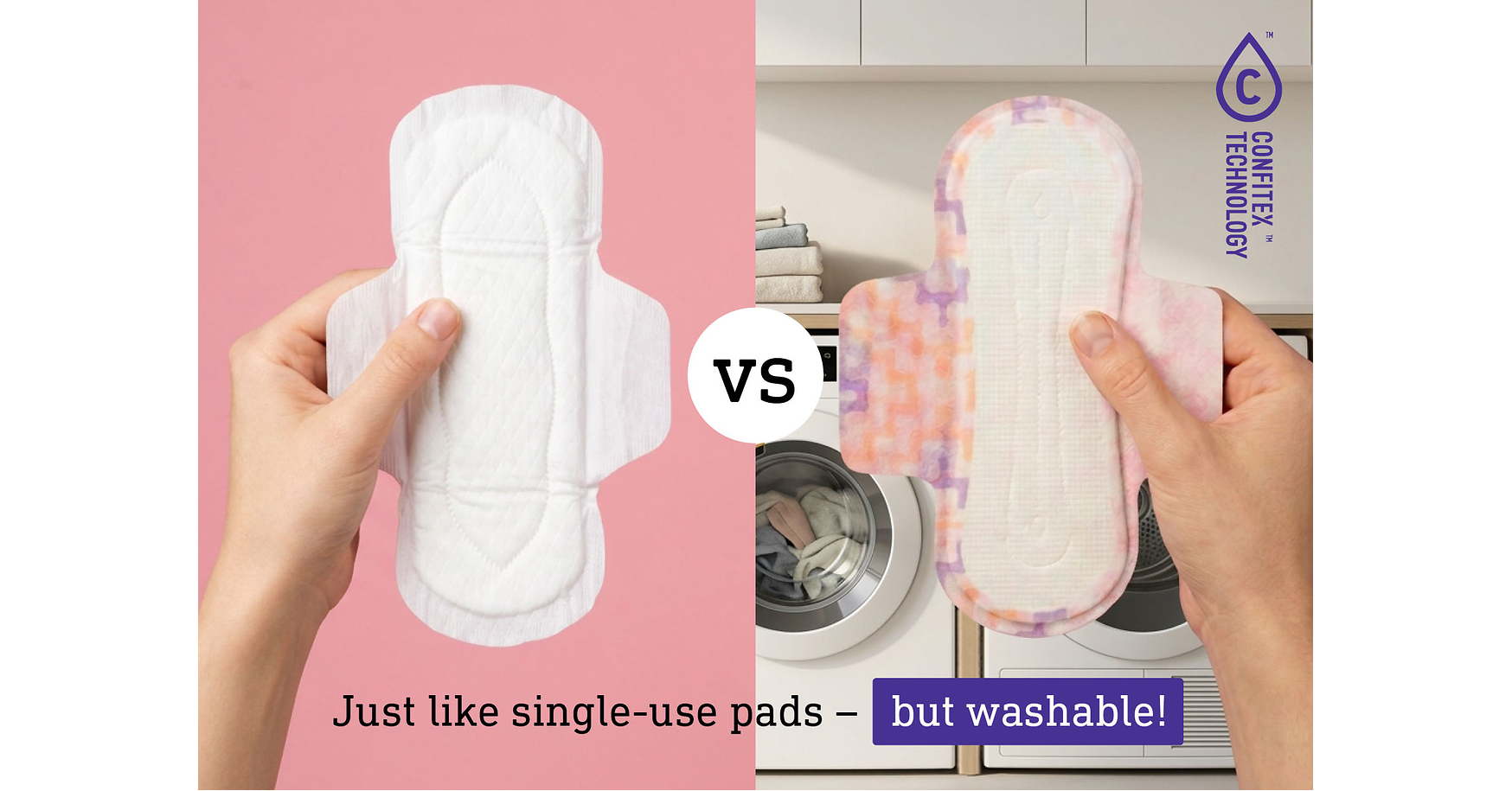
Confitex Technology won both the INDEX Award and Hygienix Innovation Award for washable nonwoven absorbent hygiene products that match or exceed disposable-product absorbency without petroleum-based superabsorbent polymers. Its products are up to 90% bio-based, and the company is pursuing retail and FMCG partnerships for European and North American expansion. The $123.5B global absorbent hygiene market has reusable products representing less than 15% but growing at a 6.89% CAGR, supported by European regulatory pressure against single-use plastics.
Analysis
The investable implication is not the award itself but whether washable nonwovens lower the adoption friction that has kept reusable hygiene concentrated in higher-income, niche channels. If private-label retailers can offer comparable performance at an acceptable upfront price, the first pressure point is likely store-brand mix and promotional intensity rather than a near-term volume shock to incumbents. P&G (PG), Kimberly-Clark (KMB), Essity (ESSITYB SS) and Ontex (ONTEX BB) retain substantial distribution, brand and disposable-convenience advantages; a meaningful category shift would require retailer shelf-space commitments and repeat-purchase data over several quarters.
ITRK has no disclosed economic exposure in the supplied information, so third-party testing should not be treated as revenue-bearing validation for the stock. The more relevant 6-18 month read-through is to suppliers exposed to superabsorbent polymers and disposable hygiene conversion: sustained adoption of SAP-free reusable formats could marginally reduce long-run demand growth for specialty absorbents while expanding demand for durable nonwovens, coatings and laundering-resistant converting equipment. This remains a low-impact signal until independently verifiable retailer launches, unit economics, manufacturing capacity and consumer repurchase rates emerge.
Contrarian view: sustainability regulation may accelerate trial but does not guarantee category profitability. Reusables reduce the recurring consumables revenue pool and can create retailer returns risk if wash durability, odor control or care convenience disappoint; incumbents can also neutralize the narrative through hybrid reusable/disposable portfolios. The thesis is falsified if major EU or North American retailers fail to expand assortment within 12 months, or if private-label pricing requires persistent discounts that prevent gross-margin parity with disposable alternatives.
AllMind Terminal
AI-powered research, real-time alerts, and portfolio analytics for institutional investors.
Request TrialMarket Sentiment
Overall Sentiment
moderately positive
Sentiment Score
0.58
Key Decisions for Investors
- No directional ITRK trade: maintain neutral exposure unless Intertek discloses a recurring testing, certification or quality-assurance contract tied to commercial rollout. An isolated laboratory validation is not a material earnings catalyst.
- Set a 3-6 month alert for announced private-label launches or named FMCG partnerships in Europe/North America, including pricing, minimum-volume commitments and production capacity. Those data are required before positioning against PG, KMB, ESSITYB SS or ONTEX BB.
- For consumer-staples books, monitor KMB and ONTEX BB as relatively higher sensitivity watch names: a retailer-led reusable rollout could pressure category volume expectations and promotional spend, but initiate shorts only after two consecutive quarters of measurable disposable feminine-care/incontinence share loss.
- Monitor SAP and nonwoven supply-chain disclosures over the next 6-18 months for changes in hygiene-grade volume growth and customer inventory behavior. A durable slowdown in SAP demand alongside expanding durable-nonwoven orders would support a structural rotation thesis; absent that evidence, treat the development as ESG narrative rather than earnings-relevant.
More News
- China's AI leaders keep quiet despite U.S. 'publicity' on tech risks
- Karin Rådström is steering Daimler Truck in a new direction as the world’s biggest truckmaker faces a growing challenge from China
- AWS says it can't restore service to Bahrain, UAE facilities 6 months after Iran strikes
- Factbox-How AI leaders and world governments react to ’AI doom’ fears
- Chinese investors rush into US stocks as Beijing opens wider path overseas
- ‘The end of the keyboard is near’: Christian Klein predicts voice translation will be the next workplace advantage