
Huawei i partnerzy branżowi wytyczają drogę transformacji od odbiorcy energii do prosumenta podczas 10. Globalnego Szczytu Efektywności Energetycznej ICT
Source: PR Newswire
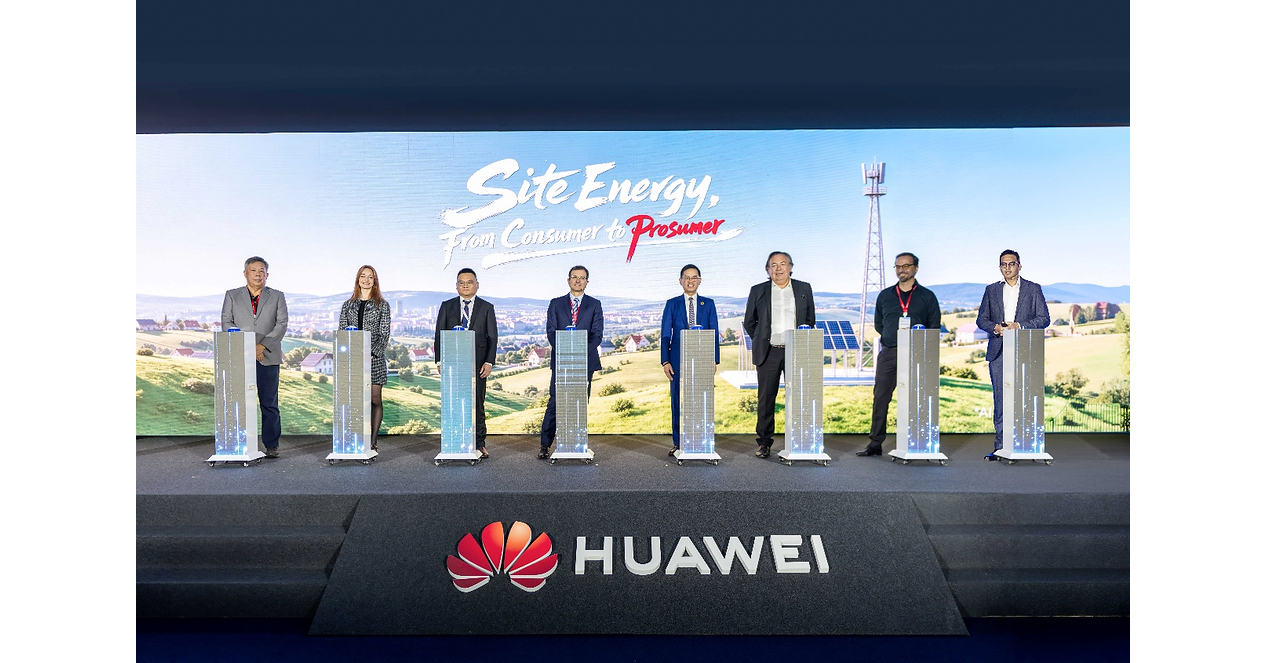
Huawei’s ICT energy-efficiency summit highlighted telecom-site virtual power plant deployments, which the article says deliver an average payback of about three years and roughly €800 in annual revenue per site in Europe; solar-plus-storage generation costs are reported below $0.04/kWh. Cited deployments include critical services maintained for up to 12 hours during a Portugal power outage and 86% of rural Southeast Asian sites operating for 24 months without diesel refills. Huawei also launched a global initiative to develop shared standards and business models for telecom operators to produce, store and trade energy.
Analysis
The investable value is less “telecom sites become power plants” than a contest over who captures flexibility revenue while preserving network uptime. The economics may favor aggregators and energy-management vendors that pool many small batteries; operators risk supplying the asset while intermediaries capture much of the market value. For tower companies and telecom operators, avoided diesel, outage resilience and lower power costs may matter more than trading income, but the article does not establish whether the cited €800 per site is gross or net, or how much capex and integration cost is required.
The central constraint is dispatchability: batteries committed to grid services cannot simultaneously be fully reserved for backup. Poor controls, weak market access or unfavorable price spreads could erase the projected payback. Standard interfaces and repeatable contracts—not AI claims alone—are the gating factors for scaling. The examples are promotional case studies, not proof of sector-wide returns.
Near term, this is not a broad telecom earnings catalyst. Over 1–3 months, watch for independently verifiable contracts, sites enrolled, net revenue after aggregator fees, and regulatory access to balancing markets. Over 6–18 months, falling storage costs and power-market volatility could improve the case, while falling volatility or tighter resilience requirements could weaken it. The contrarian point: the long-run strategic value may be real, but site-level trading revenue is likely too small to move operator valuations absent material fleet-wide deployment.
AllMind Terminal
AI-powered research, real-time alerts, and portfolio analytics for institutional investors.
Request TrialMarket Sentiment
Overall Sentiment
moderately positive
Sentiment Score
0.35
Key Decisions for Investors
- No immediate sector-wide trade: treat the announcement as a framework signal, not evidence of near-term earnings uplift.
- Monitor European flexibility aggregators, battery/energy-management vendors and telecom tower operators for disclosed, contracted deployments; favor evidence of net recurring revenue and operator-retained economics over pilot counts.
- Use a watchlist rather than a position until operators disclose capex, aggregator fees, battery utilization, backup-reserve limits and realized revenue per site. These are the key missing inputs to validate the claimed payback.
- Falsification: scale back the thesis if deployments stall, net returns after costs fall short of investment hurdles, or grid-service dispatch compromises uptime; strengthen it if multi-country contracts show repeatable economics while meeting backup requirements.
More News
- Jio’s Record $3.2 Billion IPO Puts India’s Market Muscle to the Test
- Australian data center operator NextDC's shares plunge 40% after it slashes earnings forecast
- Elon Musk says Tesla and SpaceX are weighing a $3.5 trillion merger—without him in the room
- Neoclouds Lose Silver Lining as Elice, CoreWeave Dive: Evening Briefing Americas
- Anthropic May Spend $750 Billion on Computing Costs, WSJ Reports
- This Janus Henderson fund manager owns CoreWeave debt — here's why he's sticking with it
From AllMind Research
- Anthropic IPO Preview: Valuation, Timing, and What to Watch
- Shein After the IPO: Venue, Valuation, and What Must Be Proved
- What AI Research Tools Should a Small Hedge Fund Buy First?
- Selecting an AI Research Platform for Institutional Investors
- Weekly Update: New Reporting Features and More Sources for Document Search