
Musk says SpaceX landed a $40 billion debt deal — and forecasts doom for some AI rivals
Source: MarketWatch
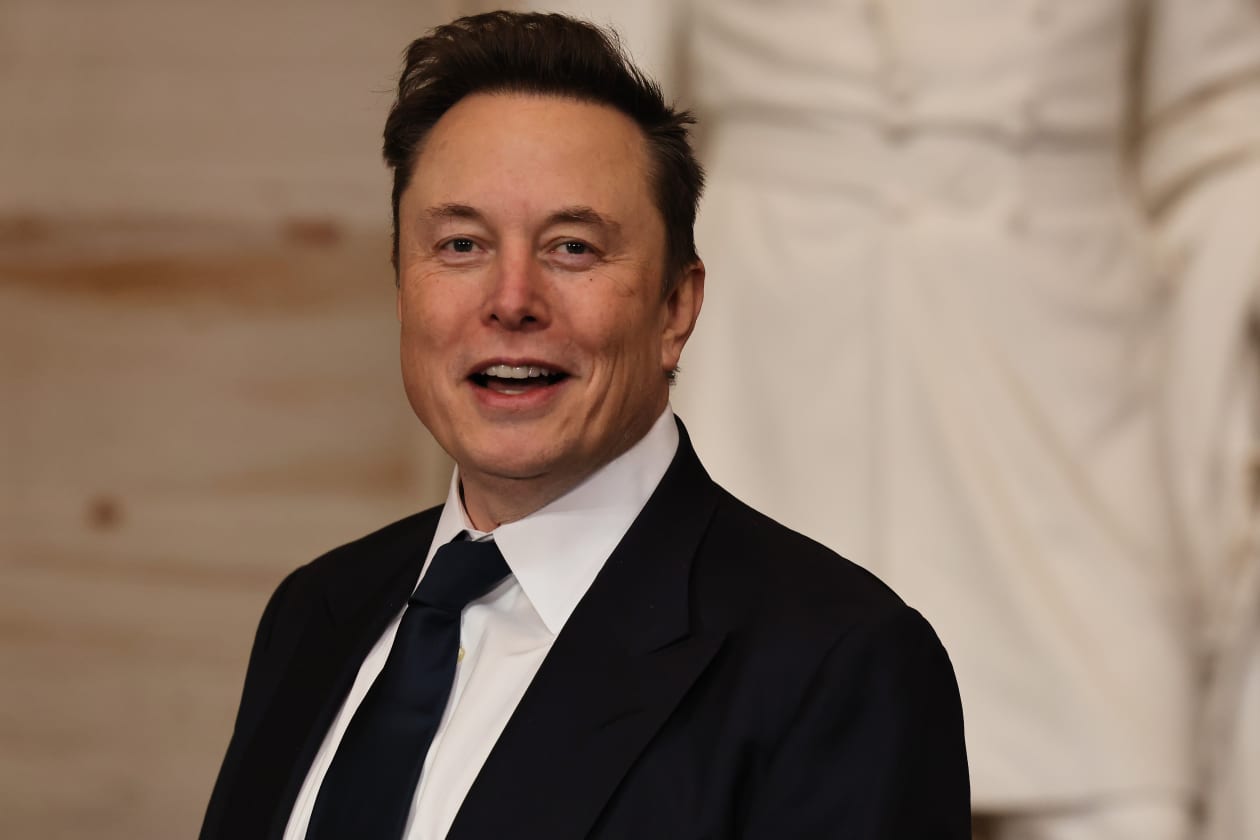
Elon Musk said SpaceX closed a $40 billion debt deal that will fund purchases of graphics processing units for its rapidly growing neocloud business, which rents AI-chip access to companies. The report also says Musk forecast doom for some AI rivals, but gives no further details or financing terms.
Analysis
The investment question is whether debt-funded GPU capacity can earn returns before the hardware and rental economics deteriorate. If deployed promptly and kept highly utilized, the build-out supports near-term demand for accelerator suppliers and may improve compute availability for AI developers. But it also adds fixed financing costs against utilization and rental prices that can move quickly; falling GPU-hour prices or delayed customer commitments would turn scale into operating leverage in the wrong direction. More capacity could pressure neocloud competitors’ pricing and returns, while benefiting AI users through cheaper compute. Treat Musk’s financing claim as unverified until lender participation, pricing, covenants, drawdown schedule, and maturity are independently confirmed. In the next 1–3 months, verify those terms alongside GPU delivery timing and contracted utilization; over 6–18 months, monitor realized rental rates and cash generation relative to debt service. The consensus may focus on the headline funding as a vote of confidence, while underweighting the risk that several providers add capacity faster than durable demand grows. The thesis weakens if deployments are delayed, utilization disappoints, or rental prices fall enough to impair returns; it strengthens if contracted demand and cash receipts demonstrate sustained high utilization.
AllMind Terminal
AI-powered research, real-time alerts, and portfolio analytics for institutional investors.
Request TrialMarket Sentiment
Overall Sentiment
mildly positive
Sentiment Score
0.25
Ticker Sentiment
Key Decisions for Investors
- Do not trade the financing headline alone. Put SPCX on a terms-and-deployment watchlist; confirm the debt is committed and funded, and establish whether it is secured, recourse, and subject to material covenants before sizing exposure.
- For a short-term thematic expression, consider a measured long NVIDIA position only if GPU orders and delivery schedules are confirmed; the key risk is that financing announcements fail to translate into near-term shipments or that AI infrastructure demand softens.
- Track neocloud rental rates, utilization, and customer concentration across SpaceX and competitors such as CoreWeave and Nebius. A sustained fall in rental pricing alongside continued capacity expansion would favor reducing neocloud exposure; improving contracted utilization would argue against that view.
- Reassess over the next 1–3 months on verified financing terms, GPU deployment, and customer commitments, then over 6–18 months on cash generation versus debt service. Avoid a direct credit-spread or options position until the debt instrument and its terms are identifiable.
More News
- SpaceX closes $40 billion debt deal for AI chips, Elon Musk says
- Here are 4 big things we're watching in the stock market this week
- More pain may be coming for the AI trade. Why I’m not giving up on it
- Musk Says SpaceX Closed $40 Billion Debt Deal, Blasts Neoclouds
- Does enough capital exist to finance everyone’s ambitious AI spending plans?
- SpaceX coverage network designs draw Wall Street's eye. Here's what analysts think
From AllMind Research
- AllMind Platform Feature Updates - Fall 2026
- AI Credit Covenant Monitoring: From Clause to Review
- AI-Led Expert Interviews vs. Transcript Libraries
- How to Use AI for an Initiating Coverage Report
- The Great Divergence: North American Banking at the Crossroads of Monetary Policy and Agentic AI (Q4 2025 Bank Earnings)