
Nearly Half Of Adults In The United States Want More Protein
Source: PR Newswire
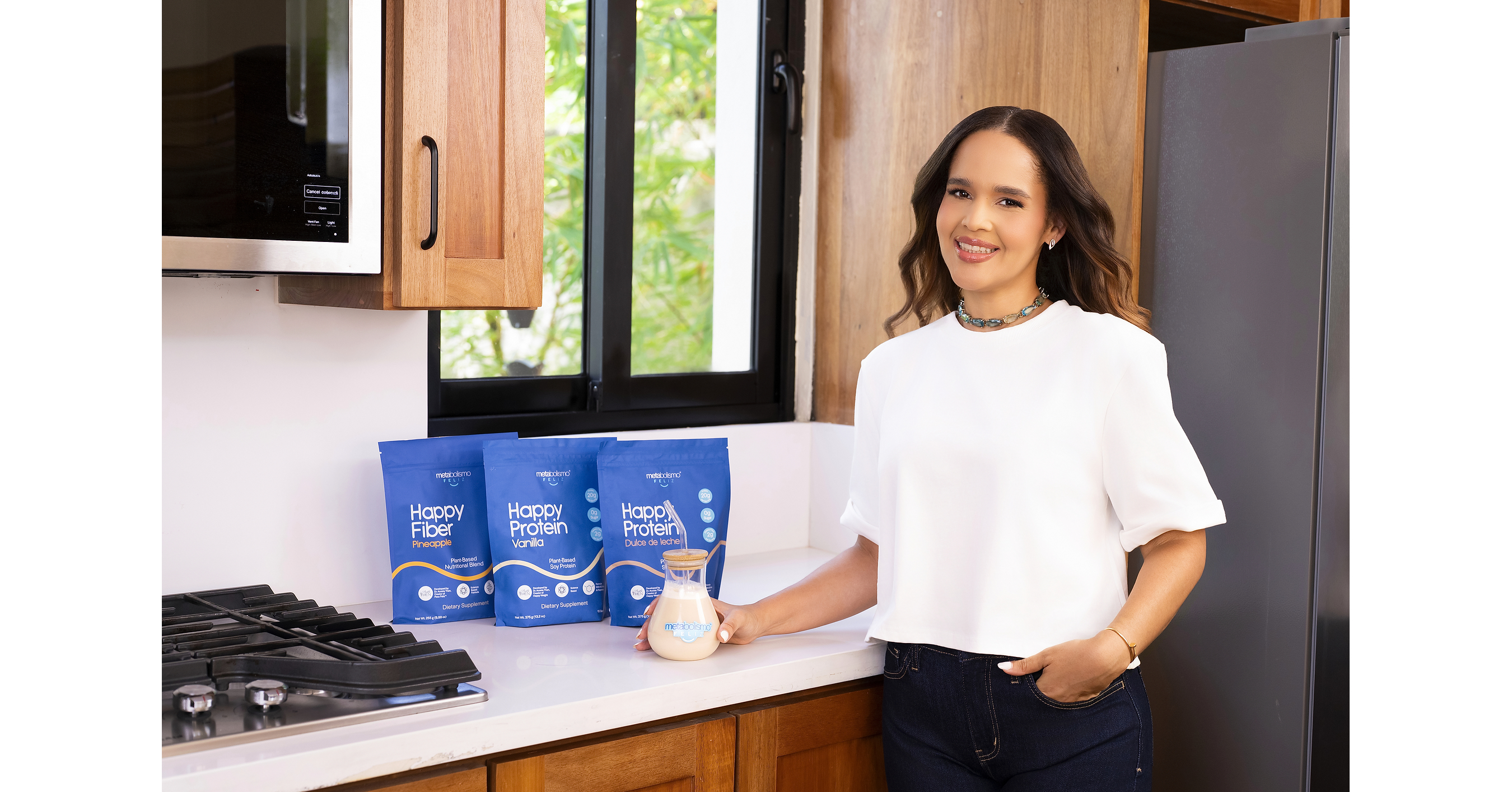
Happy Protein launched in the U.S., citing Circana’s finding that 48% of American adults want more protein. The soy-based supplement provides 20 grams of plant protein, 2 grams of fiber and 0 grams of sugar per serving; the brand says it underwent three years of development and is positioned as GLP-1-friendly. It is available through Amazon and the brand’s online channels.
Analysis
Investment read-through is limited: this is a brand launch, not evidence of incremental category demand or a material threat to scaled nutrition companies. The plausible edge is positioning—physician-founder credibility and GLP-1-adjacent messaging may improve customer acquisition among consumers seeking convenient protein. But Amazon availability also means low barriers to entry and potentially high dependence on paid placement, reviews, and repeat purchase. Soy sourcing creates no meaningful moat; customer retention and contribution economics matter more than the broad protein-demand statistic.
The second-order opportunity for established nutrition players is category validation, while the risk is that GLP-1 users’ lower appetite and product tolerance constrain serving frequency. The phrase “GLP-1-friendly” should be treated as marketing, not a demonstrated clinical benefit; substantiation or regulatory scrutiny could limit that positioning. Over 1–3 months, watch for pricing, ratings, ranking, and repeat-purchase evidence. Over 6–18 months, the thesis only becomes relevant to public equities if the brand demonstrates scale or larger incumbents expand comparable offerings. No mapped public company or security is identified, and the release provides no sales, pricing, or distribution data; there is no defensible single-name trade today.
AllMind Terminal
AI-powered research, real-time alerts, and portfolio analytics for institutional investors.
Request TrialMarket Sentiment
Overall Sentiment
mildly positive
Sentiment Score
0.20
Key Decisions for Investors
- No trade on the launch alone. Do not infer revenue upside for public nutrition companies from a broad consumer-interest statistic or one early-stage brand announcement.
- Set a 1–3 month monitoring alert for Amazon ranking, realized price/promotions, review quality, and evidence of repeat purchase. Weak traction despite paid visibility would falsify the consumer-acquisition thesis.
- Revisit the category trade only if independent evidence shows sustained GLP-1-user demand and scaled distribution; verify product-level sales, retention, and whether “GLP-1-friendly” claims have clinical substantiation before underwriting a premium.
More News
- Marvell to buy Lumentum in $115 billion deal in AI data-center bet
- Palantir reports booming U.S. commercial revenue growth, topping government for first time
- Anthropic releases amended IPO prospectus with third-quarter financials
- Coinbase has been battered over the past month. Morgan Stanley says steer clear
- The AI boom is facing another supply crunch. This time it’s the amount of capital available to feed Silicon Valley’s endless need for cash
- Anthropic to Spend $895 Billion in the Years Ahead