
BRUCE BOLT EXPANDS ITS MULTI-SPORT PORTFOLIO, LAUNCHING GAME-CHANGING FOOTBALL SKILL GLOVE AND TACKIFIED ARM SLEEVE
Source: PR Newswire
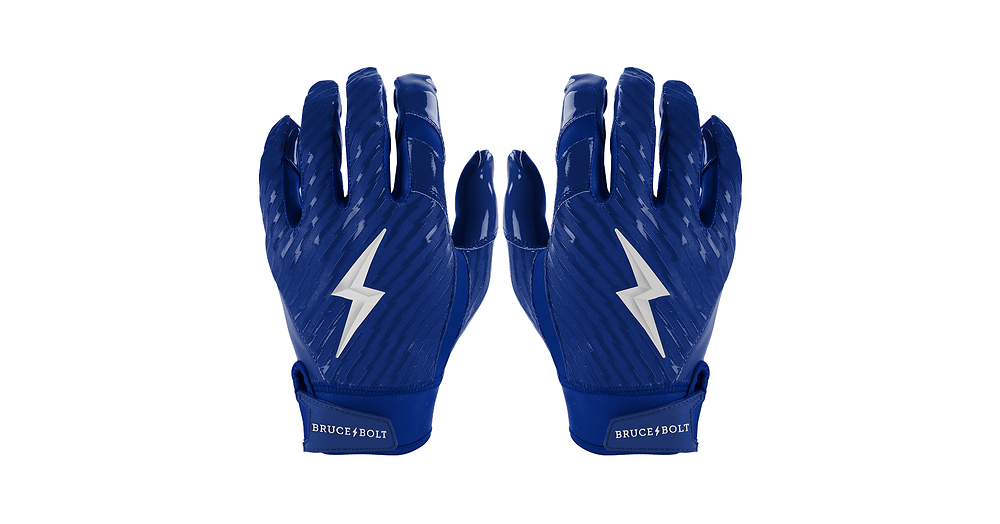
BRUCE BOLT will enter the football-equipment market on October 12, 2026 with its BOLTGRIP SYSTEM, comprising a $65-$85 skill glove and a $60-per-pair tackified arm sleeve. The company says the sleeve is the first SFIA-approved tackified football arm sleeve, while the grip material extends from the glove palm to the forearm and bicep. The launch expands BRUCE BOLT beyond baseball, softball and golf into football, targeting a large youth-to-professional participation market.
Analysis
This is privately held-brand marketing rather than an investable earnings catalyst; no direct public-equity trade is warranted. The relevant read-through is that premium youth/team-sports equipment remains capable of supporting price points well above commodity accessories, favoring differentiated brands with direct-to-consumer distribution and athlete-led social acquisition rather than mass-market private-label suppliers.
The potentially disruptive element is not the glove but the sleeve: if sanctioned-league acceptance proves broad, it could create a new high-margin accessory category and shift spend from traditional compression brands. That remains unproven because SFIA approval is not necessarily equivalent to uniform adoption across state associations, youth leagues, or NCAA/NFL enforcement; any ambiguity around permitted tackification could rapidly impair sell-through and generate returns.
Over the next 1-3 months, the key validation is launch sell-through, replenishment rates, and whether retail/channel partners emerge beyond the brand's own site. Over 6-18 months, established football-equipment vendors—principally Nike (NKE), Under Armour (UAA), and Dick's Sporting Goods (DKS) through its private-label and team-sales channels—could replicate the form factor quickly if demand is real, limiting the entrant's ability to sustain premium pricing. The contrarian view is that durability and fit claims alone rarely overcome incumbent distribution, team contracts, and seasonal purchasing cycles; social buzz among recruits is a weak proxy for broad consumer conversion.
Watch for state-association guidance before the 2027 football purchasing cycle, independent product testing, and evidence of repeat purchases rather than influencer seeding. A broad regulatory restriction on tackified sleeves, elevated return rates, or promotional discounting after the initial launch would falsify the premium-category thesis.
AllMind Terminal
AI-powered research, real-time alerts, and portfolio analytics for institutional investors.
Request TrialMarket Sentiment
Overall Sentiment
moderately positive
Sentiment Score
0.42
Key Decisions for Investors
- No immediate position: the issuer is private and the stated impact is too small to justify a public-market proxy trade.
- Create a 1-3 month watchlist on NKE, UAA, and DKS for football-accessory category commentary, team-sales demand, and gross-margin signals; treat verified category growth as modestly positive for DKS retail throughput but potentially competitive for NKE/UAA accessory share.
- Do not short incumbents on launch publicity. Consider a tactical long DKS only if October-November channel checks show incremental football-accessory sell-through without promotional intensity; exit on evidence of discounting or league-rule restrictions.
- Set an alert for NFHS/state-association or NCAA equipment-rule clarification on tackified sleeves ahead of the 2027 season; broad approval would increase copycat risk for NKE/UAA, while restriction removes the only differentiated category-creation angle.
More News
- Japan’s corporate leaders sound alarm over weak yen — even dollar-earners are voicing concerns
- Hong Kong Leader Unveils Five-Year Plan
- Why is Weichai Power stock rallying today?
- What to know about US Federal Reserve’s first interest rate hike in 3 years
- Investors react to Fed hike and market sell-off: Brace for 'higher for longer' rates
- Trump calls Canada's potential EU associate membership 'laughable,' warns Europe of 'very heavy tariffs'
From AllMind Research
- Anthropic IPO Preview: Valuation, Timing, and What to Watch
- Shein After the IPO: Venue, Valuation, and What Must Be Proved
- What AI Research Tools Should a Small Hedge Fund Buy First?
- Selecting an AI Research Platform for Institutional Investors
- Weekly Update: New Reporting Features and More Sources for Document Search