
Ascentiz presenta H + K en IFA 2026, mostrando la primera plataforma de exoesqueleto modular del mundo
Source: PR Newswire
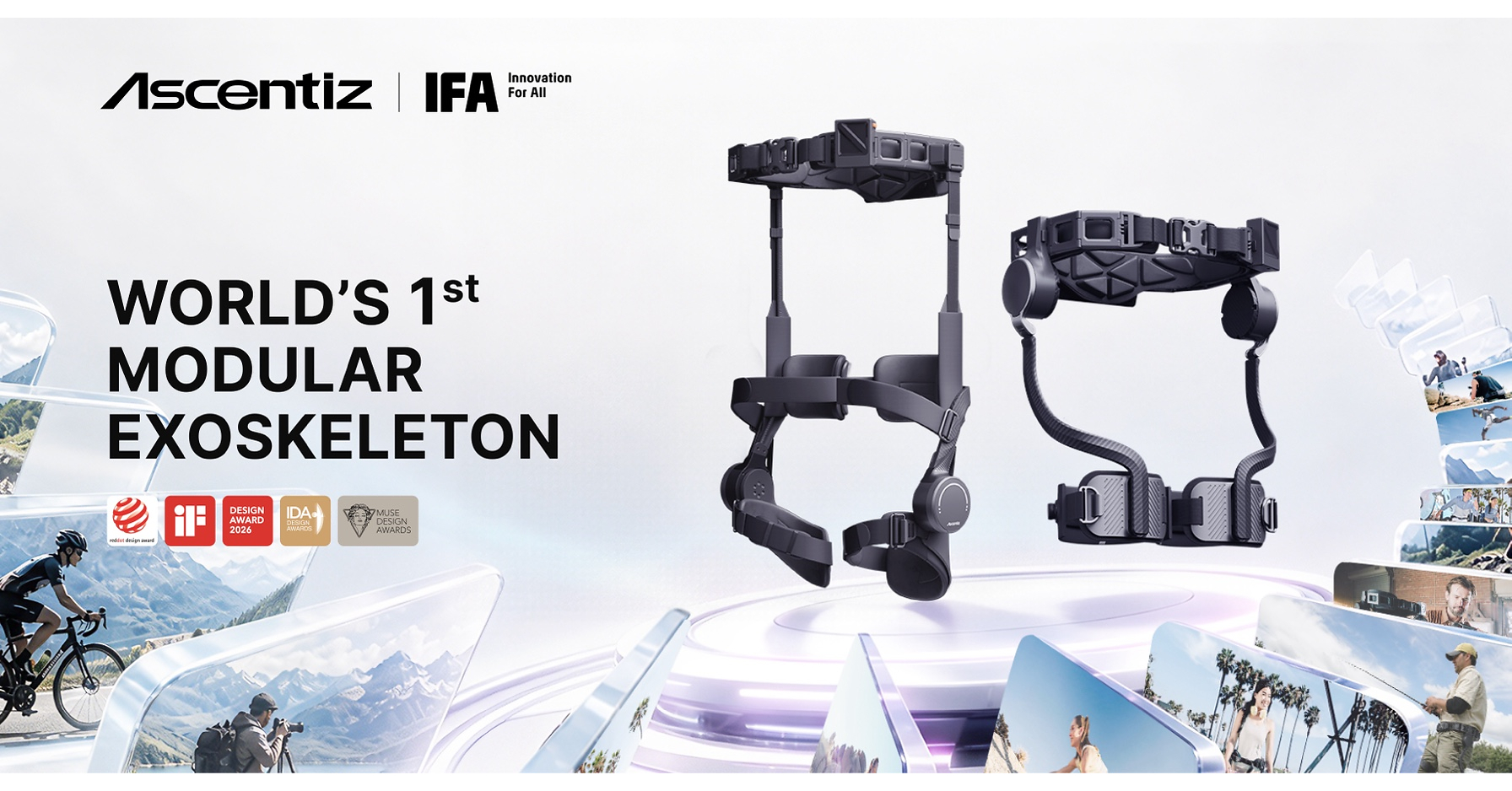
Ascentiz presentó en IFA 2026 sus módulos de exoesqueleto modular H y K, con un “Exo-Belt” compartido y software abierto BodyOS para escalar mediante actualizaciones. Precios anunciados: Ascentiz-H desde 1.599 € (Pro) hasta 2.299 € (Ultra) y Ascentiz-K desde 2.399 € (Pro) hasta 2.999 € (Ultra); las combinaciones H+K van de 3.599 € (Pro Combo) a 3.999 € (Ultra Combo). El enfoque modular con liberación rápida y propulsión de cadera (H) y asistencia adaptativa de rodilla (K) sugiere una propuesta de producto más flexible, aunque el impacto inmediato en mercado se considera limitado.
Analysis
The investable signal is not the launch itself, but whether this becomes a platform with repeat purchases. A modular architecture can raise lifetime value if the base unit becomes the installed base and future modules/software become the monetization layer; that is the bullish path over 6-18 months. The bear case is that standardization plus an open software layer turns the hardware into a commodity and shifts pricing power to whoever controls certification, app ecosystem, and motion data.
Near term, this is mostly a sentiment event with limited fundamental proof. The 1-3 month catalyst is hands-on feedback from IFA, preorder velocity, and any evidence that the knee module meaningfully expands the addressable use case beyond enthusiasts. If real-world weight, battery life, comfort, or noise are subscale, the category will re-rate down quickly because consumer exoskeletons are still novelty-sensitive and replacement cycles are unproven.
Second-order effects matter more than the product line item: a credible open platform could pull in third-party module makers, sensors, batteries, and embedded-control vendors, while putting pressure on integrated exoskeleton peers that rely on closed systems. But the open-source angle also raises cybersecurity, data governance, and liability friction; that can slow adoption in healthcare, enterprise, and regulated rehab channels even if consumer interest improves. The contrarian view is that the market may overrate 'open' as a moat — in wearables, openness often accelerates imitation faster than it creates lock-in.
AllMind Terminal
AI-powered research, real-time alerts, and portfolio analytics for institutional investors.
Request TrialMarket Sentiment
Overall Sentiment
mildly positive
Sentiment Score
0.35
Key Decisions for Investors
- No direct public-equity trade today; treat this as a watch item until independent reviews confirm runtime, comfort, and adoption. Reassess after IFA coverage and any verified preorder data.
- Set a tactical alert on EKSO for sympathy volume. Only consider a small long if the stock gaps and holds on elevated turnover for 2-3 sessions; thesis is category-validation beta, not direct product overlap.
- Monitor wearable-component suppliers with motion-control exposure (e.g., STM, ON) for channel chatter over the next 1-3 months. Any real design-win commentary would be a cleaner read-through than the launch headline.
- If BodyOS attracts third-party development into 2026, prepare a relative-value short basket against closed-platform assistive-tech names; the trade works only if the ecosystem stays open and hardware margins compress.
- Falsifier: if availability slips materially beyond 2H26 or reviewers flag poor ergonomics, fade any sympathy rally and assume the market is pricing a platform premium too early.
More News
- Wall Street’s Nasdaq hits all-time high as AI frenzy gathers pace
- Data-Center Bet Makes ESDS One of India’s Best New Listings
- Asia stocks ride tech wave higher, oil stays subdued
- South Korean solar stocks jump as curbs on Chinese sector expected to remain in place
- Trump Says US Team Met With Iranians at UNGA
- U.S. regulators rush to write crypto rulebook after Clarity Act stalls in Senate