
Century Lithium eyes chlor-alkali plant as independent revenue driver, Noble says
Source: proactiveinvestors.com
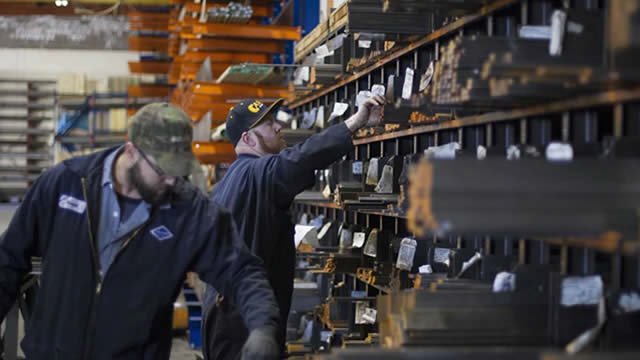
Century Lithium is advancing plans for a commercial-scale Western U.S. chlor-alkali merchant plant that could operate as an independent revenue-generating asset alongside its longer-term lithium and critical-minerals strategy. The facility would produce chlorine, hydrochloric acid and sodium hydroxide using sodium chloride, water and electricity, according to Noble Capital Markets.
Analysis
The strategic value is not the potential chemical revenue in isolation; it is whether an integrated chlor-alkali operation lowers Century Lithium's reagent cost and de-risks the operating model for its future lithium project. Hydrochloric acid and caustic soda are meaningful consumables in many lithium-processing flowsheets, so captive supply could improve project-level margins and reduce exposure to Western U.S. chemical logistics. That benefit is only credible after disclosure of plant scale, power pricing, capital cost, chlorine offtake, and the degree to which output is internally consumed versus sold externally.
Merchant chlor-alkali economics are constrained by the co-product balance: caustic soda can be shipped economically, while chlorine is expensive and hazardous to transport, making local contracted demand essential. A plant without firm chlorine offtake can be forced to run below capacity or discount caustic pricing, turning a purported diversification asset into an additional capital and execution burden. Established operators Olin (OLN) and Westlake (WLK) have integrated downstream demand and distribution networks that a standalone entrant would lack.
Near term, this is unlikely to alter LCE valuation absent a bankable feasibility study, binding power agreement, permitting roadmap, and customer contracts. Over 6-18 months, credible third-party engineering and contracted offtake could reduce perceived lithium-project execution risk and support a rerating; conversely, incremental capex before lithium financing is secured would likely increase dilution risk. The contrarian view is that investors may assign value to a second business line before establishing that it earns returns above the cost of power, debt, and equity capital.
AllMind Terminal
AI-powered research, real-time alerts, and portfolio analytics for institutional investors.
Request TrialMarket Sentiment
Overall Sentiment
mildly positive
Sentiment Score
0.25
Ticker Sentiment
Key Decisions for Investors
- No standalone LCE long on this development: treat as a diligence trigger, not a revenue catalyst, until management discloses commercial capacity, total capex, expected power cost, and binding chlorine/caustic offtake.
- For existing LCE exposure, maintain a small, venture-style position only; reassess if estimated combined chemical and lithium funding needs imply material equity issuance before definitive project financing. Dilution, rather than chemical demand, is the primary 1-3 month equity risk.
- Set an alert for a feasibility study or definitive power/offtake announcement. A credible contract covering a majority of chlorine output and power pricing that supports positive merchant margins would be a catalyst for adding; an announced plant commitment without these items is a reduce/sell signal.
- Do not short OLN or WLK on competitive concerns. Any prospective Western merchant capacity would be immaterial versus incumbent scale unless LCE demonstrates contracted local demand and a materially lower delivered-cost position.
More News
- Oil falls on report Asia will import highest volume of crude since start of Iran war
- Trump evalúa prohibir exportaciones de diésel de EE.UU.
- SoftBank shares jump over 7% after $11.1 billion bond issuance to fund OpenAI bet
- Gold steadies after selloff as oil, strong U.S. data lift Fed hike bets
- A US Diesel Export Ban Would Be a Calamity for the Market
- Iran floats conditions for Hormuz reopening as Trump says deal could come after midterms