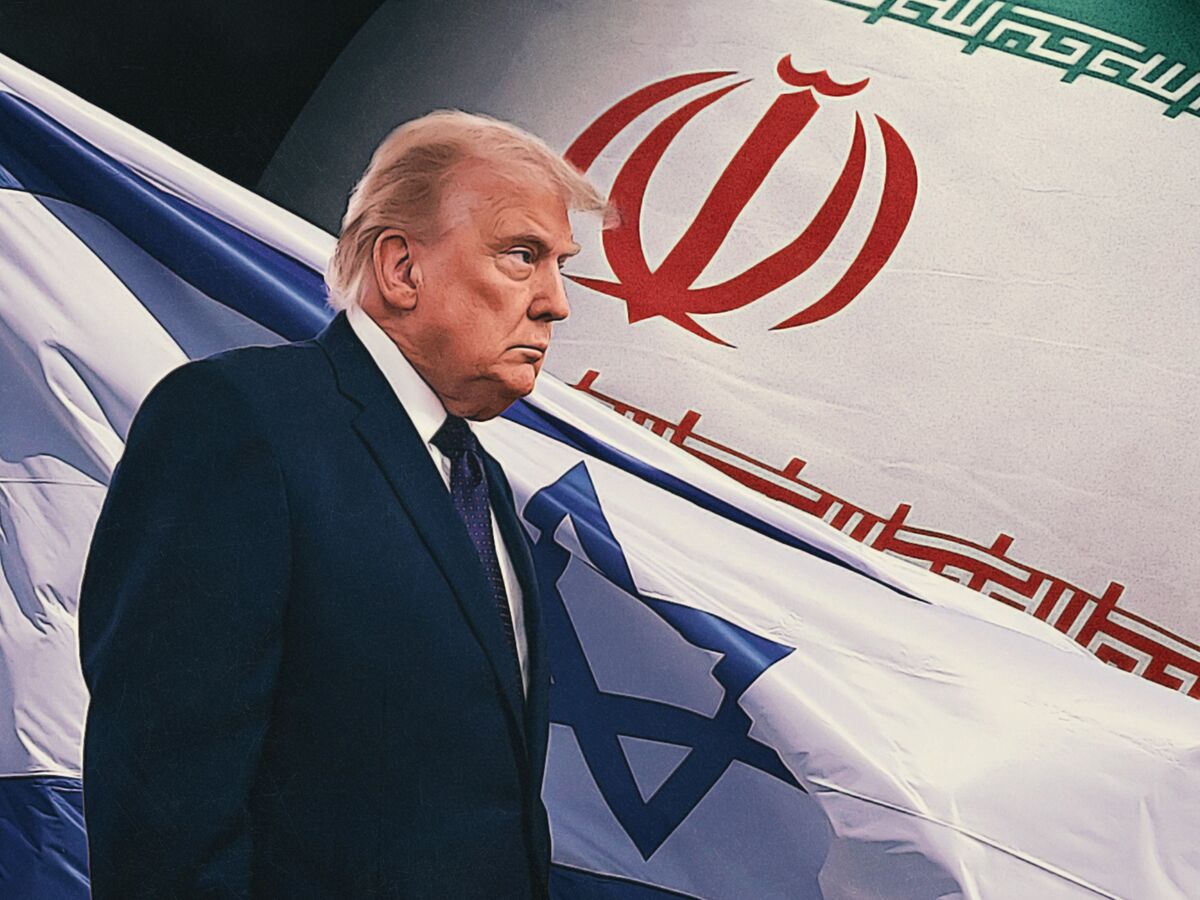
Iran and Israel agreed to conditionally halt strikes after a flare-up of violence threatened to derail peace negotiations and prompted Donald Trump to call for de-escalation. The article also notes that Israeli strikes in southern Lebanon may continue and that Tehran warned of "much harsher and more crushing actions" if bombings persist. The escalation/de-escalation dynamic keeps regional geopolitical risk elevated and could affect energy, defense, and broader risk sentiment.
The key market implication is not direction of the next headline but the collapse in probability-weighted tail risk. When a regional conflict moves from escalation to managed restraint, the first beneficiaries are assets tied to global growth expectations rather than obvious defense names; crude risk premium, shipping insurance, and EM FX volatility tend to mean-revert faster than consensus expects, often within days if follow-through headlines stay calm.
The second-order effect is on supply chains and capital allocation: even a temporary de-escalation reduces the urgency of precautionary inventory builds in Europe and Asia, which can quietly pressure freight, air cargo, and input-cost hedges. Defense spending as a theme does not disappear, but the short-term incremental bid for munitions, sensors, and hardening contractors likely pauses, while the beta trade is into lower energy volatility and tighter credit spreads.
The main risk is that this is a tactical pause, not a regime shift. If strikes continue in adjacent theaters or rhetoric re-accelerates, the market can reprice a higher geopolitical floor quickly; the reversal window is days, not months. The better base case is that the immediate downside in risk assets is limited, but the upside from de-escalation is also capped unless diplomatic channels show durable enforcement over several weeks.
Consensus may overstate the durability of the easing because markets often treat any ceasefire language as binary, while the more important variable is whether retaliatory capacity is actually reduced. If the conflict remains localized, the bigger move may come in under-owned cyclical exposures that benefit from lower energy and volatility, not in the headline defense complex. That makes this more of a volatility-selling event than a pure directional long-defense story.
AI-powered research, real-time alerts, and portfolio analytics for institutional investors.
Request TrialOverall Sentiment
moderately negative
Sentiment Score
-0.35
