
Oil Gains as Iran Ramps Up Pace of Attacks on Tankers in Strait
Source: Bloomberg
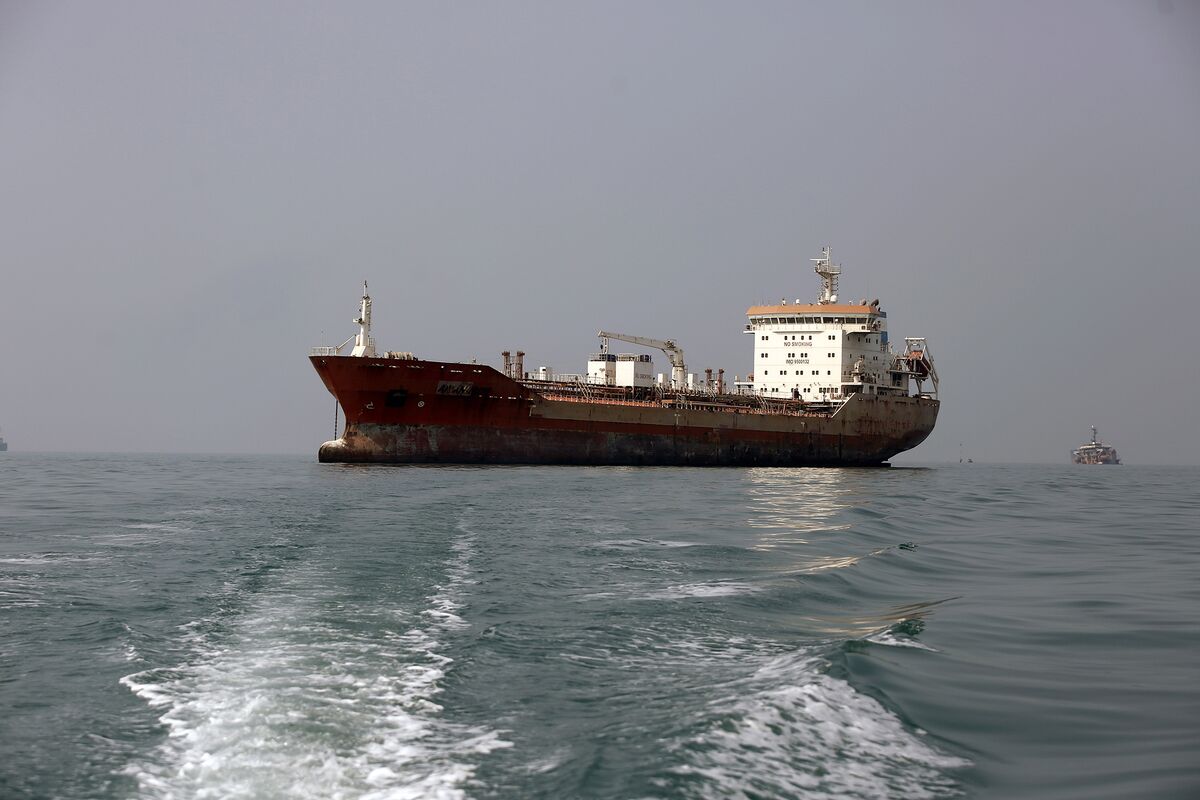
Oil prices gained as Iran increased the pace of attacks on tankers transiting the Strait of Hormuz, raising geopolitical and shipping-security risks. The article gives no price change or attack count.
Analysis
Hormuz risk is asymmetric: a sustained interruption to flows could reprice crude, freight and war-risk insurance quickly, while attacks without material flow disruption may leave the oil premium vulnerable to reversal. The key signal is not the incident count but tanker transits, loading schedules and insurance costs. Near term, energy producers may benefit from higher crude, while airlines, refiners dependent on imported crude, and transport operators face margin pressure; the relative winners depend on their ability to pass through fuel and freight costs. Over 1–3 months, rerouting, OPEC+ supply response or diplomatic de-escalation could cap prices. Over 6–18 months, a persistent risk premium would accelerate supply-chain diversification and raise inventory and working-capital costs.
HSBC job cuts are not automatically bearish: without the scale, affected business lines and restructuring charges, they may indicate cost discipline rather than deteriorating revenue. For TSLA, a vehicle showcase is not evidence of robotaxi approval, fleet deployment or unit economics; treat it as a sentiment catalyst, not a change to the commercial thesis. The contrarian risk is overpaying for an oil shock before confirming physical disruption, while underestimating how quickly insurance and freight costs can transmit even if crude supply remains available.
AllMind Terminal
AI-powered research, real-time alerts, and portfolio analytics for institutional investors.
Request TrialMarket Sentiment
Overall Sentiment
mildly negative
Sentiment Score
-0.25
Ticker Sentiment
Key Decisions for Investors
- Energy risk: consider a small, defined-risk Brent call spread only if tanker-transit data, loadings or war-risk premiums show sustained deterioration; avoid chasing a headline-driven crude spike without physical confirmation. De-escalation or stable flows falsify the setup.
- Monitor relative exposure across producers versus fuel-sensitive transport and refining businesses; do not assume all energy equities benefit equally. Reassess on material changes in crude differentials, freight rates and company fuel-cost guidance.
- HSBC: no directional trade on the reported cuts alone. Verify headcount reduction, restructuring costs, targeted divisions and any change to expense guidance; cost savings without revenue or credit-quality deterioration would weaken the bearish read.
- TSLA: do not capitalize the Paris showcase as a near-term earnings catalyst. Revisit only with verifiable regulatory milestones, deployment timing and economics; absent those, any event-driven rally is vulnerable to fading.
More News
- US stock market hits all-time high as investors bet big on AI
- Moment Energy and its shipping containers packed with old EV batteries
- Wall Street says Elon Musk's Terafab talks with TSMC could spell bad news for Intel
- SpaceX stock is taking off again, but with one key difference this time
- Economic Secretary to the Treasury speech for UK Digital Assets Week
- Copart stock hits 52-week low at 26.72 USD