
HSBC Earnings: Profit Jump and $1 Billion Buyback Fall Short of Investors Hopes
Source: Bloomberg
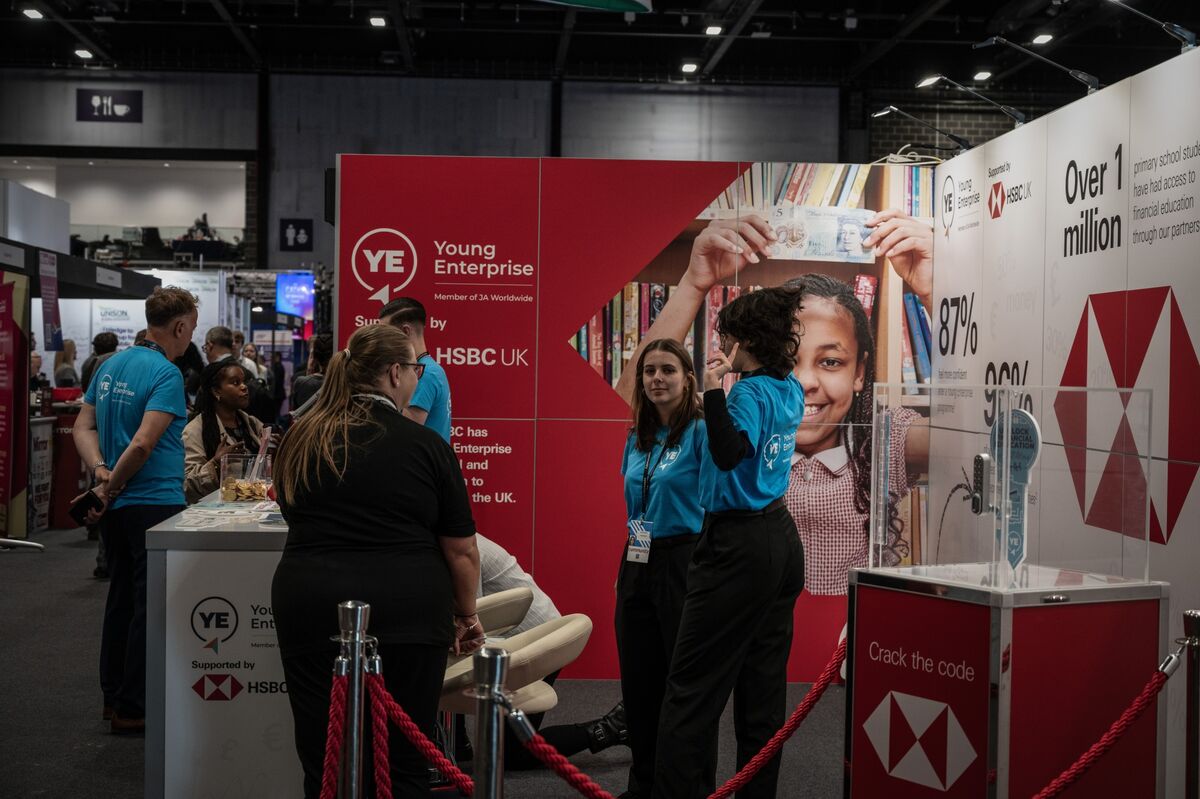
HSBC reported a 32% increase in quarterly profit and announced a $1 billion share buyback, but results fell short of investors’ high expectations for stronger earnings growth. The article also notes gilts are looking like a safer bet, without providing further detail or market moves.
Analysis
The market reaction is about the earnings bar, not the direction of reported growth: when expectations are elevated, a buyback may cushion near-term demand but cannot substitute for evidence that earnings are repeatable. The key read-through is whether the shortfall reflects a temporary item or weaker recurring income, credit quality, or capital generation; the article does not provide enough detail to distinguish these. Verify the earnings bridge, guidance, credit-cost outlook, and buyback execution before treating the result as a change in HSBC’s medium-term trajectory.
Over the next few days, expectation resets and positioning may outweigh the headline profit increase. Over 1–3 months, revisions to recurring earnings and capital returns should determine whether the underperformance persists. Over 6–18 months, rate movements, credit losses and activity in HSBC’s major markets matter more than a single quarter. The contrarian risk is that investors are over-penalizing a beat-versus-bar miss despite strong absolute earnings; conversely, the buyback could distract from deteriorating underlying metrics. No company-specific valuation or peer comparison is supplied, so avoid asserting relative cheapness.
AllMind Terminal
AI-powered research, real-time alerts, and portfolio analytics for institutional investors.
Request TrialMarket Sentiment
Overall Sentiment
mildly negative
Sentiment Score
-0.20
Ticker Sentiment
Key Decisions for Investors
- Do not chase HSBC on the reported profit growth or buyback alone. If holding an overweight, consider reducing into any relief rally until the earnings bridge and guidance confirm recurring earnings and capital generation.
- Treat a short HSBC position as a watch item rather than an immediate recommendation: consider only if guidance or subsequent data show weaker recurring income, rising credit costs, or reduced capital returns. Reassess if those metrics remain sound and the shares stabilize after the expectations reset.
- For the next 1–3 months, track HSBC’s earnings revisions, credit-cost outlook, and buyback execution; these are the likely tests of whether the miss is a one-quarter sentiment event or a durable de-rating catalyst.
- A rates-driven allocation to gilts is a separate duration decision, not a direct hedge for HSBC equity risk. Size it against the portfolio’s rate exposure and reassess if inflation or central-bank pricing shifts materially.
More News
- Tech's relief rally extends as attention turns to tough decisions for the Fed
- HSBC Had a Lot of Good to Say But Investors Punish Earnings Miss
- Anthropic Mega IPO Filing Renews AI Trade Optimism
- HSBC Announces $1 Billion Buyback After Profit Growth Misses
- HSBC reports third-quarter pretax profit in line with estimates on net income boost
- HSBC’s third-quarter profit jumps 32%, launches buyback of up to $1 billion