
Huawei představila vylepšené řešení Stellar Intelligent Network pro Evropu v duchu filozofie „Bezpečné a inteligentní připojení"
Source: PR Newswire
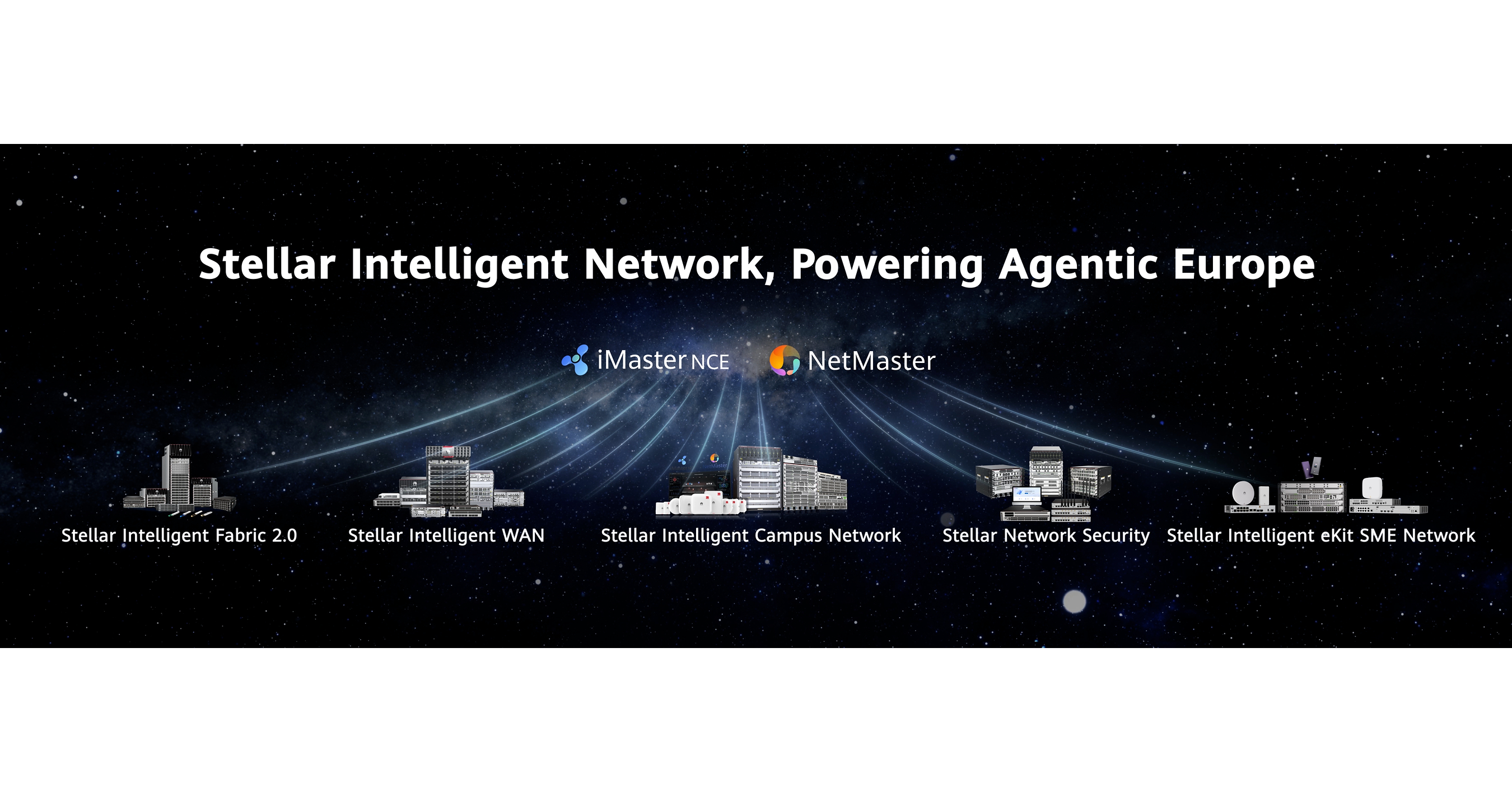
Huawei unveiled an upgraded Stellar Intelligent Network for Europe, claiming its data-center fabric can increase network scale fourfold while cutting switches and optical modules by 30%; its WAN solution can reduce private-line costs by 60%. Campus-network features are said to cut wireless interference by 84% and reduce 10 Gbps network TCO by more than 30%, alongside security and AI-enabled operations upgrades. Huawei also introduced higher-end eKit products for SMEs and a three-level energy-saving framework; the article reports company claims but no sales, customer adoption, or financial impact.
Analysis
The announcement is a competitive pricing signal, not yet evidence of share gains: Huawei’s performance and cost claims are vendor-reported, and the release provides no deployments, customer wins, or independently validated economics. If realized, lower network capex and better utilization could pressure enterprise networking vendors’ pricing and make network upgrades easier to justify alongside AI infrastructure. The offset is that higher utilization may defer some capacity purchases, limiting the hardware upside even as AI workloads expand. Bundled security and operations features could also squeeze standalone tools, but only where buyers accept Huawei as a trusted supplier.
Europe is the key constraint. Cybersecurity and sovereignty scrutiny can restrict addressable public-sector and critical-infrastructure demand, so the products may compete more readily in less sensitive enterprise and SME segments. A launch alone does not resolve procurement, support, or compliance concerns. In the next 1–3 months, watch for named European customer deployments, independent validation of TCO claims, and procurement or regulatory signals; over 6–18 months, sustained adoption would matter more than product specifications. Cisco, Arista Networks, and HPE face potential enterprise pricing pressure; Nokia and Ericsson are less direct competitors in campus networking. No immediate trade is justified without evidence of wins or competitor guidance changes. The thesis weakens if European restrictions tighten or buyers reject Huawei on security grounds; it strengthens if reference customers validate savings and adoption reaches regulated markets.
AllMind Terminal
AI-powered research, real-time alerts, and portfolio analytics for institutional investors.
Request TrialMarket Sentiment
Overall Sentiment
mildly positive
Sentiment Score
0.35
Key Decisions for Investors
- No trade on the press release alone. Treat claimed cost, performance, and security metrics as unverified until supported by customer deployments or independent testing.
- Put Cisco, Arista Networks, and HPE on a relative-pricing watch list: revisit exposure if European deals or earnings commentary show Huawei-led discounting, and avoid shorting solely on product-launch claims.
- Track European procurement rules, security certifications, and named customer wins over the next 1–3 months; these are the gating catalysts for whether Huawei can convert product capability into addressable demand.
- Monitor networking vendors’ order growth, gross-margin commentary, and AI data-center demand over 6–18 months. Persistent discounting without volume growth would falsify the view that the launch is merely competitive noise.
More News
- Why did CoreWeave stock get crushed this week? Look to this corner of the debt market for clues
- AI stock sell-off ramps up over debt-fueled data center spending fears: ‘Full-blown crisis of confidence'
- Dow falls 189 points as AI stocks slide and oil prices surge
- Wall Street Anxiety Spreads as AI Rout Meets $110 Oil Shock
- Wall Street's fear gauge is ripping. Traders see it going even higher
- All the news about the iPhone Duo