
New Book Helps Physicians Navigate the Changing Landscape of Retirement
Source: PR Newswire
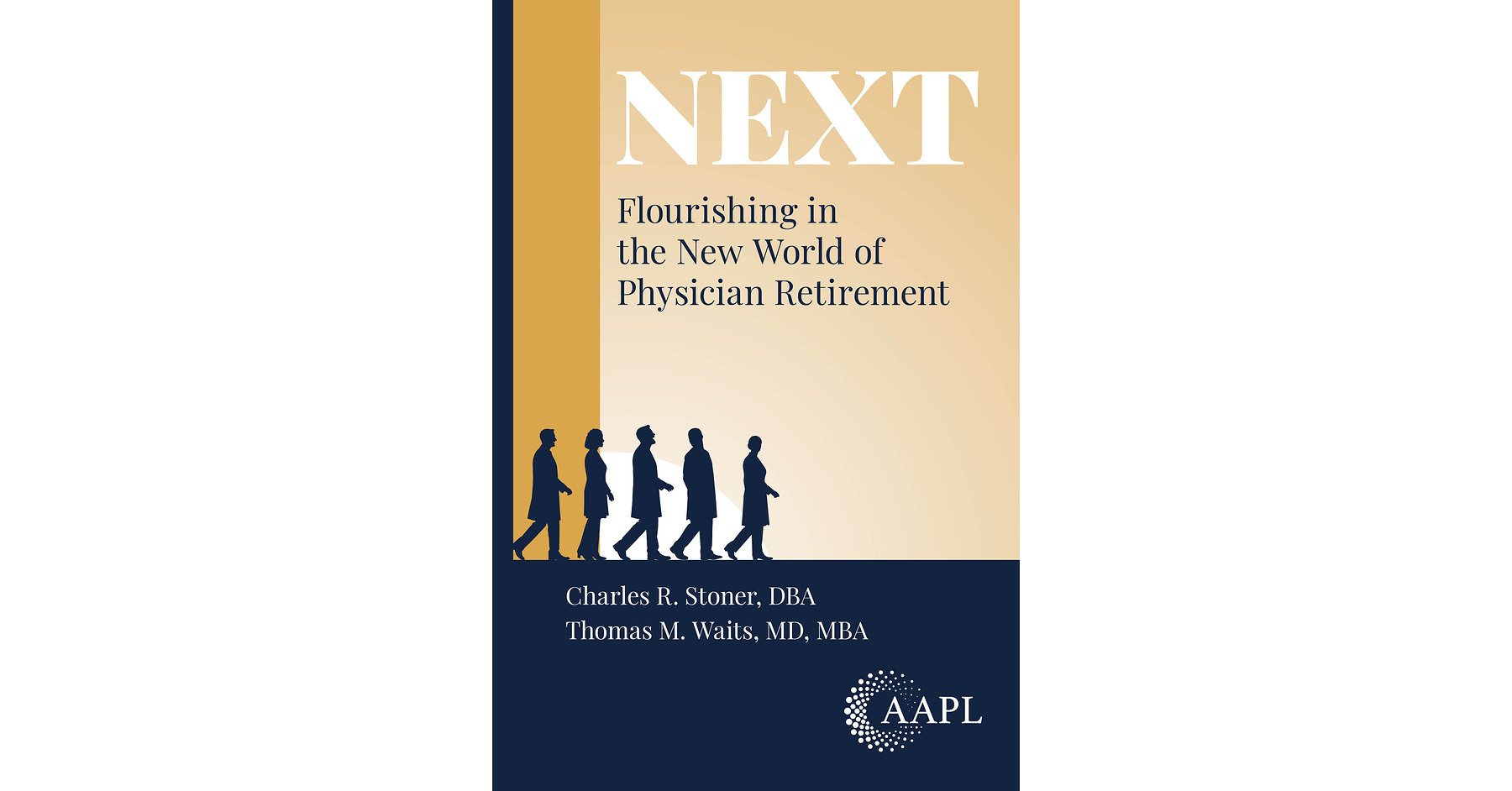
The American Association for Physician Leadership announced NEXT: Flourishing in the New World of Physician Retirement, a research-based guide by Charles R. Stoner and Thomas M. Waits. Drawing on more than a year of research and interviews, the book addresses physicians considering retirement and leaders supporting colleagues through the transition.
Analysis
This is not a material catalyst for public healthcare equities: a book launch is evidence of a topic receiving attention, not evidence that physician retirement behavior or labor supply has changed. The investable question is whether more physicians shift from full-time practice to phased, part-time, or nonclinical roles. If that transition retains senior clinicians in limited clinical capacity, health systems could preserve some capacity and reduce abrupt vacancies, while increasing scheduling and handoff complexity. If phased retirement instead accelerates reductions in clinical hours, constrained specialties may see greater reliance on locum coverage and pressure on labor costs. Those are conditional effects, not conclusions supported by this announcement.
Over the next 1–3 months, there is no clear company-specific catalyst. Over 6–18 months, monitor physician clinical FTE, retirement rates by specialty, vacancy durations, and locum staffing costs before attributing any change to this trend. The contrarian point is that the discussion of retirement transition may overstate a new structural shift: a publication and author interviews cannot establish the scale, timing, or direction of physician labor changes. No trade is warranted on this item alone.
AllMind Terminal
AI-powered research, real-time alerts, and portfolio analytics for institutional investors.
Request TrialMarket Sentiment
Overall Sentiment
neutral
Sentiment Score
0.05
Key Decisions for Investors
- No position based on the announcement. Treat it as non-price-sensitive commentary rather than a healthcare or biotech signal.
- Watch hospital operators and physician staffing providers for reported changes in clinical FTE, specialty vacancies, locum utilization, and labor expense; seek corroborating data across multiple quarters before trading the theme.
- If evidence emerges that clinical hours are falling faster than physician headcount, assess relative exposure between hospital operators with hard-to-staff specialties and staffing providers—but do not assume the staffing providers benefit without checking their volumes, rates, and placement mix.
- Falsify the labor-supply concern if subsequent workforce data show stable physician clinical hours and no deterioration in vacancy duration or locum costs; reassess if retirement rates or reduced schedules rise persistently across specialties.
More News
- Apple’s $2,000 iPhone Duo Debuts With Limited Supply
- The real test for Moderna’s cancer vaccine isn’t about beating Keytruda. It’s keeping cancer from coming back in the long term.
- Oncologists Cheer Melanoma Data
- Vertex reports positive IgAN trial data, FDA decision due Nov. 30
- Scalpers offer Apple iPhone Duo buyers hundreds extra outside Beijing launch
- Apple iPhone Duo Review: Stunning Foldable Screen, Uneven Apps
From AllMind Research
- Anthropic IPO Preview: Valuation, Timing, and What to Watch
- Shein After the IPO: Venue, Valuation, and What Must Be Proved
- What AI Research Tools Should a Small Hedge Fund Buy First?
- Stop Treating AI Like a Chatbot: What Are Agents, SubAgents, MCP, and Skills, and How Do They Actually Work?
- Earnings-Triggered Research Automations: A Control Guide