
OSCP unveils MK2Z-3, a photonic IMU with up to three photonic gyro axes, at Silicon Valley Space Week
Source: PR Newswire
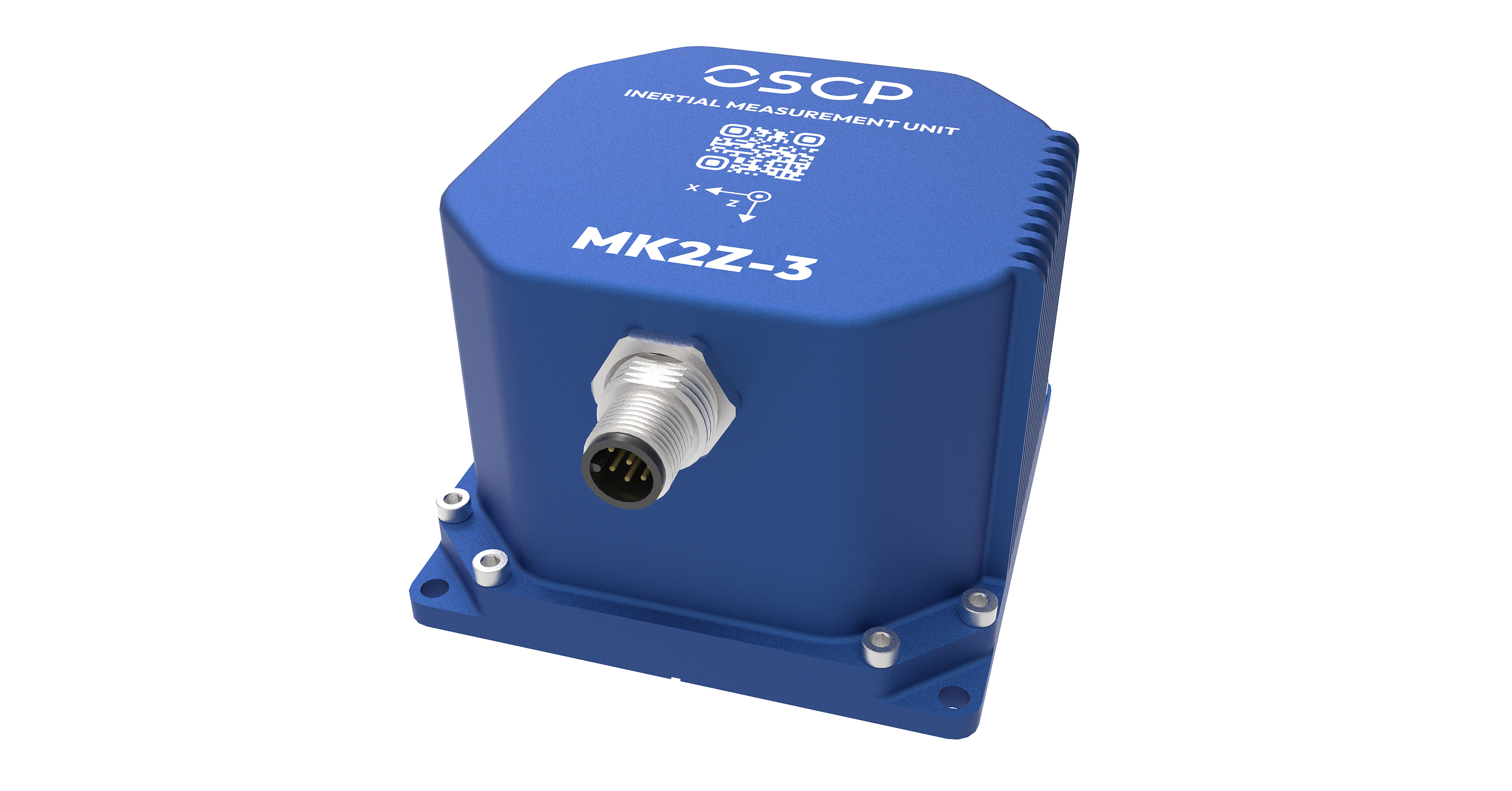
OSCP unveiled the MK2Z-3, an inertial measurement unit in development that can provide photonic gyroscopes on one, two or all three axes in an enclosure weighing under 1 kg and occupying less than 1 litre. Its design target is gyro bias stability of 0.01°/hr or better; specifications may change, and samples are planned for 2027. Target uses include spacecraft, launch vehicles, landers and other platforms requiring navigation without satellite positioning.
Analysis
The commercial question is not whether a three-axis photonic unit can be packaged compactly, but whether it can hold its target after calibration, thermal cycling, vibration and radiation testing—and at a cost that beats established MEMS or fiber-optic alternatives. Three-axis integration raises alignment and cross-axis error risks; a single-axis prototype does not validate those system-level hurdles. Navigation performance also depends on the full sensor stack, so the stated gyro target alone does not establish mission-level accuracy.
Near term, this is a credibility milestone rather than an earnings catalyst: samples are not planned until 2027, and qualification and procurement can extend the path to revenue. The more meaningful signal will be repeatable test results and paid evaluations with named integrators, not the launch announcement. If validated, the product could broaden small-mission and GNSS-denied navigation options; initial adoption is more likely to expand addressable missions than displace incumbent high-end systems. Honeywell, Safran and Exail remain relevant performance and qualification benchmarks, while mature MEMS products are the likely cost-pressure alternative.
Contrarian angle: the compact form factor and ITAR-free positioning may matter as much as the headline accuracy target to international and size-constrained missions, but neither establishes price competitiveness or production readiness. With no supplied ticker mapping or independently verifiable customer, order or financial data, there is no clean public-equity expression today.
AllMind Terminal
AI-powered research, real-time alerts, and portfolio analytics for institutional investors.
Request TrialMarket Sentiment
Overall Sentiment
mildly positive
Sentiment Score
0.20
Key Decisions for Investors
- No trade on the announcement alone. Treat it as a watch item: the 2027 sample schedule puts any material revenue implication beyond the immediate and likely near-term trading window.
- Track independently verified three-axis test data, environmental qualification, power and unit-cost disclosures, and whether evaluations convert into paid programs. These are the missing inputs needed to assess adoption and competitive impact.
- Revisit the thesis if OSCP demonstrates repeatable performance through qualification and discloses customer programs; that would support a longer-term small-satellite and GNSS-denied navigation opportunity. A slip in samples, material degradation under environmental testing, or continued absence of customer validation would falsify the commercialization case.
- Use Honeywell, Safran and Exail as competitive benchmarks, not as automatic shorts: the announcement provides no evidence of near-term displacement, and incumbent qualification advantages could limit adoption even if the sensor meets its design target.
More News
- Anthropic's IPO could be 'speculative fiction' or a 'generational moment' — investors are split
- VCs will make billions on Anthropic’s IPO, but Amazon is set to make much (much) more
- Indian investors rush to Nvidia, SpaceX, Apple as local trading apps roll out access to U.S. stocks
- SK Hynix Q3 profit jumps more than 7-fold, beats forecasts
- Boeing shares slide on a disappointing cash flow update. Why this dip is buyable
- Ultra Clean Holdings soars 11% on strong Q3 beat, upbeat outlook