
Donald Trump’s Talk of War in Iran Cooled by Midterm Rout
Source: Bloomberg
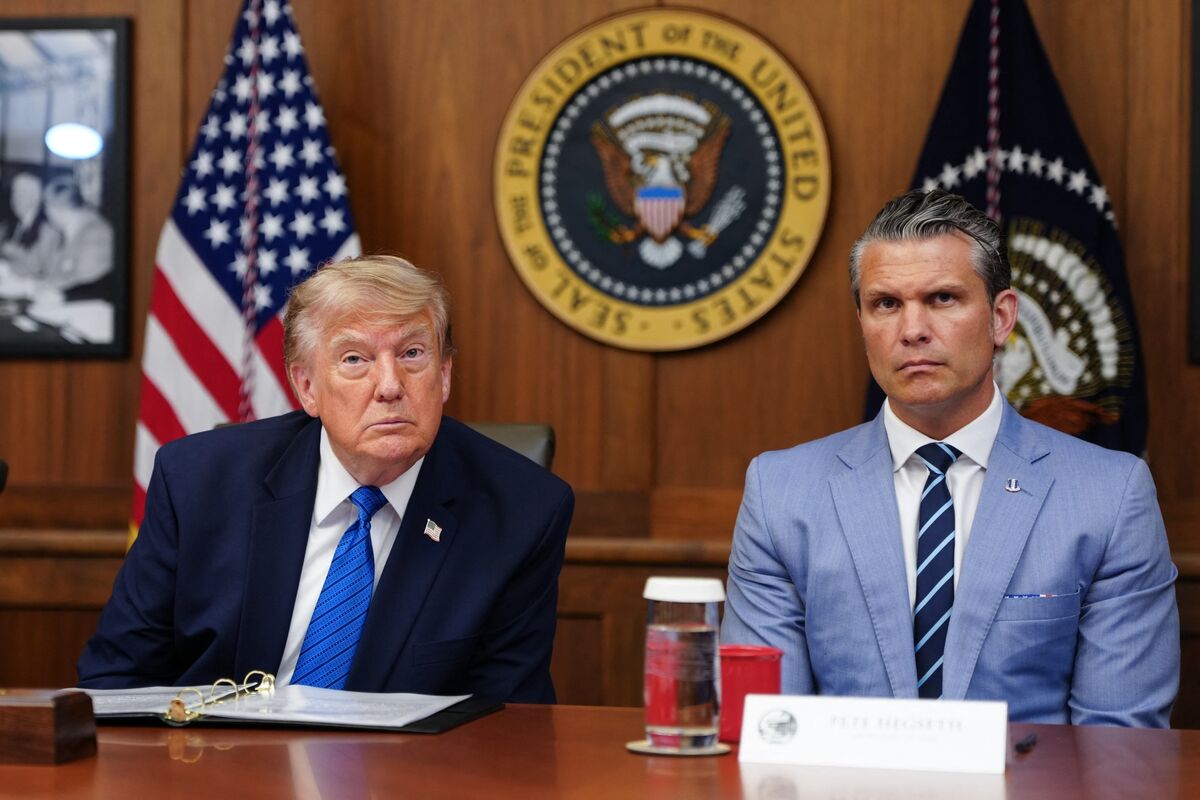
The article says Tuesday’s midterm election highlighted Americans’ opposition to the Iran conflict, cooling talk of a renewed US-Israeli attack. It provides no polling figures, policy change, or market reaction.
Analysis
The election signal is a constraint on the timing and political cost of escalation, not evidence that the underlying Iran risk has been resolved. Markets could therefore remove some near-term geopolitical premium from crude while retaining substantial gap risk: a strike, retaliation, or Israeli action could rapidly overwhelm the domestic political brake. That asymmetry argues against treating softer rhetoric as a durable bearish oil catalyst.
Over days to weeks, watch crude options volatility and the front-end of the Brent curve alongside observable policy changes; spot alone may understate the risk of a sudden supply-disruption repricing. Over 1–3 months, the key catalyst is whether rhetoric translates into operational restraint or merely postpones action. Over 6–18 months, domestic opposition may limit the duration of a US-led campaign, but does not eliminate regional escalation or independently initiated action. Defense-sector exposure is a separate, longer-cycle procurement thesis and should not be inferred from this political signal.
Contrarian angle: the apparent de-escalation may be over-read because political constraint changes the probability and timing of action more than the severity of a tail event. With no evidence here on oil positioning, option pricing, or policy implementation, there is not enough to justify a large directional trade.
AllMind Terminal
AI-powered research, real-time alerts, and portfolio analytics for institutional investors.
Request TrialMarket Sentiment
Overall Sentiment
neutral
Sentiment Score
0.00
Key Decisions for Investors
- Do not chase a crude selloff on rhetoric alone. Treat lower spot prices as a potential entry window for limited, defined-risk Brent or WTI call spreads, subject to checking option-implied volatility and carry first.
- For portfolios materially exposed to energy or inflation-sensitive assets, retain a small event-risk hedge rather than adding outright oil length; scale it down only if concrete restraint persists and front-end crude spreads and options volatility also ease.
- Set alerts for direct evidence that would falsify the de-escalation read: renewed US or Israeli strike preparations, Iranian retaliation, shipping disruption, or a sustained re-steepening of the prompt crude curve.
- Avoid using defense equities as a short-term proxy for this headline. Reassess only if policy changes affect appropriations, contract timing, or company guidance.
More News
- Tech stocks are suffering their biggest selloff since Covid, as investors see premature end to AI datacenter boom
- Wall Street’s best post-midterm rally in 44 years lasted just one day—then $3 trillion vanished as chip stocks plunged over AI fears
- How Wall Street's postelection rally got obliterated — and what's next
- Elon Musk's Tesla and SpaceX lose over $420 billion in combined market cap after midterms
- AI stocks plunge after election, driving down US markets
- Iran says tankers struck in Hormuz amid fears of new US attack