
OSCP dévoile le MK2Z-3, une centrale inertielle photonique dotée de trois axes gyroscopiques photoniques, lors de la Silicon Valley Space Week
Source: PR Newswire
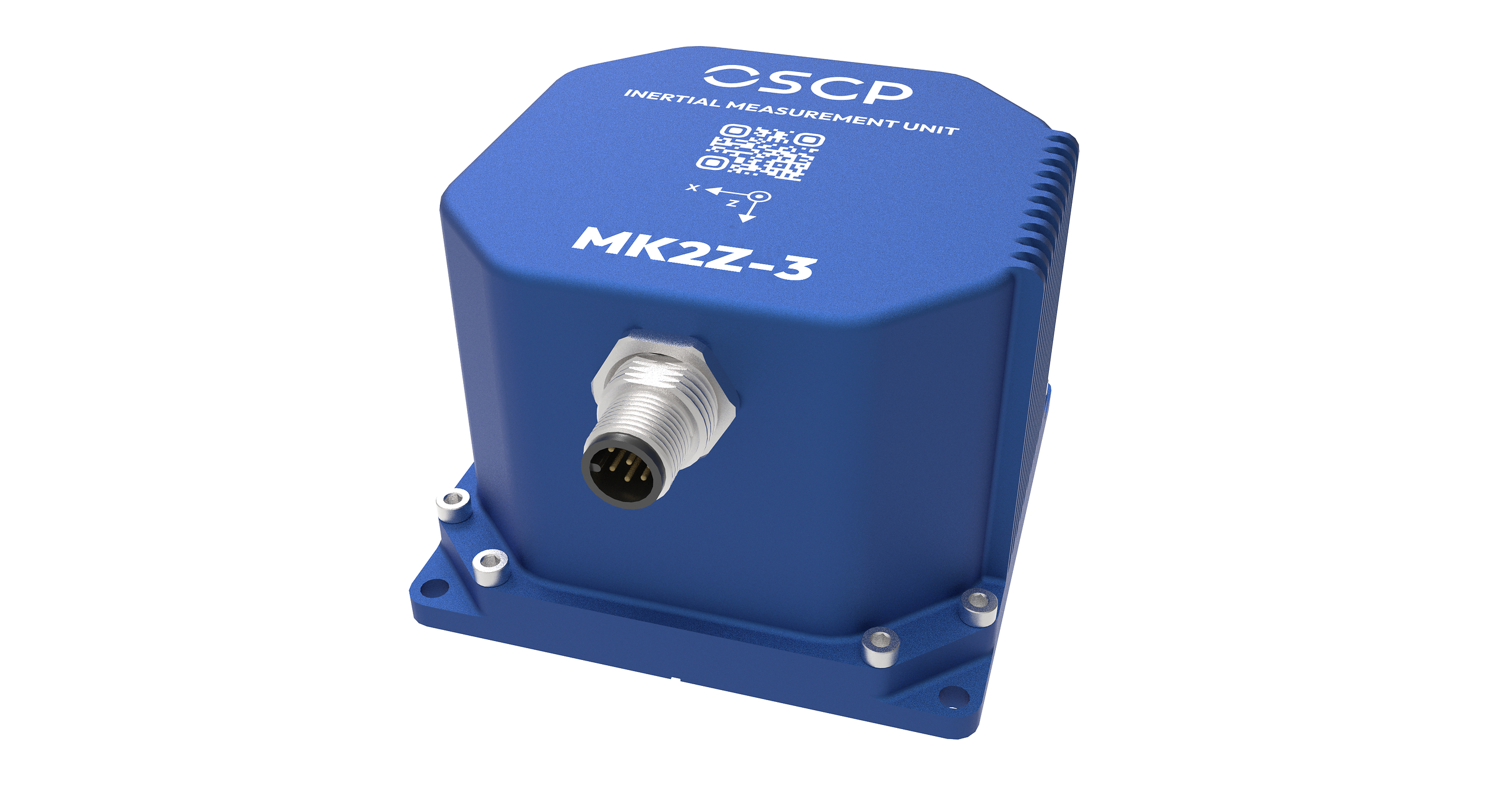
OSCP unveiled the MK2Z-3, an inertial measurement unit in development that combines photonic gyroscopes across one, two or three axes in a housing under 1 kg and 1 liter. Its design target is gyroscope bias stability of 0.01°/h or better; samples are planned for 2027, and specifications may change during development. The product is aimed at small satellites and other platforms requiring navigation without satellite positioning.
Analysis
The investable signal is the potential change in the size/weight/power trade-off for small platforms operating without reliable GNSS—not the launch announcement itself. If OSCP can deliver navigation-grade performance in a sub-kilogram package, it could expand inertial-navigation use in small satellites, landers, and long-endurance autonomous systems, while making Canadian, non-ITAR sourcing more attractive in some procurement channels. That is a conditional opportunity, not evidence of orders or displacement of established suppliers such as Honeywell, Safran, or Northrop Grumman.
The key commercial risks are execution and qualification: the 0.01°/h figure is a design target, samples are not expected until 2027, and customers will need validated performance across temperature, vibration, lifetime, and production lots. A three-axis product also raises manufacturing and calibration complexity versus extending a one-axis prototype. Existing interfaces may reduce integration friction, but do not establish drop-in qualification. Near term, the announcement is unlikely to support a measurable earnings revision for any listed company identified in the supplied data. Over 6–18 months, successful testing could matter more if procurement shifts toward compact, GNSS-denied navigation and customers qualify a second source. The contrarian risk is treating a technically appealing specification as a commercial inflection before independent test results, production capacity, pricing, and customer commitments are known.
AllMind Terminal
AI-powered research, real-time alerts, and portfolio analytics for institutional investors.
Request TrialMarket Sentiment
Overall Sentiment
mildly positive
Sentiment Score
0.20
Key Decisions for Investors
- No direct trade: the supplied data provides no ticker/company mapping, and the announcement gives no independently verified orders, revenue, or public-market exposure to underwrite.
- Put OSCP on a 2027 qualification watchlist. Require measured bias stability and environmental-test results, customer evaluations or awards, unit pricing, and evidence of repeatable manufacturing before treating the design target as a product advantage.
- For listed aerospace/defense and space holdings, avoid changing exposure on this release alone. Revisit only if procurement evidence shows compact photonic IMUs displacing incumbent systems or expanding programs; a confirmed production award would be a stronger catalyst than further demonstrations.
- Falsifiers: sample delays beyond 2027, test results materially missing the stated design target, poor performance under vibration or temperature extremes, or customer qualification favoring established alternatives. These would weaken the adoption thesis even if GNSS-denied demand remains intact.
More News
- What investors need to know about Alphabet's stock-busting earnings report
- Budget 2026 speech
- GE Vernova shares slip despite a beat-and-raise. What the sellers are getting wrong
- Microsoft's Big Bets on AI Start to Pay Off
- Burnham’s government unveils its first UK budget: What to expect
- Microsoft’s strong quarter backs up its stock rebound. Here's our new price target