
À l'occasion de WRC 2026, Galileo Robotics dévoile le Galileo X et transforme les facteurs de forme conventionnels avec son « système de mobilité terrestre incarnée »
Source: PR Newswire
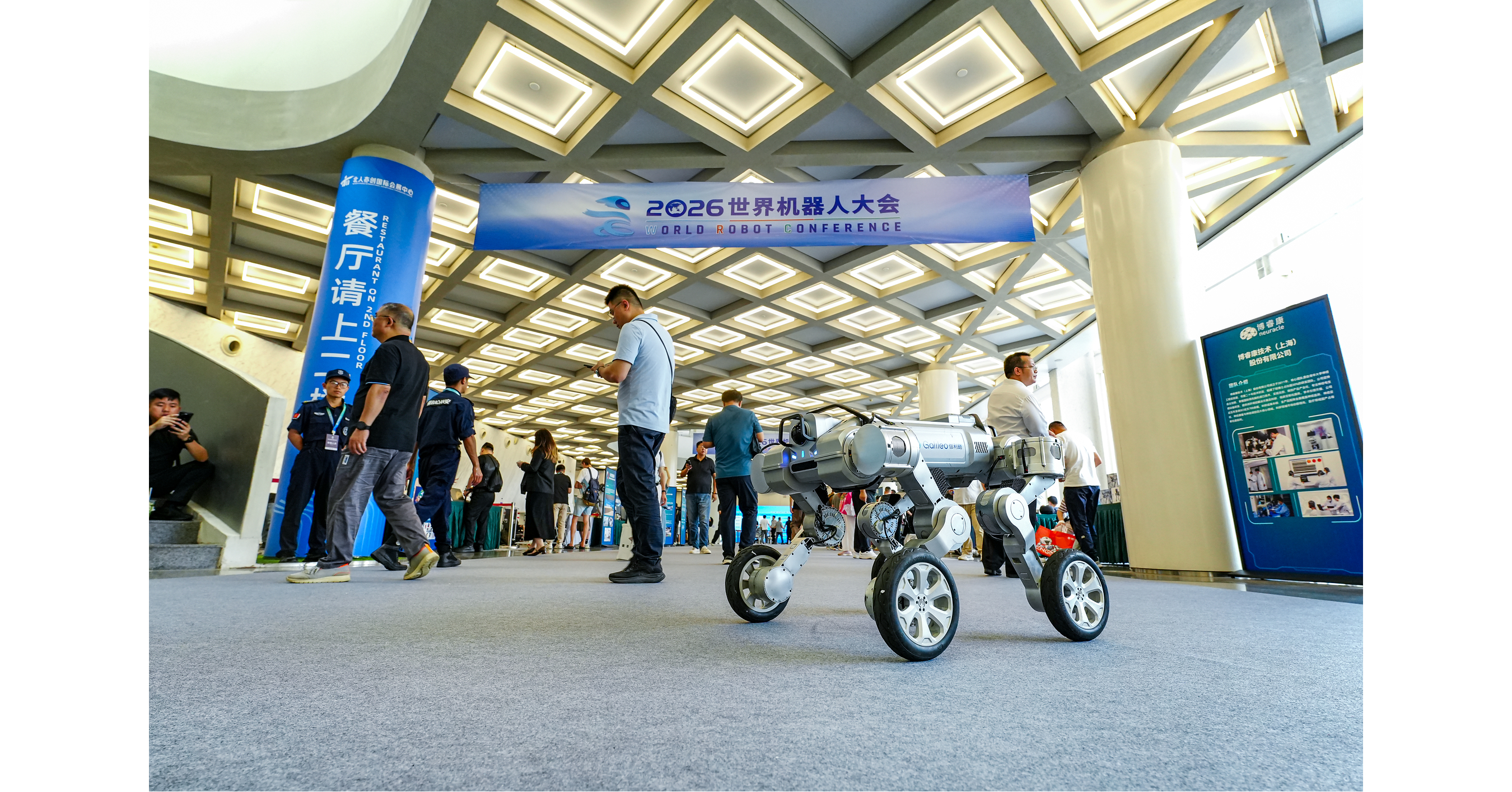
Galileo Robotics a dévoilé le Galileo X à l’occasion de WRC 2026, une plateforme de « mobilité terrestre incarnée » unifiant châssis/contrôle/perception jusqu’alors fragmentés. Le système combine précision AGV à roues, mobilité tout-terrain et franchissement de terrains complexes de robots quadrupèdes, visant une baisse de la complexité de coordination et des coûts de maintenance sur le cycle de vie. La société annonce aussi un écosystème ouvert et une accélération de la commercialisation internationale pour déployer la robotique mobile terrestre sur de nouveaux cas d’usage.
Analysis
The investable signal is not the launch itself; it is the attempt to collapse several adjacent robot categories into one platform. If this architecture is real and repeatable, it pressures single-use AGV, quadruped, and warehouse-robot vendors by shifting competition from chassis specs to software, uptime, and integration services; the economic winner is whoever owns the control stack and field service, not necessarily the loudest demo.
Near term, this is mostly a sentiment event. The next 1-3 months matter only if the company converts the announcement into third-party pilots, backlog, or reference customers; absent that, the market should fade the claim as conference-grade optionality. Over 6-18 months, the bigger second-order effect is deflationary pricing for mobile-robot deployments in China, which could accelerate adoption but compress margins across the ecosystem.
Contrarianly, the consensus may be overrating moat and underestimating execution risk: unified architecture is easy to market and hard to harden at scale. The real falsifier is field reliability and service economics—if maintenance intensity, failure rates, or integration complexity stay high, the platform advantage disappears and this becomes another product-cycle press release rather than a durable standard.
AllMind Terminal
AI-powered research, real-time alerts, and portfolio analytics for institutional investors.
Request TrialMarket Sentiment
Overall Sentiment
mildly positive
Sentiment Score
0.25
Key Decisions for Investors
- No immediate standalone trade in Galileo; treat this as a watch item and require proof of pilot orders, service metrics, or partner integrations within 1-3 months before expressing a view.
- For robotics exposure, prefer a small tactical long in BOTZ or ROBO on any 3-5% pullback over the next 4-8 weeks; upside comes from broad commercialization optionality, but stop out if the next earnings cycle shows no order acceleration.
- Relative-value idea: long NVDA / short TER over 6-18 months. Thesis: more multimodal robots increases edge-compute and perception content per deployment, while legacy automation names face margin pressure if platforms converge; invalidate if robotics demand stays demo-heavy without volume shipments.
More News
- Is AI the new China Shock?
- Why is T-Mobile stock tumbling today?
- This exchange stock is a buy on renewed options deal, Morgan Stanley says
- India calls JD Vance's comments about immigrants 'deeply offensive'
- Why is Verizon stock sliding today?
- Wall St futures gain as oil slips; telecoms pressured by SpaceX spectrum deal