
Hyundai Steel Celebrates Louisiana EAF Steel Mill Project Launch, Driving Growth for U.S. Manufacturing
Source: PR Newswire
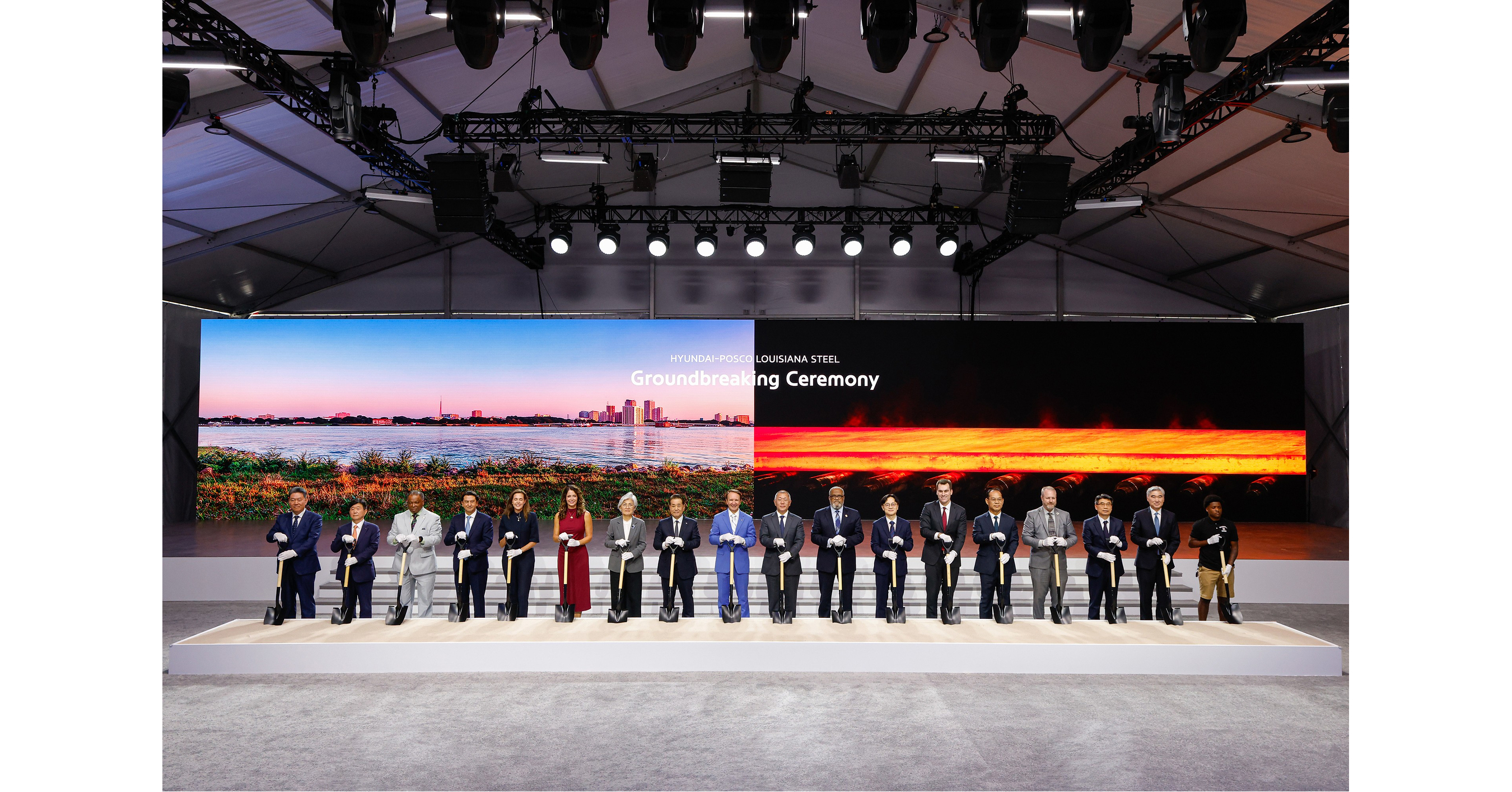
Hyundai Steel launched a $5.8 billion EAF-based integrated steel mill project in Louisiana, part of Hyundai Motor Group’s $26 billion U.S. commitment through 2028. The plant targets 2029 commercial production with 2.7 million metric tons of annual capacity and is expected to support 5,400 jobs (1,300 direct), supplying primarily low-carbon steel to automakers including Hyundai and Kia. As the first North American facility of its kind, the move strengthens the local automotive steel supply chain and industrial resilience, with a cautiously positive impact for the related manufacturing and steel ecosystem.
Analysis
This is better read as a long-dated vertical-integration move than a near-term steel demand story. The economic value is not the headline tonnage; it is Hyundai/Kia reducing exposure to third-party sheet pricing, tariff risk, and logistics shocks for a core input with high quality requirements. That should modestly improve supply security and gross margin resilience at the OEM level, but the first meaningful P&L impact is years away and will depend on utilization, scrap/DRI input costs, and power pricing.
For domestic steelmakers, the second-order effect is slightly negative for the auto-grade contract market: one more captive source of coated/rolled sheet reduces the scarcity premium that large integrated mills have enjoyed in automotive relationships. The more interesting loser may be not the spot market, but any incumbent supplier that was relying on Hyundai/Kia volume in the Southeast; the project shifts bargaining power toward the automaker and could pressure renewal pricing when contracts roll. That said, the impact on broader U.S. flat-rolled fundamentals looks small until late-decade, so this is not a thesis for an immediate sector short.
Contrarian view: the market may be overreacting to a ceremonial launch that still sits behind years of execution risk. Between now and 2029, the key variables are capex inflation, permitting, DRI feedstock availability, and whether the project is actually needed versus cheaper external sourcing if steel spreads normalize. If financing terms, offtake, or construction milestones slip, the whole story becomes a delayed optionality trade rather than a fundamental disruption.
AllMind Terminal
AI-powered research, real-time alerts, and portfolio analytics for institutional investors.
Request TrialMarket Sentiment
Overall Sentiment
moderately positive
Sentiment Score
0.35
Ticker Sentiment
Key Decisions for Investors
- Do not chase HYMLF here; treat it as a 2028-2029 watchlist name only. Reassess only if Hyundai discloses binding offtake economics or if construction milestones de-risk enough to justify a rerating.
- Lighten any tactical longs in U.S. steel names on strength, especially X and CLF, if the market starts pricing this as an immediate volume loss. The fundamental hit is delayed, but auto-grade pricing power can erode into 2027-2029 as captive supply ramps.
- Use any rally in NUE/STLD/X as an opportunity for a small sector hedge rather than a directional short. Risk/reward is better as a relative-value trade because the project is too far out to justify an outright structural bear case today.
- Set an alert for Hyundai's next capex update and any permit/construction delay: a slip of 12+ months would invalidate even the long-dated supply-chain thesis and likely unwind any steel-name weakness.
- If you want a cleaner expression, pair long auto OEM margin resilience versus steel input pressure once/if the project becomes fully financed; until then, no options trade is warranted because the catalyst is too remote.
More News
- Copper is outshining gold this year. Investors say the rally can survive an AI correction
- 'Cannot play hide and seek': Singapore minister's warning over haze sends agricultural stocks lower
- BlackRock, GIC among investors chasing Indian telecom major Jio's IPO as anchor bids top $26 billion
- Volkswagen bet on Xpeng to save its China business. It’s not going to plan
- Gartner analyst behind tech rout: AI returns are not yet large enough to justify neocloud build-out
- Elice shares plunge 28% on debut as investor doubts over AI trade deepen
From AllMind Research
- Anthropic IPO Preview: Valuation, Timing, and What to Watch
- Shein After the IPO: Venue, Valuation, and What Must Be Proved
- What AI Research Tools Should a Small Hedge Fund Buy First?
- AI Tools for CFA Charterholders: An Evidence Standard
- Weekly Update: Unstructured Data Search, Ask AI, and Advanced Futures Data