
All in Harbor: Sungrow Brings PowerHarbor to Benelux Homes for More Value, Less Complexity
Source: PR Newswire
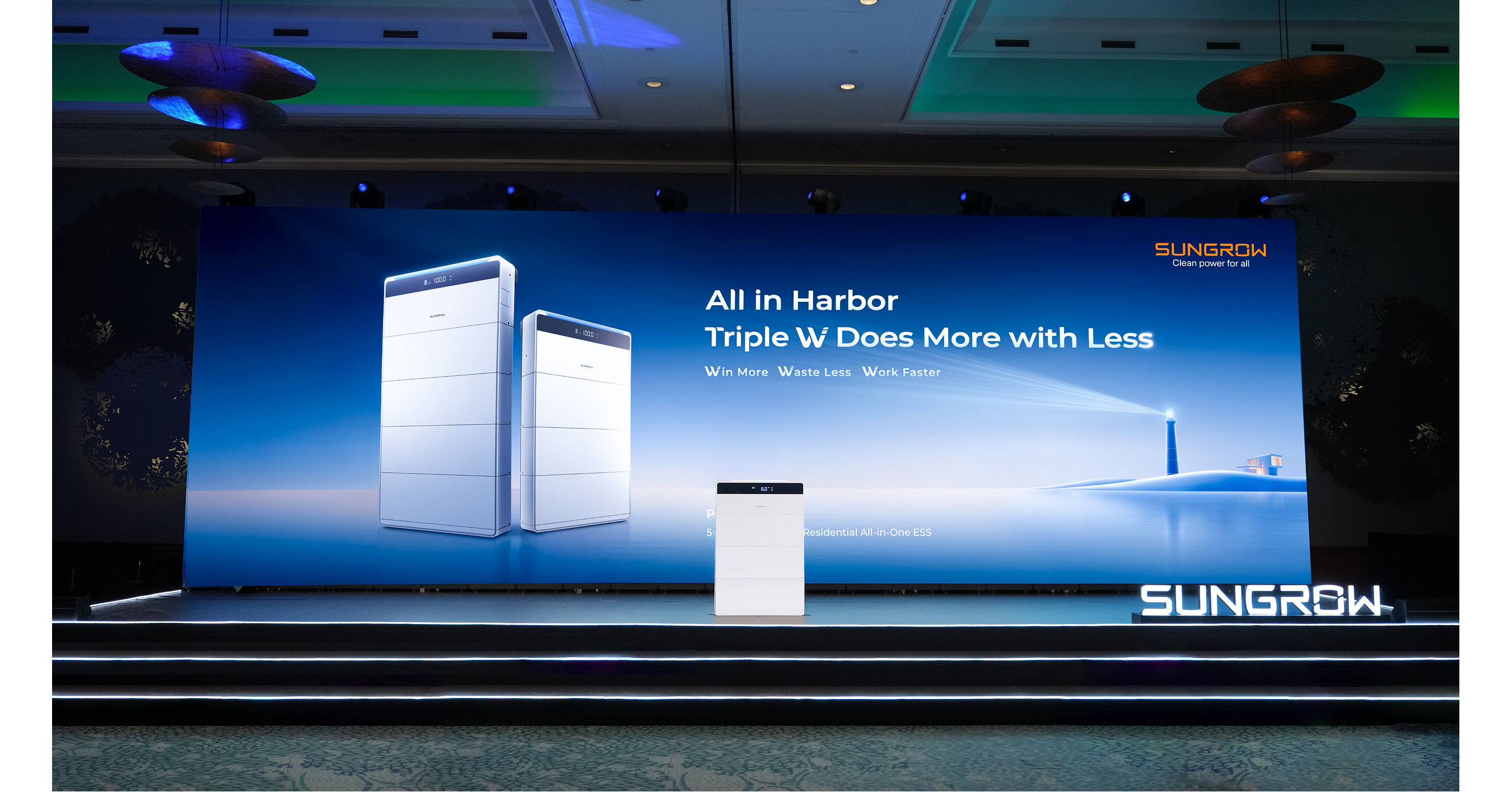
Sungrow launched its PowerHarbor all-in-one residential solar-storage system in the Netherlands, Belgium and Luxembourg ahead of the Netherlands ending net metering on January 1, 2027. The system offers up to 160% PV-to-battery charging, a 0.66P discharge rate, 6-10 kWh battery modules, and AI-based optimization using weather, consumption and electricity-price data. PowerHarbor is integrated with 28 European virtual power plant platforms and targets retrofit demand by supporting existing solar strings and compact installation.
Analysis
The relevant mechanism is not incremental solar demand but a retrofit-driven shift in the value pool from exported generation to behind-the-meter hardware, software optimization and aggregator revenue. A January policy cliff should pull installer quotes and storage orders into 4Q26, but household conversion will depend on payback under local dynamic tariffs rather than product specifications. The claimed VPP integrations are strategically important only if they translate into contracted dispatch revenues and lower customer-acquisition costs; a press-release integration is not evidence of either.
Sungrow's modular retrofit architecture raises competitive pressure on SMA Solar (S92.DE), SolarEdge (SEDG) and Enphase (ENPH), particularly where installers prefer a single vendor and avoid replacing functioning PV equipment. The second-order risk is margin: a Chinese supplier able to bundle inverter, battery and EMS can force European incumbents to discount even if total storage unit demand improves. Tesla (TSLA) is less exposed to inverter replacement but remains a storage-brand competitor; its relative advantage increases if consumers prioritize financing, installer availability and software over electrical compatibility.
Near term, this is more likely a channel-check catalyst than a public-equity earnings event. The investable signal becomes stronger over the next 1-3 months if Benelux distributors report accelerated battery attach rates, stable installation labor availability and no renewed inventory build; over 6-18 months, the key question is whether dynamic-price/VPP economics sustain demand after the policy-driven rush. A reversal would be signaled by deferred implementation, weak day-ahead price volatility, or installer feedback that permitting and grid-connection constraints dominate equipment choice.
AllMind Terminal
AI-powered research, real-time alerts, and portfolio analytics for institutional investors.
Request TrialMarket Sentiment
Overall Sentiment
moderately positive
Sentiment Score
0.42
Key Decisions for Investors
- Maintain a 3-6 month underweight/short bias in S92.DE versus a long TAN or ICLN hedge only after distributor checks confirm Benelux storage attach-rate acceleration. Thesis is European incumbent margin compression rather than lower solar demand; cover on evidence of price discipline or improving gross-margin guidance.
- Put SEDG and ENPH on a Q4 earnings watch, not an immediate short: monitor European revenue mix, storage attach rates and gross-margin commentary. Initiate a tactical short only if management identifies pricing pressure or channel concessions without offsetting volume; product-launch news alone is insufficient.
- For China-accessible mandates, monitor Sungrow (300274.SZ) for order/backlog disclosures tied to European residential storage. A long is justified only if European revenue growth and receivables remain controlled; avoid chasing a policy-pull-forward quarter if working capital expands faster than sales.
- Use Dutch dynamic-power-price volatility and announced VPP enrollment as gating indicators through January 2027. If volatility compresses or VPP participation fails to scale, reduce any residential-storage exposure because the customer payback case weakens materially despite the regulatory change.
More News
- Oil falls on report Asia will import highest volume of crude since start of Iran war
- Japan's 10-year bond yield hits 30-year high following sell-off in Treasurys
- US Debt Selloff Spans Most Maturities: Evening Briefing Americas
- OpenAI’s agent hacked Australia’s Medicare website—the latest rogue AI incident that the company didn’t know about for months
- Chinese authorities reportedly in possession of F-35 components in Hong Kong
- Meta announces new lightweight virtual reality glasses to one-up Apple’s Vision Pro
From AllMind Research
- Anthropic IPO Preview: Valuation, Timing, and What to Watch
- Shein After the IPO: Venue, Valuation, and What Must Be Proved
- What AI Research Tools Should a Small Hedge Fund Buy First?
- Weekly Update: Adding Live MBO Level 3 Data - Liquidity Heatmap, OFI Charts, and More
- AI Software for Buy-Side Teams: Build the Research Stack