
Latest Oil Market News and Analysis for Oct. 9
Source: Bloomberg
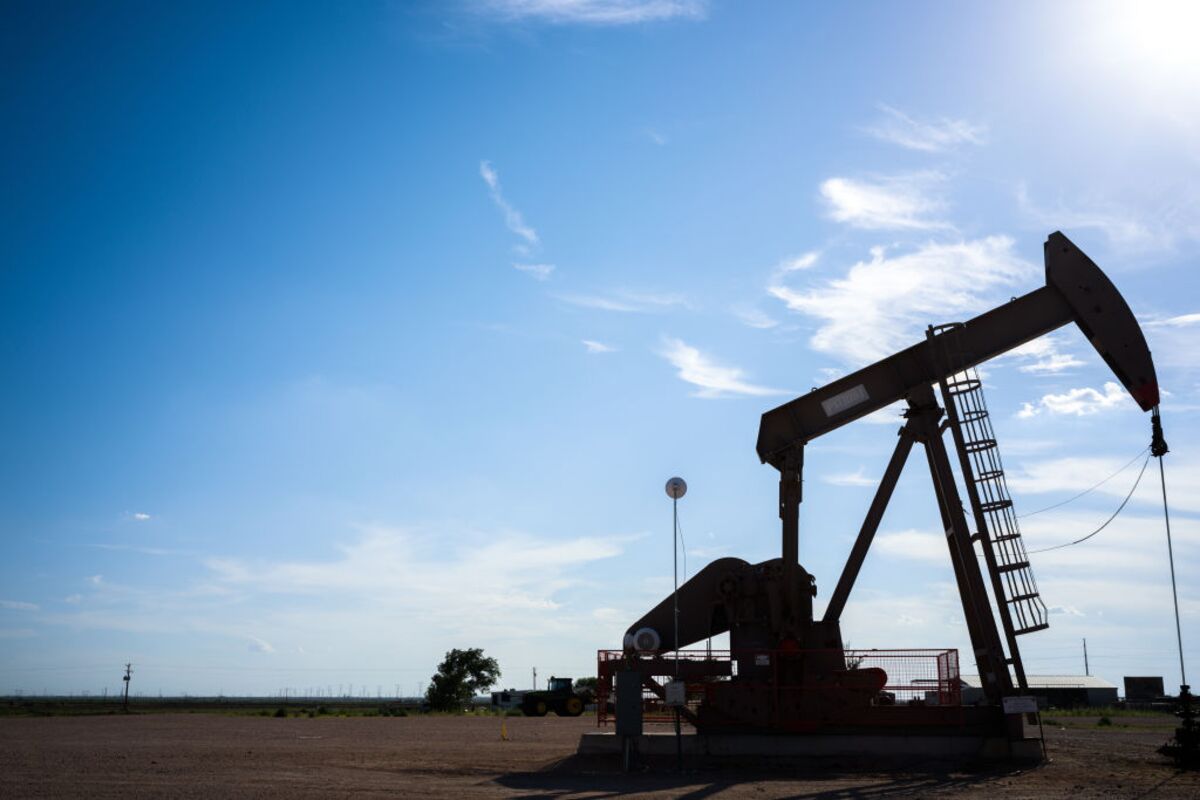
WTI fell toward $91 a barrel after President Donald Trump said the US would not attack Iran before November’s midterm elections, following a 3.6% gain on Thursday. Brent had closed above $104. Trump cited what he described as “productive discussions” with Iran and said crude was moving through the Strait of Hormuz in record volumes.
Analysis
The selloff is a reduction in the near-term geopolitical risk premium, not evidence that the underlying supply risk has been resolved. The key market test is whether physical flows and prompt spreads confirm the rhetoric: the claim of record Strait of Hormuz volumes is not independently established here, and statements about timing an attack around elections are political guidance, not a durable security guarantee. If traders price that language as a lasting ceiling on escalation, crude may have further room to fall; any disruption or breakdown in talks could restore the premium abruptly.
Over days, lower crude is a headwind for upstream exposure such as XOP and a potential tailwind for fuel-intensive sectors, though airline fuel hedges and refining economics can delay or dilute the benefit. Over 1–3 months, watch negotiations, actual transit data, and the Brent–WTI relationship for confirmation that the risk premium is genuinely easing. The November election may constrain the administration’s choices, but it does not eliminate proxy-conflict or accidental-escalation risk. There is no basis here to infer a durable 6–18 month supply change. The contrarian risk is that the market overweights a politically convenient statement while underpricing the asymmetric impact of a renewed disruption.
AllMind Terminal
AI-powered research, real-time alerts, and portfolio analytics for institutional investors.
Request TrialMarket Sentiment
Overall Sentiment
neutral
Sentiment Score
0.00
Key Decisions for Investors
- Tactical, defined-risk bias: consider a small short in front-month crude only after price weakness is confirmed by softer prompt spreads or verified transit data. Invalidate on a renewed escalation or a recovery above Thursday’s high; avoid an unhedged short given gap risk.
- Prefer relative exposure over a broad energy bet: a long fuel-sensitive basket versus upstream exposure could benefit if crude stays lower, but verify airline hedge coverage and refining margins first. Do not assume lower crude translates one-for-one into earnings gains.
- Monitor Hormuz transit evidence, negotiation developments, front-month spreads, and Brent–WTI behavior over the next 1–3 months. If physical flows remain strong and spreads ease, the de-escalation trade gains confirmation; a flow interruption or spread reversal falsifies it.
- Do not treat the election-linked comment as a durable policy commitment. A credible military incident, renewed sanctions pressure, or collapse in talks is the principal near-term upside-risk catalyst for crude and the stop condition for bearish exposure.
More News
- The world needs Ukraine’s grain. Its farmers are running out of reasons to plant
- Trump vows quick end to Iran war as fighting in Yemen intensifies
- Trump's diesel agreement with Putin accused of contradicting Russia sanctions law
- Israel’s economy prospers despite years of war, but prices worry voters
- Trump reaches Russian diesel supply deal as U.S. fuel prices surge
- RBI Announces Special Oil Window, Regulatory Steps for Rupee