
Musk Spends Millions Backing Republicans in Midterm Races Like Texas Senate Race
Source: Bloomberg
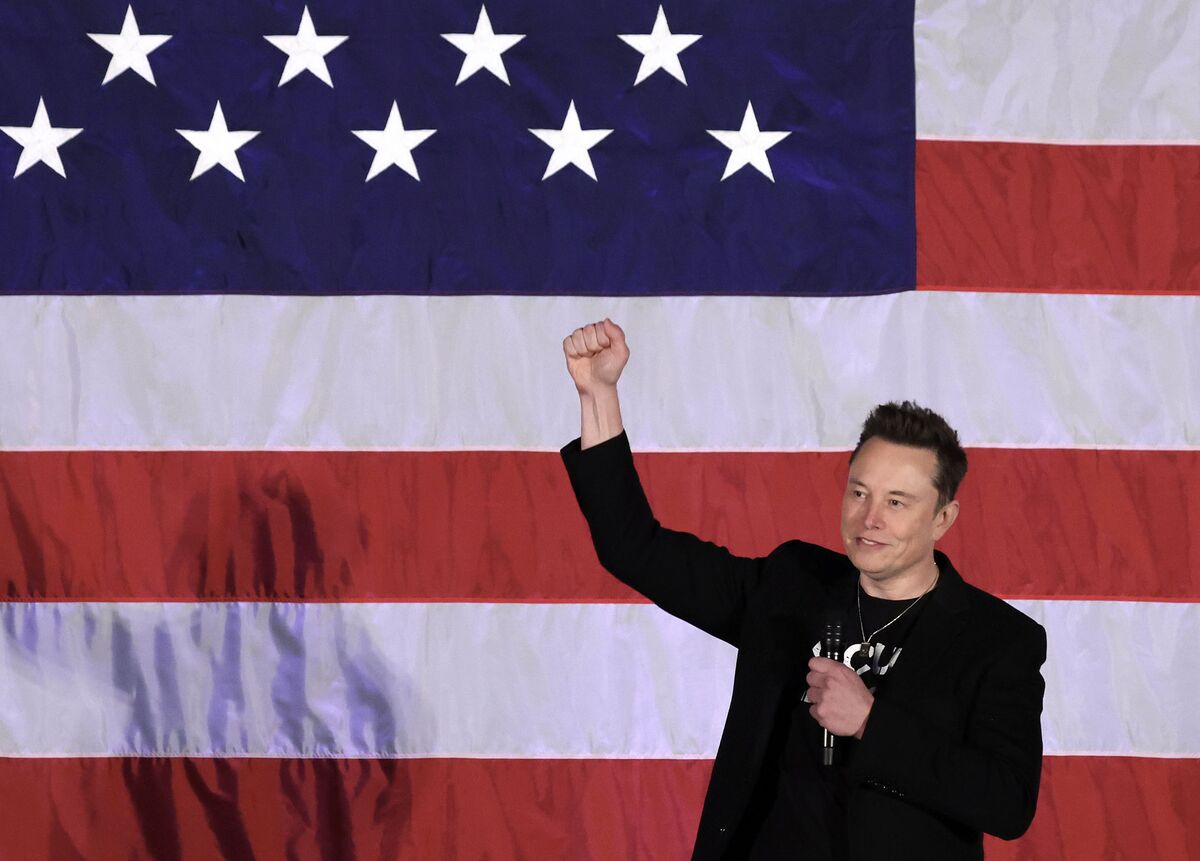
Elon Musk is reportedly spending roughly $369 million to support Republicans in the U.S. midterms, potentially affecting close contests including the Texas Senate race. The item also references news that Musk wants to merge Tesla and SpaceX, but provides no further details on the proposal or its status.
Analysis
The investable issue is policy exposure, not campaign spending as a direct operating cost: unless company funds or personnel are involved, do not translate Musk’s reported outlay into Tesla or SpaceX cash-flow impact. In the next days, the headline is more likely to add volatility and governance scrutiny than change earnings. Over 1–3 months, close races could affect the odds of changes to EV incentives, federal spending, and oversight; those channels matter differently to Tesla’s consumer-demand environment and SpaceX’s government-facing business. Any impact remains conditional on election outcomes and subsequent legislation or appropriations. Over 6–18 months, a Tesla–SpaceX combination would raise separate execution, valuation, governance, and regulatory questions; the article does not establish that a transaction is agreed or that either company is funding political activity. The contrarian point: investors may overprice partisan alignment as a reliable route to favorable policy. Congress, agencies, courts, and state governments constrain that pathway, while visible political ties can also increase scrutiny. Verify the source and funding of the reported spending, corporate disclosures, and any formal merger filing before assigning company-level financial impact. Thesis weakens if no policy or transaction developments follow the election, or if company guidance and relevant regulatory treatment remain unchanged.
AllMind Terminal
AI-powered research, real-time alerts, and portfolio analytics for institutional investors.
Request TrialMarket Sentiment
Overall Sentiment
neutral
Sentiment Score
0.00
Key Decisions for Investors
- No standalone trade on the spending headline: keep TSLA and SPCX exposure tied to operating results and formal company disclosures, not an assumed policy payoff.
- For the next 1–3 months, monitor competitive EV incentive proposals and election outcomes; treat any proposed rollback or expansion as a sector catalyst, not a Tesla-specific conclusion. Reassess if policy changes are enacted and company guidance indicates a material demand effect.
- Track federal budget and oversight developments for SpaceX exposure; do not infer contract gains from political alignment. A meaningful change in appropriations, procurement, or agency treatment is the catalyst to revisit the view.
- If merger reports advance to formal terms or filings, reassess both securities for dilution, governance conflicts, and regulatory risk; absent those documents, avoid trading a hypothetical combination.
More News
- Why is Tesla stock falling after-hours today?
- Zuckerberg told Meta directors he might leave California, where he could lose billions to a wealth tax. Meta answered with a new class of stock
- Futures orbit around SpaceX as Tesla merger talk cheers investors
- Elon Musk Thinks $3.5 Trillion Tesla-SpaceX Mashup Is a Good Idea
- SpaceX gives the AI trade a shot in the arm. What it means for our stocks
- Apple's iPhone Duo in short supply — plus, the 2 stocks fueling an AI rebound
From AllMind Research
- Anthropic IPO Preview: Valuation, Timing, and What to Watch
- Shein After the IPO: Venue, Valuation, and What Must Be Proved
- What AI Research Tools Should a Small Hedge Fund Buy First?
- The Great Divergence: North American Banking at the Crossroads of Monetary Policy and Agentic AI (Q4 2025 Bank Earnings)
- AI for M&A Target Screening: From Universe to Deal File