
Curaleaf International Secures Australian First with TGA Registered Liquid Medical Cannabis Inhalation Device and Extends Availability to New Zealand
Source: PR Newswire
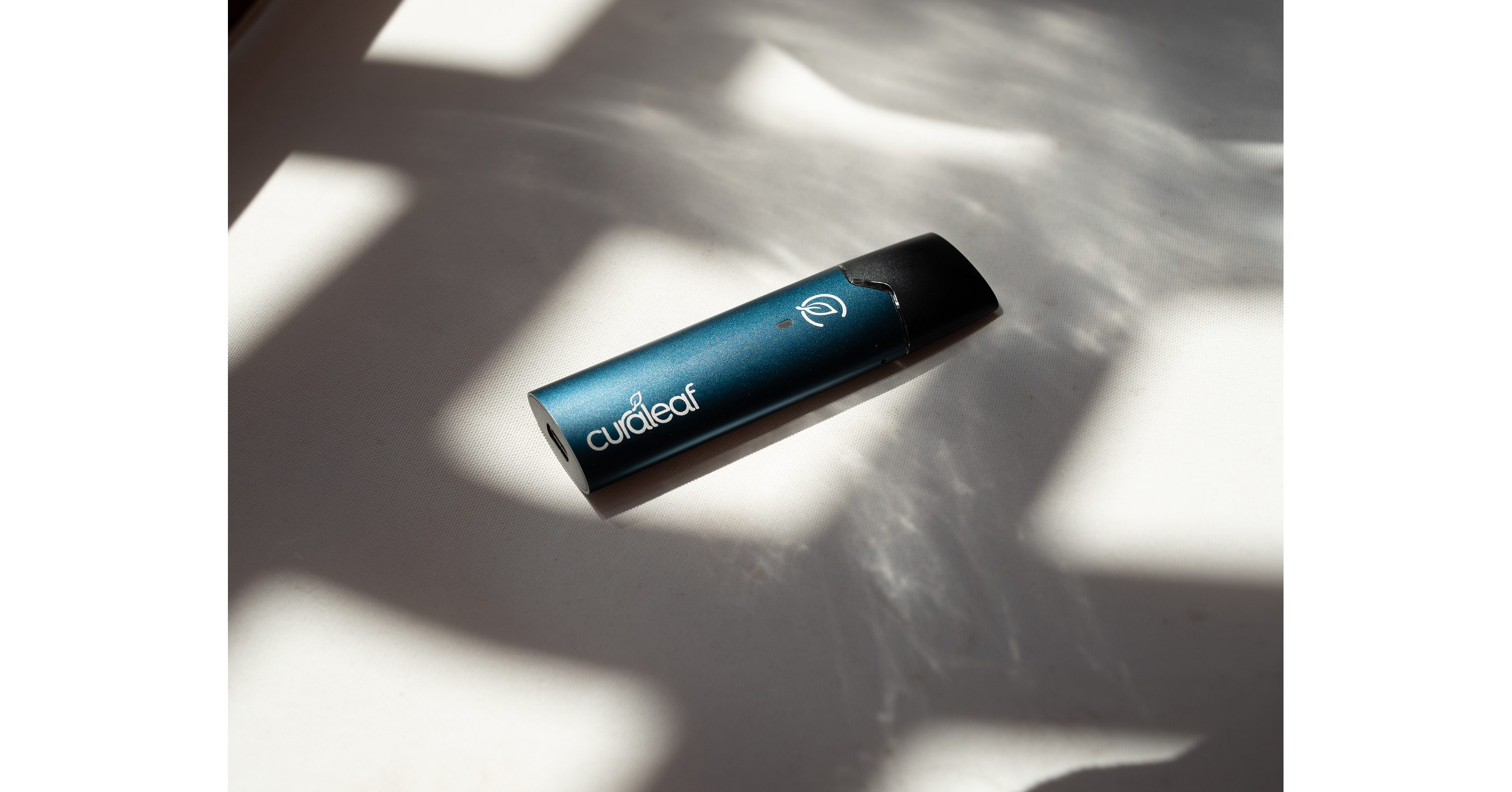
Curaleaf International's Que Medical Inhalation Device (QMID) was registered by Australia’s TGA on September 15 as the country’s first approved inhalation device for Cannabis Sativa L. extracts, and was listed in New Zealand’s Medsafe WAND database on September 17. The Class IIb Australian registration expands QMID’s availability to seven countries and addresses a compliance gap for prescribed cannabis inhalation devices in a market where more than 1 million patients have accessed medical cannabis since 2016. The approvals support Curaleaf’s international medical-cannabis expansion strategy, though the release provides no near-term revenue or volume guidance.
Analysis
The strategic value is not the hardware itself but the potential creation of a regulated, closed-loop consumables channel: device compatibility limited to approved cartridges can improve product adherence, reduce substitution, and lift gross-margin mix if Curaleaf controls both cartridge supply and distribution. The regulatory work creates a meaningful first-mover barrier for unregistered device vendors, but it does not establish pricing power unless prescribers actively shift patients from lower-cost, legacy inhalation formats. Near-term equity impact should remain modest because the release provides no unit-sales, cartridge attach-rate, reimbursement, or revenue guidance.
Over the next 1-3 months, the relevant catalyst is evidence that pharmacies can stock the system without approval friction and that clinicians prescribe it at scale; initial prescription velocity matters more than the registration milestone. A successful rollout could also make Curaleaf a preferred partner for pharmaceutical-grade cannabis formulations in other device-regulated markets, supporting international revenue quality and potentially narrowing the valuation discount versus more US-exposed peers. Conversely, hardware subsidies, distributor economics, clinician reluctance to change protocols, or cartridge supply constraints could turn the device into a compliance cost rather than a material profit pool.
Consensus may overvalue the "first" designation while underweighting the commercial bottleneck: regulated-device approval solves an access problem, but patient willingness to pay and repeat cartridge utilization determine economics. The structural upside is real over 6-18 months if management demonstrates recurring consumables revenue and cross-selling through its existing international channels; absent disclosed KPIs, this remains an option value rather than a reason to revise earnings estimates.
AllMind Terminal
AI-powered research, real-time alerts, and portfolio analytics for institutional investors.
Request TrialMarket Sentiment
Overall Sentiment
moderately positive
Sentiment Score
0.58
Ticker Sentiment
Key Decisions for Investors
- Do not chase CURA on the announcement alone; maintain a watch position only until management discloses Australian/New Zealand device placements, cartridge attach rate, realized gross margin, and 2027 revenue contribution. A credible trigger would be explicit international revenue guidance or quarterly evidence of repeat consumables demand.
- For a 6-18 month thematic position, favor CURA over Canadian licensed-producer peers such as TLRY only if Curaleaf demonstrates that regulated-device sales pull through proprietary extracts; the differentiated distribution/consumables model is more valuable than undifferentiated flower exposure. Cap sizing because cannabis-sector multiples remain highly sensitive to US regulatory headlines rather than international execution.
- Monitor the first two post-launch reporting periods for inventory growth versus sales. Rising receivables or inventory without disclosed active-device growth would falsify the recurring-revenue thesis and argues for reducing CURA exposure.
- Set a regulatory watch alert for TGA changes to prescription, pharmacy, or device requirements and for any competing ARTG-listed inhalation platform. A second approved device would compress the first-mover moat and likely require lower hardware pricing or higher channel incentives.
More News
- U.S. market regulator seeks to make it easier for funds, advisers to hold crypto
- Nvidia Faces Questions Over China AI Chip Smuggling Cases
- Broadcom to lend Anthropic up to $42 billion to lease its chips, filing says
- $8.2B acquisition validates AI-picked chip stock: +20% since June
- New Mexico wants Meta to pay up to $40 billion in penalties after data privacy trial
- Paramount promised 30 movies a year to win Warner Bros. Losing Miramax if it fails may not scare it
From AllMind Research
- Anthropic IPO Preview: Valuation, Timing, and What to Watch
- Shein After the IPO: Venue, Valuation, and What Must Be Proved
- What AI Research Tools Should a Small Hedge Fund Buy First?
- Weekly Update: New Reporting Features and More Sources for Document Search
- How to Evaluate AI Report Writers for Financial Analysis