
Mnzil, TDG and Capital Partners launch a real estate fund to invest SAR 1 billion in elevating workforce housing in Saudi Arabia
Source: PR Newswire
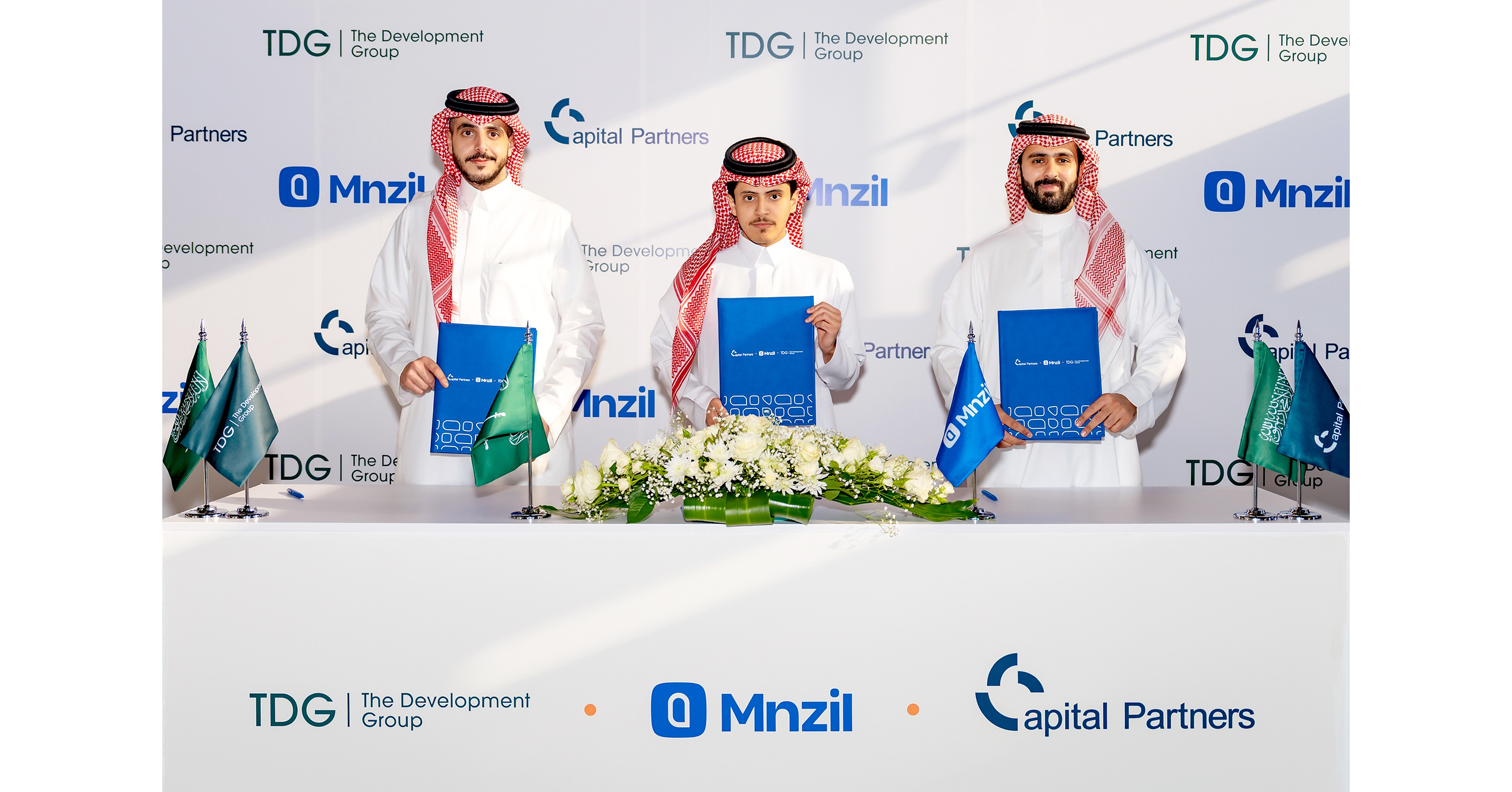
Mnzil, The Development Group and Capital Partners launched a SAR 1 billion fund targeting purpose-built workforce housing for up to 50,000 workers in Saudi Arabia. Development is expected to begin in Q4 2026, with sites planned for Riyadh, Jeddah, Dammam, Khobar, Makkah and Madinah. The fund’s built-to-suit model is intended to generate contracted rental income, while Mnzil will operate the portfolio.
Analysis
The investable signal is not the announced bed count; it is whether employers sign durable, take-or-pay leases that convert fragmented accommodation into underwritten infrastructure. If that happens, Mnzil could capture more of the housing-and-services spend per worker and make occupancy less dependent on short-term third-party supply. For employers, proximity may reduce transport and attendance friction, but any savings must exceed contracted rent and service costs—no evidence in the release quantifies that trade-off.
The fund’s announced scale should not yet be treated as committed construction or contracted cash flow. Lease tenor, tenant concentration, land terms, financing, construction costs and occupancy ramp are undisclosed; a mismatch between development timelines and employer demand would expose the fund to vacancy and cost inflation. Q4 2026 is a distant start date, so near-term market impact is limited. Over 1–3 months, the useful catalyst is disclosure of signed anchor leases and fund capitalization; over 6–18 months, execution, delivery costs and stabilized occupancy determine whether this is repeatable infrastructure or merely a press-release pipeline.
For AMZN, MCD and NESN, customer relationships do not establish that these companies will lease the new beds or incur material incremental costs. Their disclosed sentiment is neutral, and the possible productivity benefit is too small and unverified to trade. Contrarian read: the social-impact framing may draw attention from the central underwriting risk—employer credit and lease enforceability. Conversely, if long-term contracts are real, investors may underappreciate the potential for a scalable institutional asset class in a market with labor-intensive growth.
AllMind Terminal
AI-powered research, real-time alerts, and portfolio analytics for institutional investors.
Request TrialMarket Sentiment
Overall Sentiment
mildly positive
Sentiment Score
0.35
Key Decisions for Investors
- No position in AMZN, MCD or NESN on this announcement: there is no disclosed customer commitment or material financial exposure. Reassess only if a named employer signs leases and reports a meaningful cost, capacity or productivity impact.
- Treat Saudi workforce housing as a watch item, not a buy signal. Seek fund capitalization, signed lease coverage and tenor, land costs, development budget, financing terms, tenant concentration and occupancy assumptions before underwriting the projected cash flows.
- For the next 1–3 months, monitor announcements of anchor tenants and binding lease terms. A stated bed target without contracted demand is not a catalyst; verified pre-leasing would strengthen the development thesis.
- For a 6–18 month thesis, track construction-cost changes, delivery timing and stabilized occupancy. Rising costs, slippage or weak leasing would falsify the infrastructure-quality case; repeated on-time delivery with durable leases would support it.
More News
- Security researcher claims they found KVM guest-host escape flaw
- While OpenAI and Anthropic battle over data privacy, more companies look to open models and ‘sovereign AI’
- Amazon’s answer to data center backlash: $1 billion for community college and home energy upgrades
- Rigetti Computing vs. D-Wave Quantum: Which Quantum Computing Stock Is the Better Buy?
- Security researcher claims to they found KVM guest-host escape flaw
- Cocoa prices are climbing again. Here’s why this time is different