
SunPower Origin, le nouveau panneau solaire de SunPower, arrive en Europe avec une technologie à contact arrière de 8e génération et une garantie unique de 40 ans
Source: PR Newswire
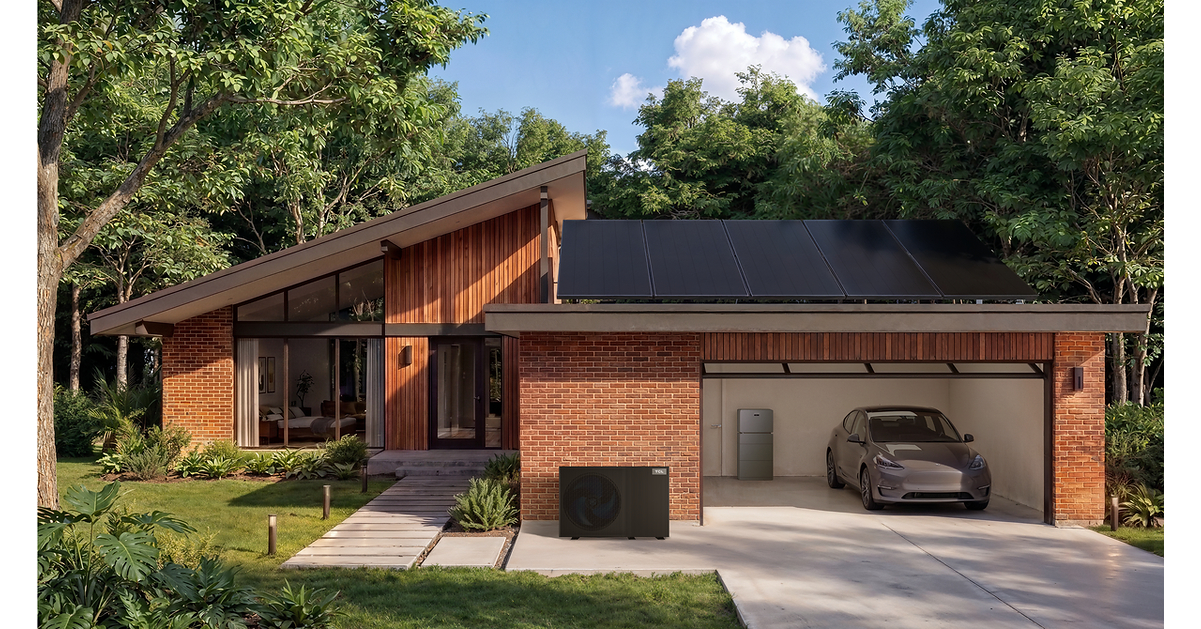
TCL SunPower Global opened European orders for SunPower Origin, its eighth-generation back-contact solar panel, with first deliveries expected before the end of 2026. The residential model offers up to 505 W and 24.7% efficiency; the commercial model delivers up to 615 W and up to 80% bifaciality. Origin carries a 40-year product, output and service warranty, with degradation capped at 0.25% per year; the company reports a 0.005% warranty-return rate across its installed 15 GW fleet.
Analysis
The potential economic value is not simply higher module efficiency: if Origin’s durability and shade performance are independently confirmed, installers could use it to differentiate premium rooftop offers, reduce callbacks, and win sites where roof area or partial shading constrains output. That could support a price premium and shift some value toward the manufacturer—but only if customers pay for lifetime yield rather than choosing on upfront €/W. Orders opening now are not evidence of material near-term revenue; deliveries are expected only late in 2026, leaving a multi-month gap for conversion, production, and channel inventory risk.
The strongest counterpoint is that module economics remain exposed to global oversupply and price competition. Efficiency advantages may save balance-of-system costs, but the benefit is shared with customers and installers unless Origin sustains pricing power. Commercial bifacial gains are especially site-dependent and may disappoint on low-reflectance rooftops. The 40-year warranty could improve bankability, yet also creates long-duration contingent exposure; the financial backing and enforceability of the responsible European entities matter more than the headline term. The reported fleet return rate is company-derived and should not be treated as Origin-specific evidence. Verify independent field data, warranty exclusions, realized pricing, and signed orders before underwriting earnings impact.
Near term, likely limited fundamental price discovery; over 1–3 months, channel uptake and price realization are the key catalysts. Over 6–18 months, successful reliability and premium retention could strengthen brand economics, while commodity price declines or warranty concerns would reverse the thesis. With no company identity or ticker supplied, there is no clean security-level trade to recommend.
AllMind Terminal
AI-powered research, real-time alerts, and portfolio analytics for institutional investors.
Request TrialMarket Sentiment
Overall Sentiment
mildly positive
Sentiment Score
0.35
Key Decisions for Investors
- No immediate directional trade: treat the launch as a product-positioning signal, not yet an earnings catalyst.
- Set an alert for first-delivery timing, actual partner order conversion, and realized €/W versus conventional modules; reassess only if the premium persists without materially weakening volumes.
- Request independent, Origin-specific reliability evidence and review warranty exclusions, the obligor entities, and their credit support before assigning value to the 40-year guarantee.
- For a 1–3 month catalyst check, monitor European rooftop channel commentary and module pricing; thesis is weakened by delayed shipments, discounting, or evidence that shade and bifacial claims do not translate into customer economics.
More News
- What investors need to know about Alphabet's stock-busting earnings report
- Our next steps for Alphabet stock after earnings disappoint at nearly every turn
- Wendy's shares jump 15% as Nelson Peltz's Trian offers $1.4 billion to buy burger chain
- GE Vernova shares slip despite a beat-and-raise. What the sellers are getting wrong
- Microsoft's Big Bets on AI Start to Pay Off
- China’s tech darlings are losing their shine. Here’s what’s behind the sell-off