
Midea SMART MASTER auf der IFA 2026: Von KI-Agenten zur verkörperten Intelligenz
Source: PR Newswire
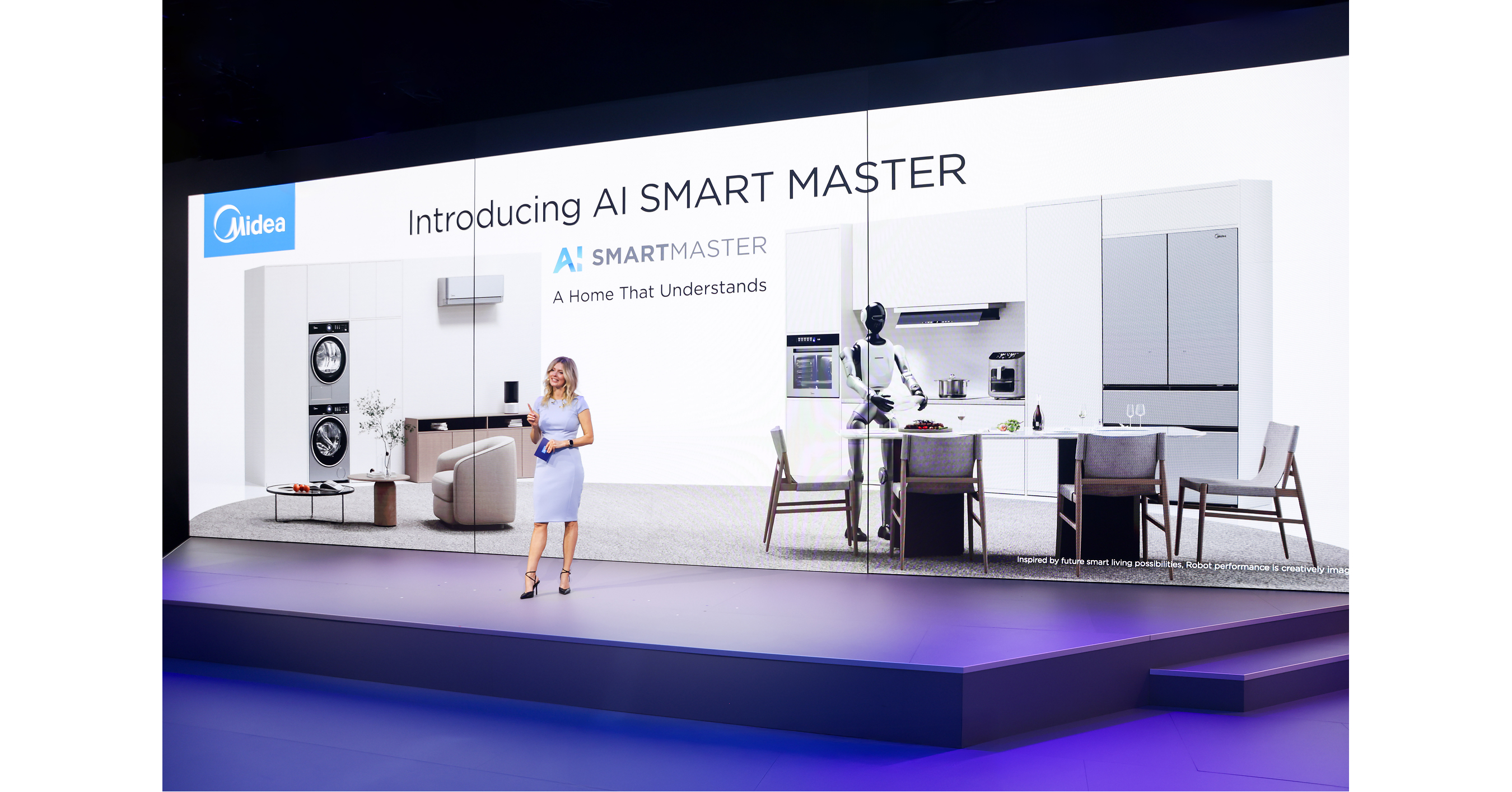
Midea showcased its SMART MASTER AI-powered smart-home ecosystem at IFA 2026, featuring a voice AI agent supporting 140 languages, an 8-meter recognition range and 0.4-second response times. The platform coordinates home climate, cooking, laundry, energy management and device servicing through specialized agents. Midea also demonstrated its EAGLES-based household robot, powered by four multimodal foundation models, signaling expanded investment in embodied AI for domestic automation.
Analysis
This is strategically more relevant to Midea’s ecosystem monetization and service economics than to near-term appliance unit sales. A unified agent layer can raise attachment rates for connected HVAC, kitchen and laundry products while lowering warranty and call-center cost through remote diagnostics; the investable question is whether Midea can convert installed-base data into paid maintenance, energy-management or replacement-cycle revenue rather than merely adding feature cost. The announcement itself provides no evidence on active users, device interoperability, incremental bill of materials, or willingness to pay, so it should not change estimates absent those metrics.
Competitive pressure is most acute for fragmented white-goods peers whose smart-home propositions remain app-based rather than cross-category. Haier Smart Home (6690 HK), LG Electronics (066570 KS), Samsung Electronics (005930 KS), Whirlpool (WHR) and Electrolux (ELUXB SS) may need to increase software, cloud and voice-interface spending, creating a near-term margin headwind before revenue benefits materialize. The more immediate beneficiaries could be connectivity and edge-compute suppliers, but no component architecture or supplier disclosures are available to support a named-semiconductor trade.
The embodied-robotics demonstration should be treated as option value, not a valuation catalyst: household manipulation remains constrained by safety certification, reliability, servicing economics and consumer trust. Over 6-18 months, the useful read-through is whether Midea leverages its KUKA industrial robotics ownership to shorten commercialization cycles; yet consumer robots could also dilute returns if management subsidizes hardware to establish an ecosystem. A credible catalyst would be disclosed pilot volumes, service pricing, retention data and cross-brand compatibility at the next earnings cycle; absent these, the likely market impact is negligible.
Contrarian view: consumer AI appliance announcements are increasingly commoditized, and feature parity may shift bargaining power toward retailers rather than manufacturers. If agent features become standard and remain free, the industry absorbs higher compute/cloud costs with limited ASP uplift—favoring companies with scale, proprietary distribution and superior appliance gross margins, not necessarily the most ambitious AI marketing.
AllMind Terminal
AI-powered research, real-time alerts, and portfolio analytics for institutional investors.
Request TrialMarket Sentiment
Overall Sentiment
moderately positive
Sentiment Score
0.42
Key Decisions for Investors
- No immediate directional trade: impact is too low and Midea-specific operating KPIs are missing. Set an alert for disclosed connected-device penetration, paid-service attach rate, warranty-cost savings and smart-appliance ASP uplift; a sustained improvement in any two would support a 6-18 month positive Midea/Haier relative thesis.
- Monitor a potential relative-value trade: long Haier Smart Home (6690 HK) / short Whirlpool (WHR) over 3-6 months if connected-product mix and service monetization become visible. Haier has broader ecosystem scale, while WHR is more exposed to retailer-led pricing and has less demonstrated platform leverage; invalidate if WHR shows comparable subscription or service-margin traction.
- Do not buy robotics exposure solely on the demonstration. Reassess KUKA/Midea optionality only after commercial household-robot pricing, safety approvals, field reliability and volume commitments are disclosed; commercialization delays or heavy launch subsidies would be negative for return on invested capital.
More News
- Are global oil reserves sufficient to withstand renewed US-Iran war?
- OpenAI Trims Target Value & Volvo Cars Cuts 2,500 Jobs
- PG&E’s CEO says AI is ‘the best thing that could’ve ever happened to the grid’
- The mobile ambitions of SpaceX see telecom stocks get hit again. What the latest developments mean.
- Wake up! The long bond’s up two points!
- US tech stocks tumble as investors fret over AI spending