
Iran, US Trade Tit-for-Tat Tanker Attacks as War Drags On
Source: Bloomberg
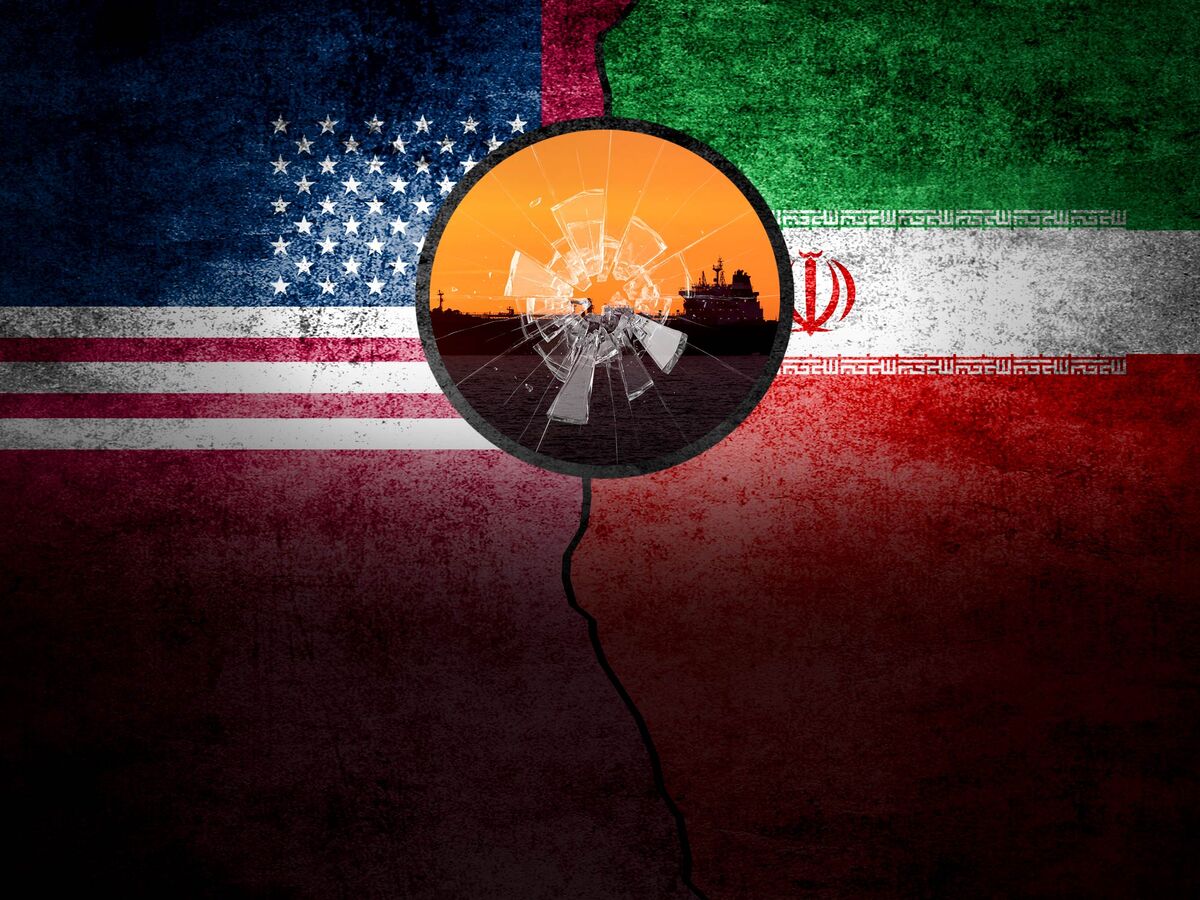
Iran said it targeted three oil tankers in the Strait of Hormuz (plus several US-linked ships) in retaliation for US attacks over the weekend, escalating military action in a key oil chokepoint. The US previously said it struck three Iranian crude tankers after Iran’s IRGC targeted two US warships. Separately, the Pentagon is investigating whether a missed US bomb contributed to a deadly explosion at a wedding in southern Iran, increasing uncertainty around further disruptions to energy flows and related supply chains.
Analysis
The first-order move is a risk premium re-pricing across the entire energy complex, but the bigger second-order effect is on shipping reliability, not just crude prices. A few days of elevated headline risk can lift front-month oil, bunker fuel, and marine insurance, which feeds straight into margins for airlines, chemicals, retailers, and any importer with weak pricing power; that matters more than the direct barrels lost unless there is verified throughput disruption at the chokepoint.
Winners are upstream energy producers and energy-levered ETFs like XLE/XOP, plus U.S. service names with domestic exposure if the market starts pricing a sustained higher floor for Brent. Losers are consumer cyclicals and transport-heavy names, with XLY/XLI the cleaner macro shorts if crude holds up for 2-6 weeks. TGT is not a direct catalyst name here, but as a margin-sensitive retailer it would absorb higher inbound freight and fuel costs if the shock persists into the next replenishment cycle.
The contrarian read is that the market may be overestimating closure risk and underestimating diplomacy: harassment of tankers can keep a risk premium alive without physically removing enough supply to justify a multi-month move. That means the immediate reaction can be sharp, while the better trade is on vol and relative value rather than outright commodity beta. The thesis is falsified if Brent gives back most of the initial spike within 2-3 trading sessions, or if the U.S./regional response quickly restores safe transit and weakens the insurance/freight squeeze.
AllMind Terminal
AI-powered research, real-time alerts, and portfolio analytics for institutional investors.
Request TrialMarket Sentiment
Overall Sentiment
strongly negative
Sentiment Score
-0.55
Key Decisions for Investors
- Buy 1-3 month USO or XLE call spreads on any intraday pullback; trade it as a convex event-risk position with defined downside, not a core long. Falsify if Brent retraces more than half the initial post-event move within 48-72 hours.
- Pair trade: long XLE / short XLY for a 2-6 week horizon to capture fuel-cost pressure on consumers while preserving energy upside. Risk/reward improves if crude stays bid above the market's first fade level for several sessions.
- If equity vol stays cheap, buy XLE upside calls and finance by selling XLI calls; industrials are more exposed to input-cost pass-through lag than energy is to near-term demand destruction. Exit if shipping/insurance indicators normalize quickly.
- Watch TGT and other retail margin names for a delayed negative read-through into the next earnings cycle; no immediate trade unless freight commentary turns up in guidance, which would make the move actionable.
More News
- 3 Stocks to Buy as the AI Trade Sputters
- American embassies tighten security as Iran threat warnings intensify ahead of U.S. midterm elections
- France’s latest debt warning describes a country where governance is breaking down — and even doing too little, too late is barely possible
- Israelis hold final rally against Netanyahu ahead of what may be the most consequential election in the country’s history
- Iran blames US for deal failure, urges new try amid fear of new attacks
- AI funding fears rattle Wall Street. Here's how we're adjusting our portfolio