
CATL stellt eine Batterie mit doppelter elektrischer Reichweitenverlängerung vor, um die Einführung elektrischer Schwerlast-Lkw zu beschleunigen
Source: PR Newswire
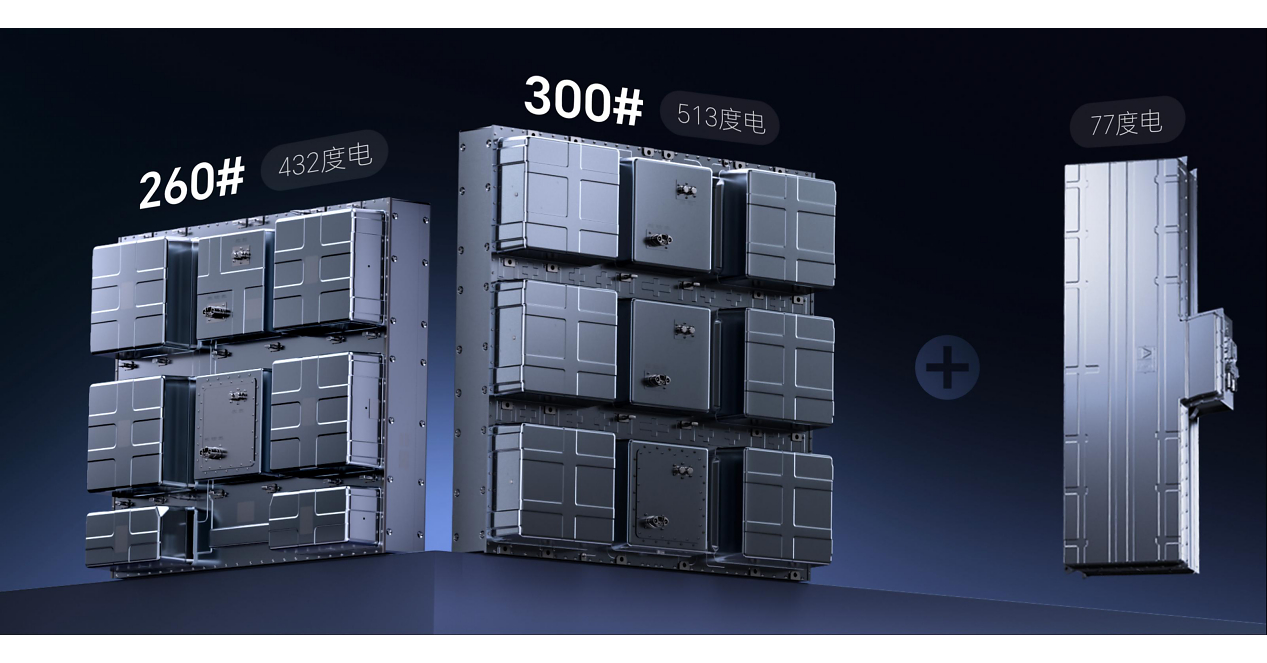
CATL introduced a dual-battery range-extension system for heavy-duty electric trucks, pairing a QIJI-standardized swap battery with a 77-kWh, 3C-capable reserve battery; the company says this can raise main-battery depth of discharge from about 70% to over 95%. QIJI’s new 432-kWh and 513-kWh swap blocks support swaps in as little as five minutes, while its BaaS model can reduce battery rental costs per kWh by up to 20% for customers on base contracts. CATL plans 900 swap stations by end-2026 and 2,000 by 2027, with a longer-term target of 10,000 nationwide; contracts for 13,000 units were signed at the event.
Analysis
The strategic change is less about incremental range than about improving battery-asset utilization: deeper discharge could reduce idle capacity per truck, while seasonal leasing shifts some fixed-cost risk from fleets to the battery lessor. That can improve customer economics but concentrates utilization, residual-value and funding risk in CATL/QIJI and its financing partners. The net-energy billing model also makes regenerative-braking value more visible to fleets; its claimed savings matter only if contract terms, metering and battery rent capture do not reclaim that benefit elsewhere.
The ecosystem could create a corridor flywheel—more compatible trucks support station utilization, which improves route coverage and adoption. The reverse is equally important: underused stations and fragmented truck standards strand capital and weaken resale values. The announced 13,000-unit agreements are not evidence of deliveries or recurring economics; binding order terms, cancellations, deployment cadence and station utilization need verification. A further second-order risk is that battery swapping may shift grid demand rather than eliminate it, making local connection capacity and power pricing potential bottlenecks.
Near term, this is a sentiment catalyst, not yet a demonstrated earnings inflection. Over 1–3 months, watch commissioning against CATL’s near-term station target and whether signed units convert to operating fleets. Over 6–18 months, the decisive variables are station throughput, fleet total cost of ownership and battery resale/redeployment value. The bullish thesis fails if rollout slips, utilization remains weak, or fleet economics require persistent subsidies; the broader electrification case weakens if diesel remains materially cheaper on actual route-level costs.
AllMind Terminal
AI-powered research, real-time alerts, and portfolio analytics for institutional investors.
Request TrialMarket Sentiment
Overall Sentiment
moderately positive
Sentiment Score
0.60
Key Decisions for Investors
- Do not chase the launch headline as an immediate standalone long. Keep CATL on an event-driven watchlist until station commissioning and delivered-truck data validate the commercial claims; no valuation or earnings bridge is supplied to justify a price target.
- Potential conditional trade: add CATL exposure only after evidence of station throughput and repeat deployments, rather than relying on the 13,000-unit signing figure. Reassess if commissioning misses the stated near-term rollout or if fleet orders fail to convert into operating vehicles.
- Monitor the less visible financing trade: battery leasing and station ownership may turn adoption into working-capital and asset-utilization exposure for CATL and ecosystem partners. Seek disclosure on who funds the packs, bears residual-value losses, and carries idle-station costs before treating the model as asset-light.
- Track route-level fleet economics, battery rental terms, utilization and resale values alongside diesel prices and power costs. A deterioration in these measures—or evidence that the claimed savings depend on temporary incentives—would falsify the adoption and earnings thesis.
More News
- The U.S. market has never been more focused on one single bet—but AI’s payoff will likely take decades
- Meta put out an ambitious roadmap to Muse monetization after strong quarter and guide
- CoreWeave’s market confidence erodes as bond yields spike and stock sinks
- One killed, eight injured in attack on Saudi Arabia’s King Fahd airport
- Why is Tesla stock falling after-hours today?
- Meta ordered to pay $25 billion in case related to Cambridge Analytica scandal