
IBM Advances to Stage C of DARPA Quantum Benchmarking Initiative
Source: PR Newswire
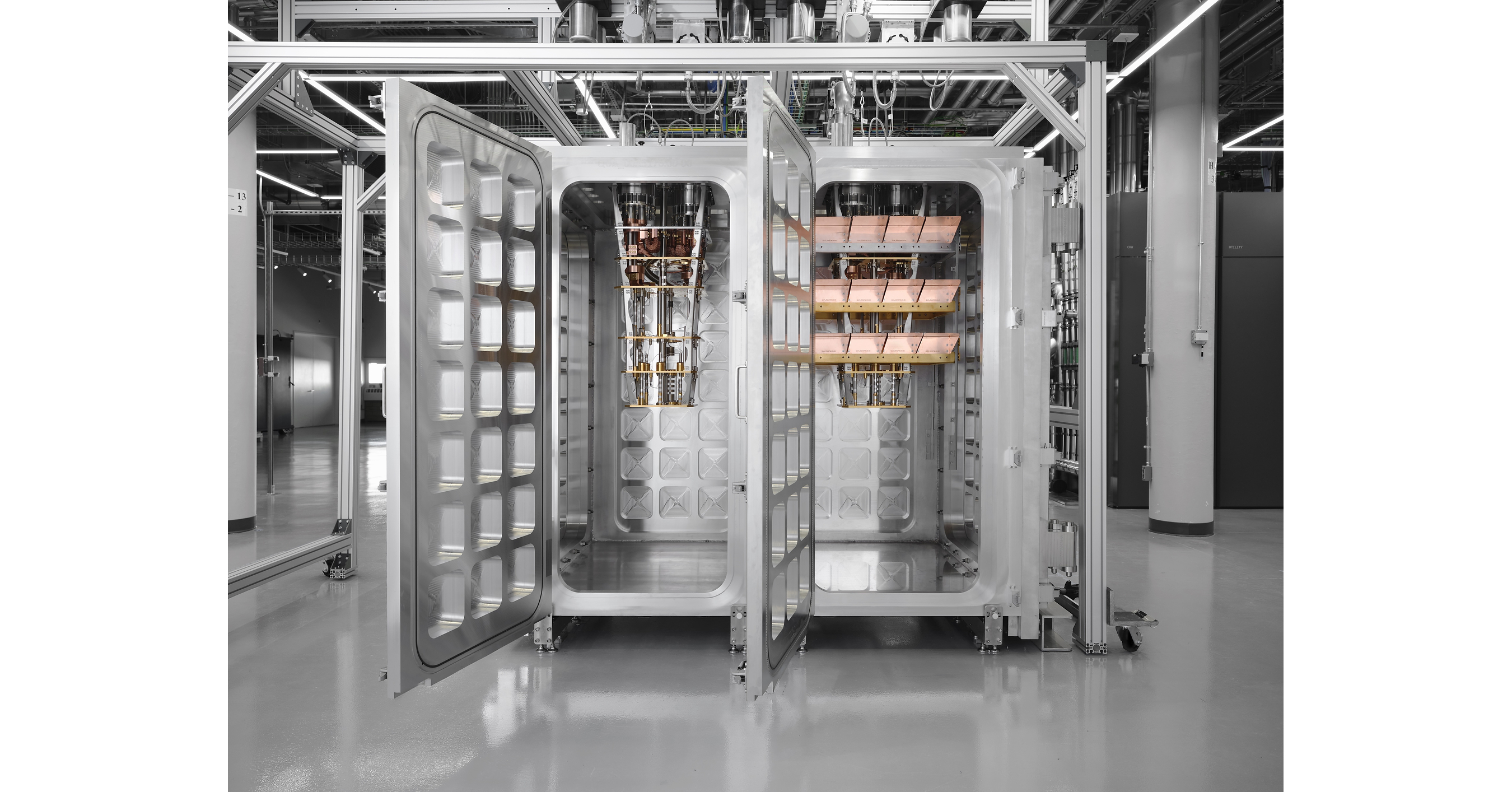
IBM advanced to Stage C, the third phase of DARPA’s Quantum Benchmarking Initiative, where independent experts will test its quantum hardware and systems as part of an assessment of fault-tolerant quantum computing. IBM says it expects to deliver its first fault-tolerant system in 2029; DARPA’s program is assessing whether an industrially useful system can be built by 2033. The milestone supports IBM’s development program but does not establish that the system has met DARPA’s verification requirements.
Analysis
Stage C is a credibility milestone, not evidence of commercial demand or a near-term earnings inflection. Independent hardware testing could reduce perceived technical-execution risk and strengthen IBM’s position in government and enterprise research relationships; it does not establish that quantum workloads will deliver value exceeding their cost. The key economic bottleneck remains scaling error correction and systems integration, not access to quantum-computing demonstrations. IBM’s 2029 target therefore carries meaningful execution risk, while DARPA’s 2033 utility test is the more relevant structural hurdle.
Near term, any share response is likely to be sentiment-led: quantum remains a small, long-duration option relative to IBM’s broader business, so this announcement alone does not justify extrapolating a material change in consolidated earnings. Over 1–3 months, watch for independently verifiable IV&V results and technical detail rather than company descriptions of progress. Over 6–18 months, evidence that error-correction overhead, reliability, and scaling are improving would matter more than another partnership announcement. Alphabet and Microsoft are relevant strategic competitors; specialist quantum companies may also compete for talent, research funding, and customer mindshare, but Stage C does not establish a winner across the field.
Contrarian point: the market may over-credit selection as validation of the promised timeline. Conversely, if independent testing produces measurable progress, investors may underprice the value of IBM’s existing research ecosystem and ability to fund a long development cycle. The thesis weakens if IV&V identifies material hardware shortfalls, IBM delays milestones, or later disclosures fail to show a credible path from fault tolerance to useful workloads.
AllMind Terminal
AI-powered research, real-time alerts, and portfolio analytics for institutional investors.
Request TrialMarket Sentiment
Overall Sentiment
mildly positive
Sentiment Score
0.35
Ticker Sentiment
Key Decisions for Investors
- Do not chase IBM solely on the Stage C announcement; treat it as a modest de-risking signal for a long-dated option, not a near-term earnings catalyst.
- Keep IBM on a catalyst watchlist. Reassess only when DARPA publishes or IBM discloses independently verifiable hardware results, including error-correction performance, scaling requirements, and system-level reliability.
- For a 6–18 month thesis, require evidence that technical progress is translating into a credible path to useful workloads and customer economics; otherwise, avoid assigning material incremental value to the quantum narrative.
- Falsification alert: reduce the thesis if IV&V results reveal a substantial gap to fault tolerance, IBM pushes out its stated 2029 objective, or subsequent technical disclosures do not demonstrate progress toward DARPA’s cost-versus-computational-value standard.
More News
- Nasdaq and S&P Hold Weekly Gains as Small Caps and Dow Slip Midweek
- Elon Musk blames Indian 'oligarchs' for stalling Starlink launch
- Former world No. 1 Jon Rahm's lawyer tells court Spaniard is done with LIV Golf after three seasons
- Anthropic will be 'most ridiculous IPO' of year, analyst says
- Yemeni government forces claim 1,860 Houthis ‘neutralised’
- Levi Strauss hikes profit guidance after tariff refunds, but its sales outlook is less optimistic