
Germany Misses Gas Storage Target as Cold Snap Sets In
Source: Bloomberg
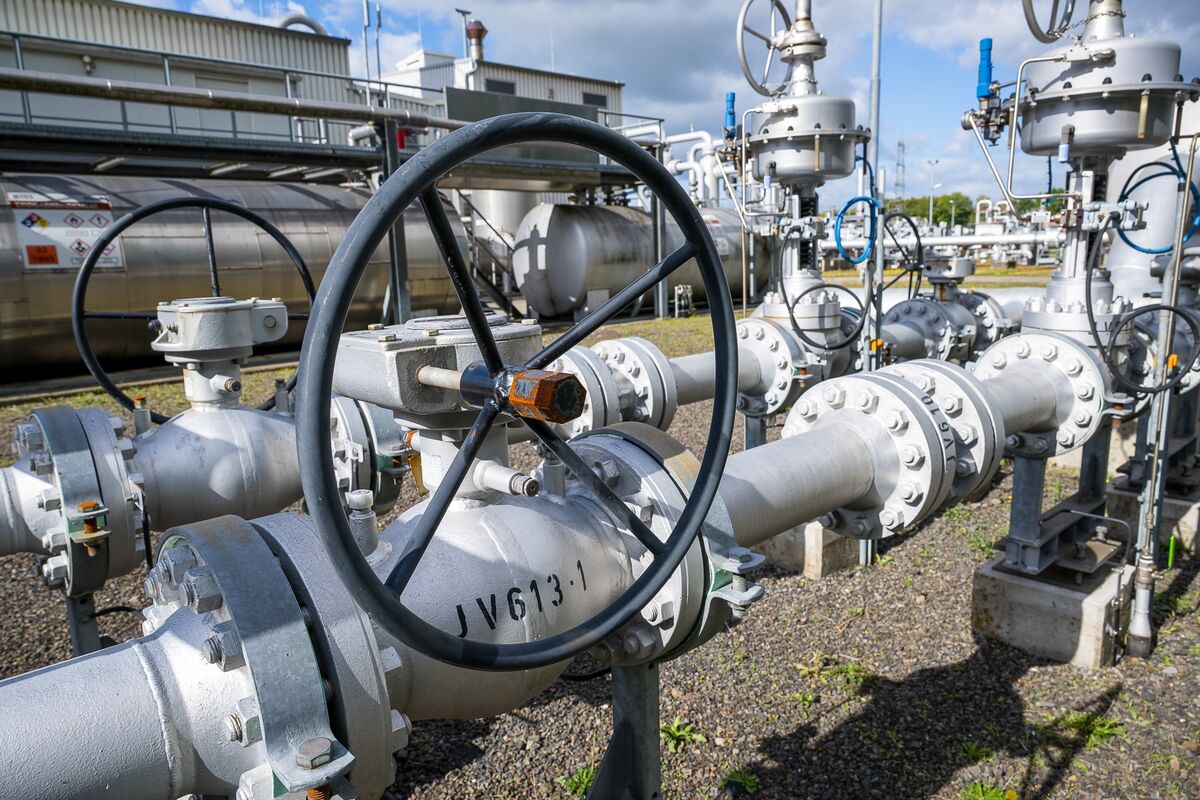
German natural-gas storage was 61.17% full as of Friday, below the roughly 70% target for Nov. 1, leaving a smaller buffer as a cold snap sets in. The shortfall persists despite increased fuel purchases through state-owned SEFE, raising concern about winter supply resilience.
Analysis
The key market risk is not the missed benchmark itself but a tighter prompt balance: cold weather can lift heating and power demand while reducing the margin for absorbing supply outages. That can support near-dated European gas prices and increase competition for flexible LNG cargoes, with knock-on pressure on European power prices and gas-intensive industries. Industrial users with limited hedging or pass-through capacity—such as chemicals, glass and fertilizers—are more exposed than utilities able to reprice power or rely on contracted supply. The effect on any individual company is unquantified here.
The near-term catalyst is weather and daily storage withdrawal; over the next 1–3 months, LNG arrivals, Norwegian pipeline flows, demand response and the pace of withdrawals will determine whether tightness persists. A cold spell could also pull forward LNG demand and make spring replenishment costlier, but that is conditional—not evidence of a structural shortage. A mild forecast revision, strong imports, or demand destruction would quickly unwind a weather premium. The contrarian risk is paying for scarcity after it is already reflected in prompt prices; the storage shortfall alone does not establish an impending supply emergency.
AllMind Terminal
AI-powered research, real-time alerts, and portfolio analytics for institutional investors.
Request TrialMarket Sentiment
Overall Sentiment
mildly negative
Sentiment Score
-0.35
Key Decisions for Investors
- Watch the TTF prompt curve rather than take a directional position from the storage figure alone. If colder forecasts coincide with accelerating withdrawals and a strengthening prompt premium versus deferred contracts, consider a small long prompt-versus-deferred TTF calendar spread; exit if forecasts moderate or the spread fails to respond.
- Treat European gas-intensive industrials as relative underperformers only if gas costs rise and companies signal limited hedging or pass-through. Verify company-specific hedge disclosures and guidance before expressing the view; the article does not establish which issuers are exposed.
- Track LNG arrivals, Norwegian flows, daily storage withdrawals and weather revisions as the key 1–3 month falsification checks. Strong inflows, slowing withdrawals or a material warming forecast would argue against the scarcity trade.
- No structural European energy trade is warranted on this signal alone. Reassess if the shortfall persists through winter and is followed by evidence that spring refill demand is competing with Asian LNG demand.
More News
- Iranian negotiators in Qatar to continue talks to end the U.S.-Iran war: Reuters
- IMO Chief Says Strait of Hormuz Remains Unsafe
- Iran and US explore diplomacy amid rising threats of war
- Mediators continue US-Iran negotiations amid war rhetoric: What we know
- Iran offers 48-hour Hormuz reopening plan as Trump signals progress in talks
- Cameco Q3 2026 slides highlight nuclear growth amid earnings miss