
Real Estate Expert Joy Pratt Breaks Down Investing in Palm Coast vs. Daytona Beach in HelloNation
Source: PR Newswire
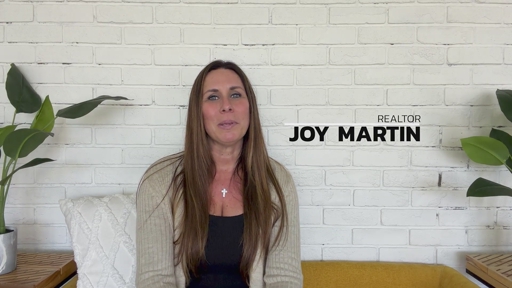
A HelloNation comparison highlights Daytona Beach for tourism-driven short-term rental demand and potentially faster, but more volatile, appreciation, while Palm Coast is positioned for steadier long-term tenancies and gradual appreciation. Daytona coastal properties can face higher wind and salt-air insurance and maintenance costs, while HOA restrictions may limit short-term rental income; Palm Coast may offer lower coastal exposure but community rental rules vary. The article is general real-estate guidance rather than market-moving data or a transaction announcement.
Analysis
This is promotional local-market commentary rather than independently verifiable transaction, inventory, rent, or insurance-loss data, so it does not change a public-markets underwriting case. The relevant mechanism is broader: escalating coastal insurance, maintenance, and HOA constraints can convert apparently high gross short-term-rental yields into volatile net yields, reducing buyer affordability and ultimately pressuring coastal condo valuations before headline home-price indices reflect it.
For the next 1-3 months, there is no actionable read-through for national housing equities. Monitor Florida Citizens Insurance depopulation activity, private-market renewal quotes, condo reserve assessments, and county-level active listings/days-on-market; a renewed insurance-cost step-up would matter most for leveraged coastal owners and lenders with concentrated Florida residential exposure.
Over 6-18 months, the second-order beneficiary of migration toward lower-maintenance inland/suburban housing is likely land and entry-level-home supply rather than tourism-linked condo inventory. D.R. Horton (DHI), Lennar (LEN), and regional builder exposure through SPDR S&P Homebuilders ETF (XHB) could benefit only if population growth translates into absorptions without a corresponding rise in mortgage rates or homeowners-insurance costs. The contrarian point is that lower insurance relative to beachfront assets does not make inland Florida immune: statewide reinsurance pricing, hurricane losses, and HOA reserve requirements can reprice both markets simultaneously.
AllMind Terminal
AI-powered research, real-time alerts, and portfolio analytics for institutional investors.
Request TrialMarket Sentiment
Overall Sentiment
neutral
Sentiment Score
0.08
Key Decisions for Investors
- No immediate trade: treat this as a watch item, not a catalyst, given the absence of independently sourced rent, occupancy, pricing, or insurance data.
- Set a Florida housing-risk alert for a material increase in Citizens/private insurer renewal premiums or post-storm loss estimates; if confirmed alongside rising coastal listings, reassess a defensive pair of long XHB versus short iShares U.S. Real Estate ETF (IYR) over 3-6 months.
- For existing DHI/LEN exposure, require quarterly Florida order growth and cancellation rates to remain resilient; reduce exposure if mortgage-rate increases or insurance-driven payment shock produces sequential order deterioration and weaker gross-margin guidance.
- Avoid using short-term-rental or coastal-condo narratives to establish positions in publicly traded lodging or housing names without county-level occupancy, ADR, HOA restriction, and insurance-renewal evidence.
More News
- Facebook found liable as TikTok settles for $100m over user safety
- Bond market alarms are ringing on Wall Street. Here's what's ahead
- What would a US diesel export ban mean for global fuel prices?
- Shares of Akamai surge after deal with Anthropic. What Wall Street is saying
- ‘U.S. trade policy is damaging the U.S. auto industry’: Canada’s purchase of American cars hits new low as Trump’s tariffs backfire on U.S. automakers
- Yields keep rising, Novo's tough week, why cat product sales are surging and more in Morning Squawk