
Air Premia strengthens U.S. presence with spacious seating and expanded long-haul service
Source: PR Newswire
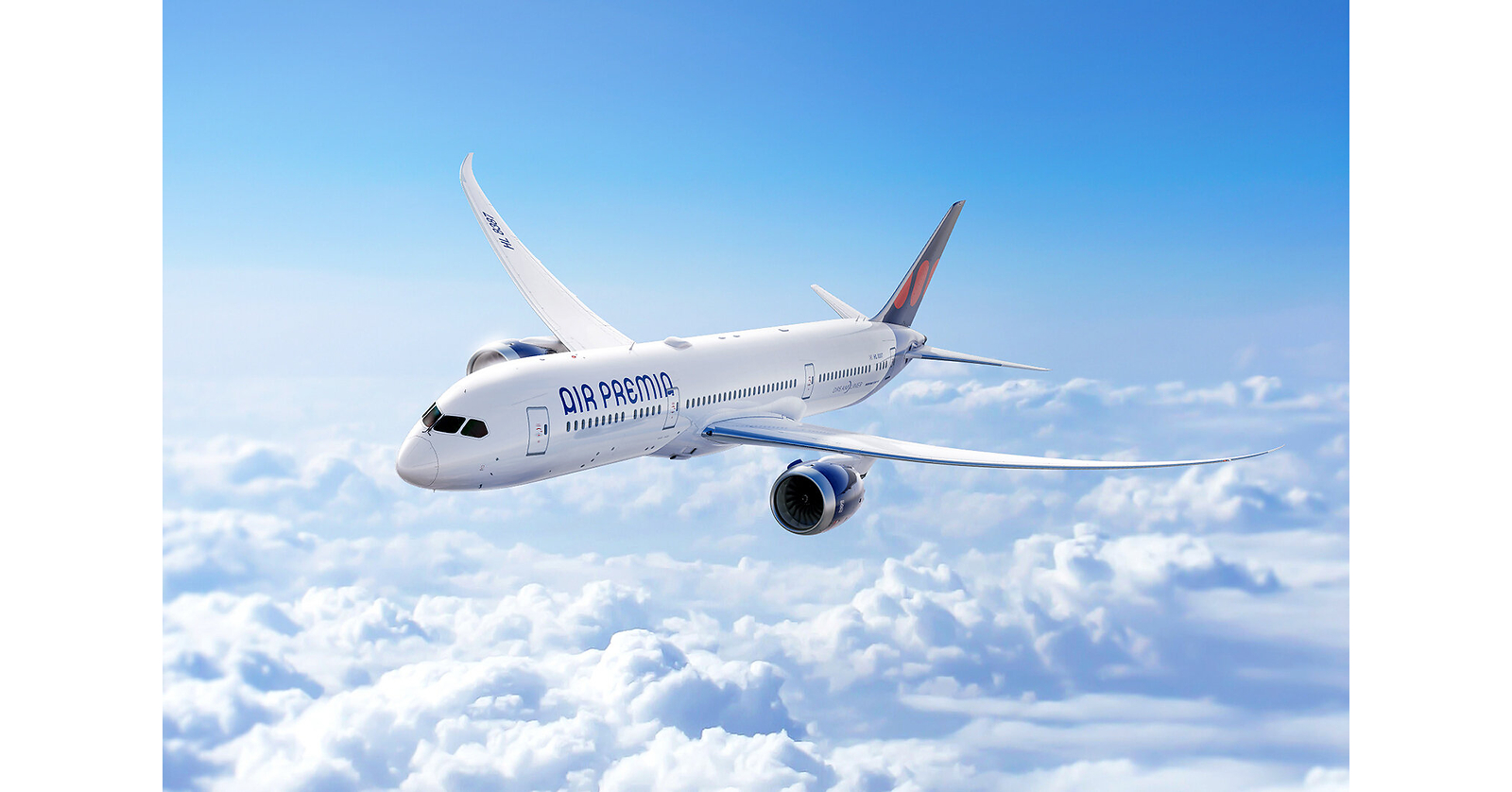
Air Premia retrofitted Boeing 787-9 HL8703 to increase Economy seat pitch from 31 to 33 inches, reducing the aircraft’s capacity by 18 seats, from 344 to 326. Eight of its nine 787-9s now offer at least 33 inches of Economy seat pitch, and the remaining aircraft is planned for reconfiguration in the first half of 2027. The airline serves five U.S. destinations and plans to launch services to Ho Chi Minh City, Sapporo, and Ningbo in December 2026.
Analysis
The relevant economic test is whether the cabin change earns enough incremental yield or loyalty to offset the lost seats—not whether customers prefer more space. An 18-seat reduction lowers capacity per affected departure by about 5%; absent higher fares, ancillary revenue, or consistently stronger load factors, it raises the revenue hurdle per remaining seat and can weaken unit economics. The effect is limited until the remaining aircraft are converted, and the release provides no fare, booking, load-factor, or route-level data to establish that the trade-off is paying off.
Over the next 1–3 months, the added Asian destinations could improve Incheon connection options and feed transpacific flights, but new routes also add startup and utilization risk. Net benefit depends on schedules, connection times, demand, and whether aircraft can be deployed without compromising core U.S. rotations. Korean Air and U.S. carriers competing on transpacific itineraries may face a modest product-positioning challenge; a meaningful share shift is not evidenced here. Over 6–18 months, the key signal is realized revenue per available seat mile versus unit cost as the cabin retrofit completes—not the seat-pitch claim itself.
This is low-impact promotional news, not a standalone public-equity catalyst. The contrarian risk is that a comfort-led differentiation story masks a deliberate capacity sacrifice in a price-sensitive market. Reassess if Air Premia discloses sustained fare premiums or stronger load factors; the thesis weakens if yields fail to compensate for reduced seats, route launches are delayed, or service frequency is cut.
AllMind Terminal
AI-powered research, real-time alerts, and portfolio analytics for institutional investors.
Request TrialMarket Sentiment
Overall Sentiment
mildly positive
Sentiment Score
0.25
Key Decisions for Investors
- No immediate trade: the article supplies no listed-company exposure, financial results, or evidence of material competitive share shifts.
- Track Air Premia's realized fares, load factors, and revenue per available seat mile against capacity and operating-cost trends as the remaining aircraft are reconfigured; treat management positioning as a claim until validated.
- Monitor the December route launches for schedule reliability, connection quality through Incheon, and signs that new Asian services feed U.S. routes rather than merely add low-utilization flying.
- For airline exposure, avoid reacting to this release alone; revisit Korean Air or U.S. transpacific competitors only if booking, pricing, or capacity data show a sustained share or yield effect.
More News
- Tech stocks are suffering their biggest selloff since Covid, as investors see premature end to AI datacenter boom
- Elon Musk's Tesla and SpaceX lose over $420 billion in combined market cap after midterms
- Iran says tankers struck in Hormuz amid fears of new US attack
- The Iran war has cost U.S. households nearly $2,000 each. New strikes could keep the bill climbing
- Qualcomm slides 9% after earnings, leading post-election chip stock sell-off
- Costco is taking aim at its May record high — how it got here and where's it going